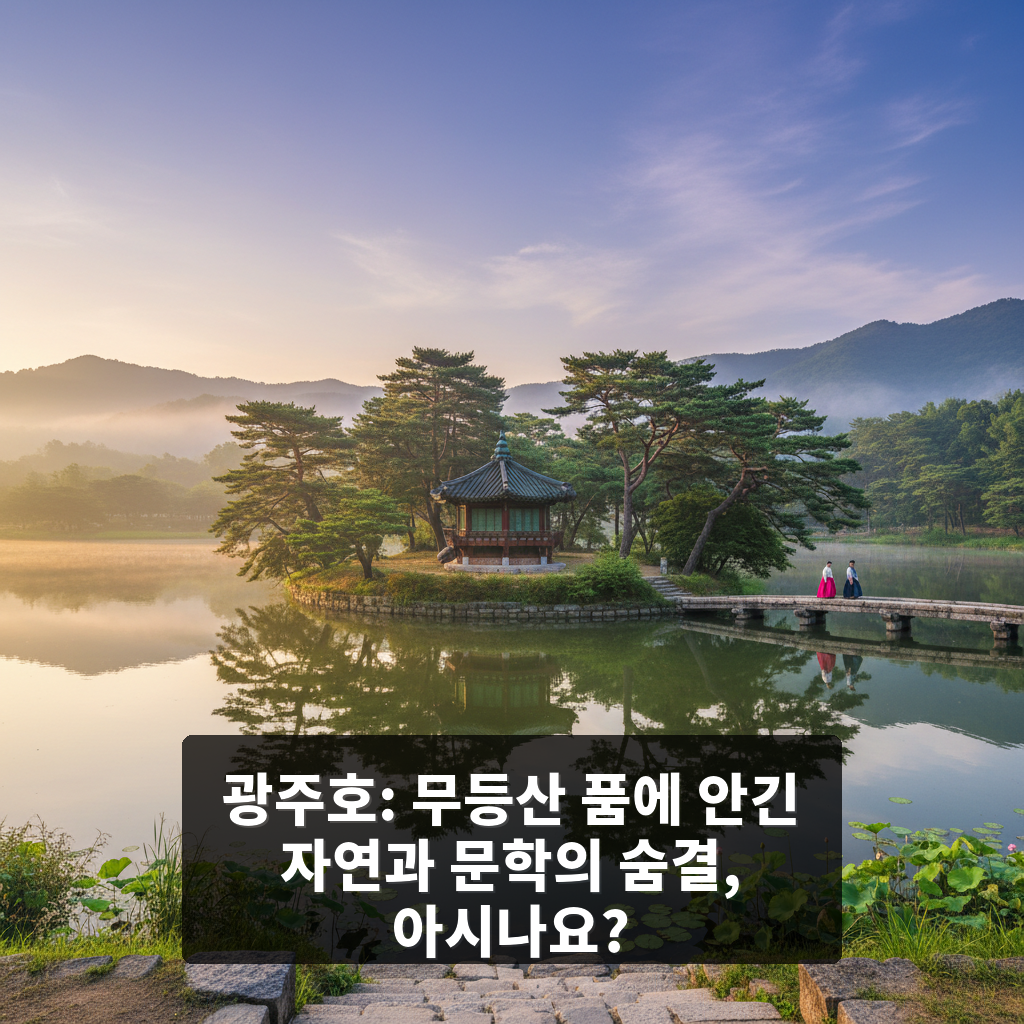
Gwangjuho: Do you know the spirit of nature and literature embraced in Mudeungsan’s bosom?


When you want to pause amidst the noise and complexity of the city, are you looking for nature that will gently soothe your mind? Perhaps Gwangjuho will offer peace and beauty beyond what you imagined. Although it was created in 1976 to supply agricultural water, it has now become a beloved lakeside resort for Gwangju citizens as well as visitors from all over the country.
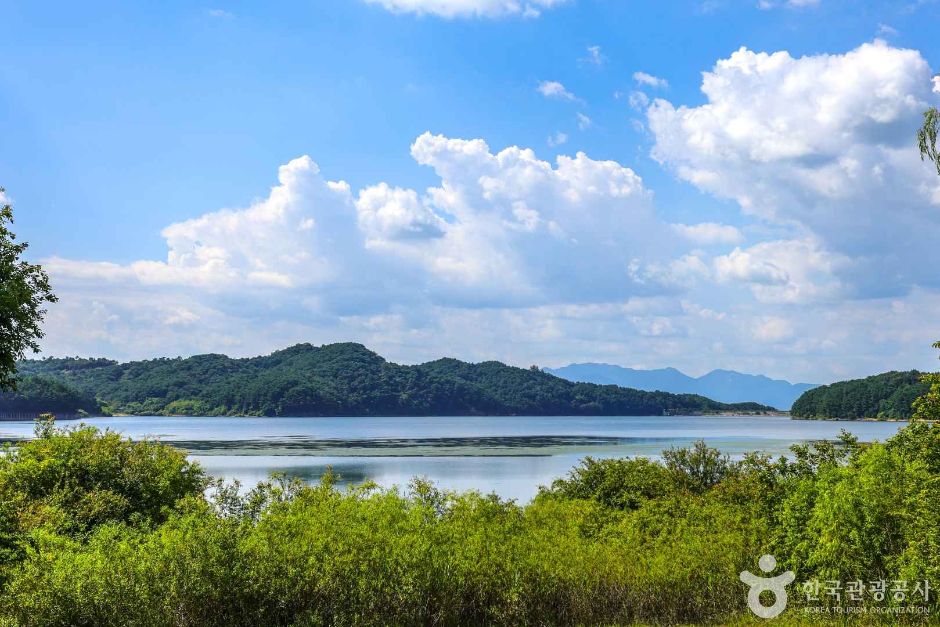
Nestled peacefully at the foot of Mudeungsan, this place captivates with its diverse scenery throughout all four seasons. From the verdant mountain ridges reflected on the calm surface of the water, the dance of migratory birds, to the whispers of the forest carried by the wind. Gwangjuho is more than just a lake; it is a masterpiece painted by nature.
Today, are you ready to set aside your tired daily routine in this special place and enjoy true relaxation? Let’s embark together into the charm of Gwangjuho, where you can recharge in the embrace of nature.
Mudeungsan Reflected in the Water, The Four Seasons of Gwangjuho
Gwangjuho, nestled in the bountiful embrace of Mudeungsan, perfectly harmonizes with the surrounding beautiful natural scenery, showcasing its true value as a lakeside resort. In spring, cherry blossoms encircle the lake, displaying their magnificent beauty; in summer, lush greenery provides cool shade; and in autumn, vibrant autumn leaves inspire awe. In winter, a snowy landscape unfolds over the quietly frozen surface, offering yet another charm.
This place, in particular, is rich in fish species and has long been popular as a fishing spot, attracting many vacationers. Just by spending leisure time watching fishing rods cast over the calm lake, the stress of the city will melt away like snow. The walking paths created along the lakeside change their attire with each season, offering unforgettable memories to visitors.
Moments Not to Miss at Gwangjuho
- Dawn Mist In the early morning, the mist rising above the lake creates a dreamlike landscape and offers tranquil peace.
- Sunset Spot At dusk, the spectacular view of the crimson sunset reflecting on the lake’s surface evokes admiration.
- Winter for Migratory Birds In winter, various migratory birds visit Gwangjuho, presenting the wonder of nature.
Following the Footsteps of Joseon Literati, A Treasure Trove of Gasa Literature
The area around Chungheodong in the upper reaches of Gwangjuho is a precious place where you can glimpse the essence of Joseon Dynasty garden culture, beyond mere natural scenery. Here, you’ll find pavilions that excite just by their names, including Sigyeongjeong, a Gasa literature historical site of Songgang Jeong Cheol, along with Hwanbyeokdang, Soswaewon, Chwiga-jeong, and Doksujeong. This was a place where literati of the time enjoyed refined leisure in nature, soothed their worries, and engaged in creative activities; it feels as if their breath still lives here.
Literary Pavilion Pilgrimage, Recommended Course
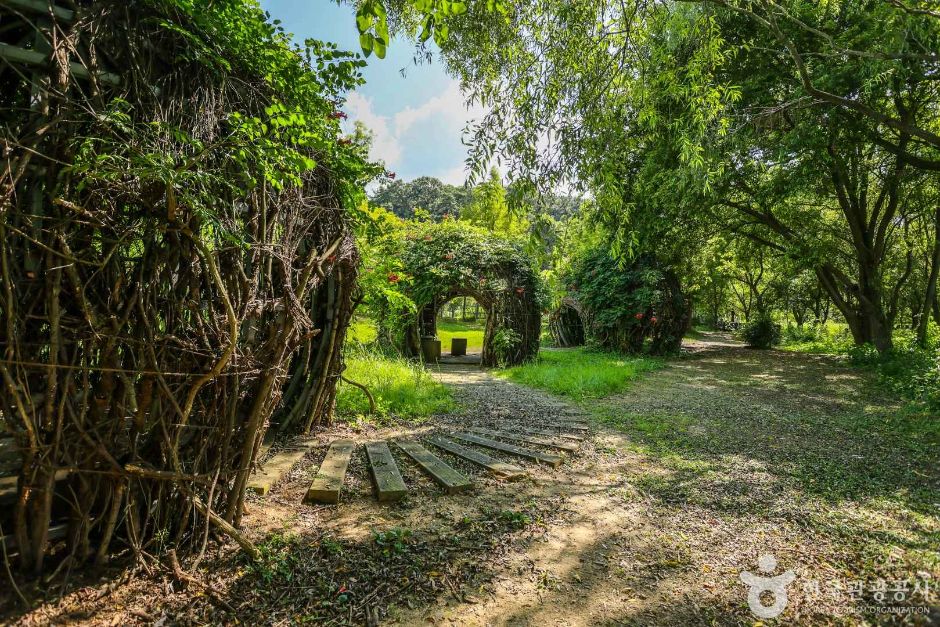
- Sigyeongjeong A pavilion where Songgang Jeong Cheol composed Seongsanbyeolgok, it offers splendid surrounding scenery to enjoy.
- Hwanbyeokdang A pavilion built by Kim Yun-je to nurture future scholars, it’s close to Soswaewon and good to visit together.
- Soswaewon A representative private garden of Korea, it is a beautiful space where the harmony of nature and artificial elements stands out.
- Chwiga-jeong As the starting point of the Chungheodong Gasa literature area, its outstanding surrounding landscape continuously draws visitors.
- Doksujeong A place with a different charm from other pavilions, it is ideal for contemplation in a serene atmosphere.
Visiting these pavilions and experiencing the refined leisure and spiritual world of Joseon Dynasty scholars will be another joy of your Gwangjuho trip. By directly encountering the stories imbued in each pavilion and the natural scenery they observed, you can have a special experience, almost like traveling through time.
A Venue for Ecological Education, Gwangjuho Lake Eco Park
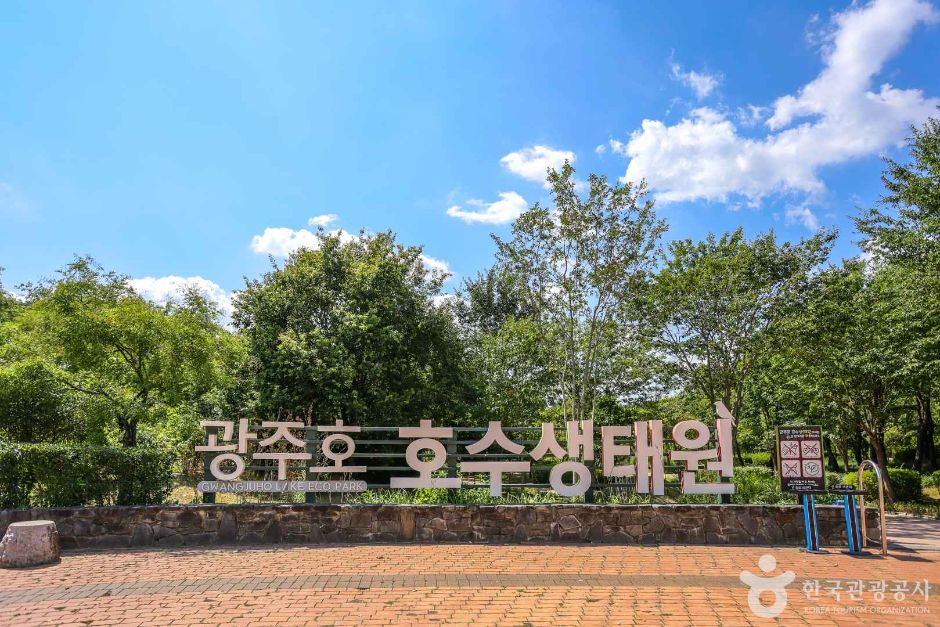
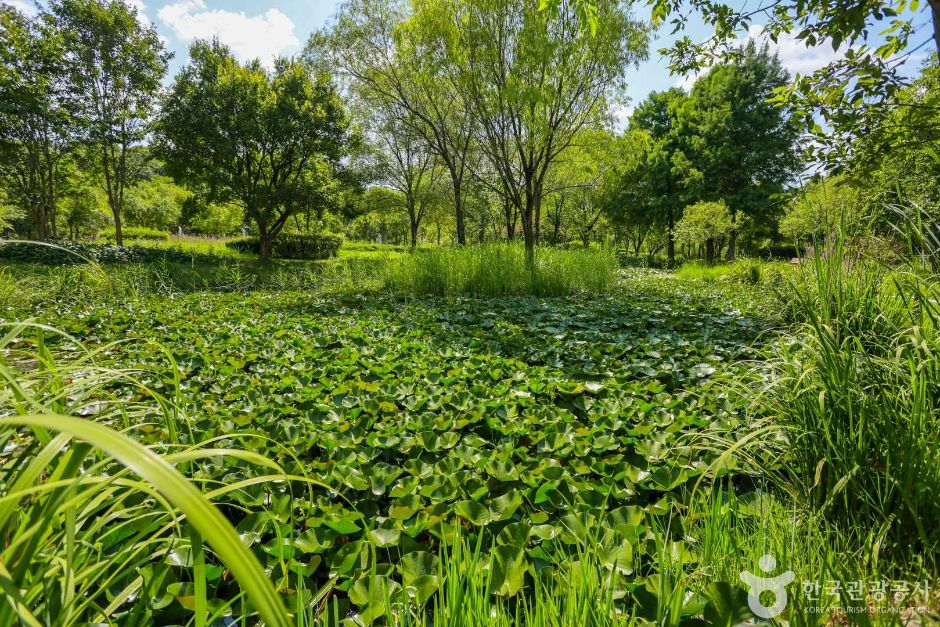
To the south of Gwangjuho, Gwangjuho Lake Eco Park, which opened in 2006, is greatly loved by citizens as a place for nature and ecological learning and relaxation. Beyond simply exhibiting plants, this place effectively serves as an educational venue for preserving the natural environment around the lake and raising awareness about the value of ecosystems. It is an optimal place to observe various wetland plants, birds, and insects, and to interact with nature.
Nature Encountered at the Lake Eco Park
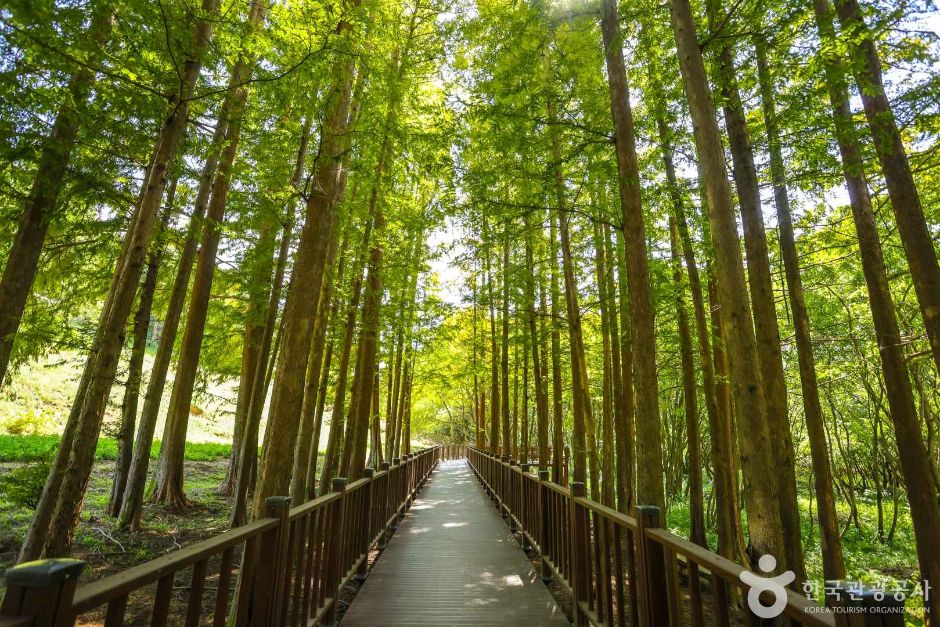
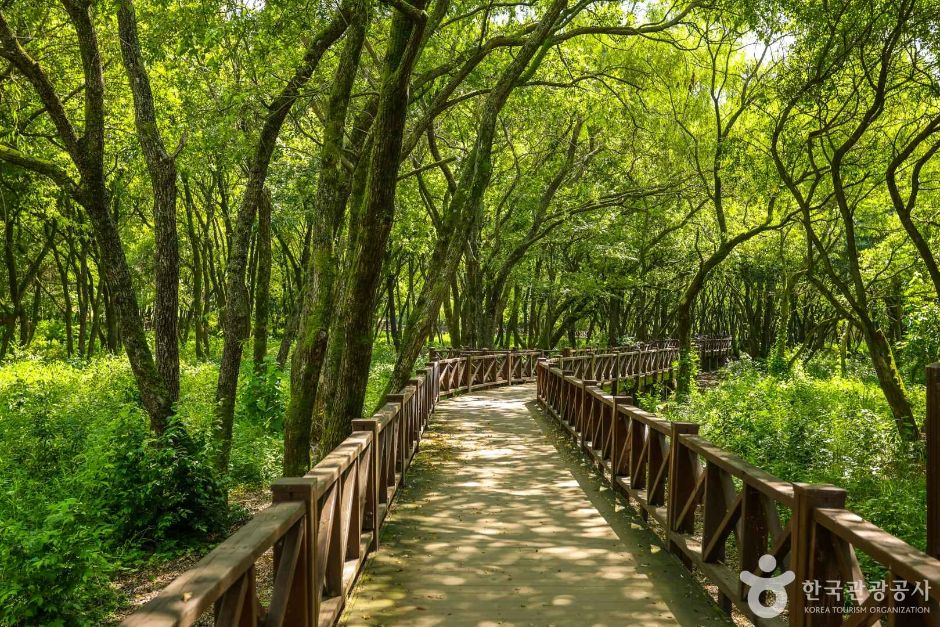
- Exploration Path Walking along the deck path built along the lake, you can observe aquatic plants and waterfowl up close.
- Wetland Observation Garden You can directly experience the mystery of the ecosystem in a place where various wetland plants grow.
- Ecological Learning Center Diverse ecological education programs for children are operated, making it excellent for nature learning.
It is particularly popular among family visitors, and there could be no better place to learn about the preciousness of nature and spend leisurely time with children. The flowers that bloom and fade with each season and the changing appearance of the eco park always offer new impressions, no matter when you visit.
A Journey to Gwangjuho, Directions
The journey to Gwangjuho, where Mudeungsan’s hidden wonders, history, and ecology harmonize, is easier than you might think. Located on the border between Gwangju Metropolitan City and Damyang County, it offers good accessibility. When using public transportation, you can take a bus departing from Gwangju city center, and when driving, you can easily arrive by entering the address into your navigation system.
| Category | Details |
|---|---|
| Address | Chungheodong area, Buk-gu, Gwangju Metropolitan City |
| Public Transportation | Take a bus from Gwangju city center towards Chungheodong (requires walking from the bus stop) |
| Car | Use the Gwangju-Damyang Expressway, exit towards Chungheodong, parking available (free or paid parking) |
| Nearby Attractions | Soswaewon, Sigyeongjeong, Hwanbyeokdang, Mudeungsan National Park, Damyang Juknokwon, etc. |
You can find your way by referring to the address above. Upon arrival, you’ll find a map where you can take in the beautiful scenery of Gwangjuho at a glance, and ample parking space is provided around Gwangjuho Eco Park, so there is no inconvenience for car users. The bicycle paths around the lake are also well-maintained, making it excellent for enjoying bike riding.
Gwangjuho Trip, Checklist for a Fruitful Time
If you want to make your time at Gwangjuho even more special, refer to the following tips. A little preparation will make your trip even richer.
- Best Time to Visit You can encounter more beautiful scenery if you visit in the early morning when mist rises or at dusk when the sun sets.
- Comfortable Shoes It is advisable to wear comfortable shoes when walking on the lakeside paths or exploring the Eco Park.
- Seasonal Essentials Prepare a light jacket in spring/autumn, a hat and sunglasses in summer, and warm winter gear in winter.
- Camera Essential The beautiful scenery of Gwangjuho is perfect for capturing in photos.
- Exploring Nearby Restaurants There are many diverse restaurants around Gwangjuho, so it’s a good idea to look them up beforehand.
Gwangjuho, where nature and history coexist, is a place that offers new impressions and relaxation whenever you visit. Take a break from your busy daily life and immerse yourself in the embrace of nature to truly enjoy tranquility. The memories made here will become beautiful stories that will remain in your heart for a long time.
Frequently Asked Questions
Q1. What was Gwangjuho created for?
Gwangjuho is an artificial lake completed in 1976, created to be used as agricultural water for Gwangju Metropolitan City and Damyang County. Currently, in addition to water supply, it is also gaining popularity as a lakeside resort thanks to its excellent natural scenery.
Q2. What cultural heritage sites are around Gwangjuho?
In the Chungheodong area in the upper reaches of Gwangjuho, there are several pavilions that showcase the essence of Joseon Dynasty garden culture, including Sigyeongjeong, a Gasa literature historical site of Songgang Jeong Cheol, along with Hwanbyeokdang, Soswaewon, Chwiga-jeong, and Doksujeong. It is very suitable for a literary pilgrimage.
Q3. What kind of place is Gwangjuho Lake Eco Park?
Gwangjuho Lake Eco Park, located to the south of Gwangjuho, opened in 2006 and is utilized as a natural ecological learning and relaxation space for citizens. It is a venue for ecological education where you can observe various aquatic plants and birds and learn about the preciousness of nature.
Q4. Can I fish at Gwangjuho?
Yes, Gwangjuho is rich in fish species and has long been famous as a fishing spot. Many people visit here to enjoy fishing and spend leisurely time. However, it is advisable to check local regulations and exercise caution for safety when enjoying fishing.
Q5. Are there other attractions worth visiting around Gwangjuho?
Around Gwangjuho, in addition to Gasa literature historical sites like Soswaewon and Sigyeongjeong, Mudeungsan National Park is nearby, and it’s good to plan your trip in conjunction with major Damyang tourist attractions such as Damyang Juknokwon and Metasequoia-gil. Visit them together to make your trip even richer.