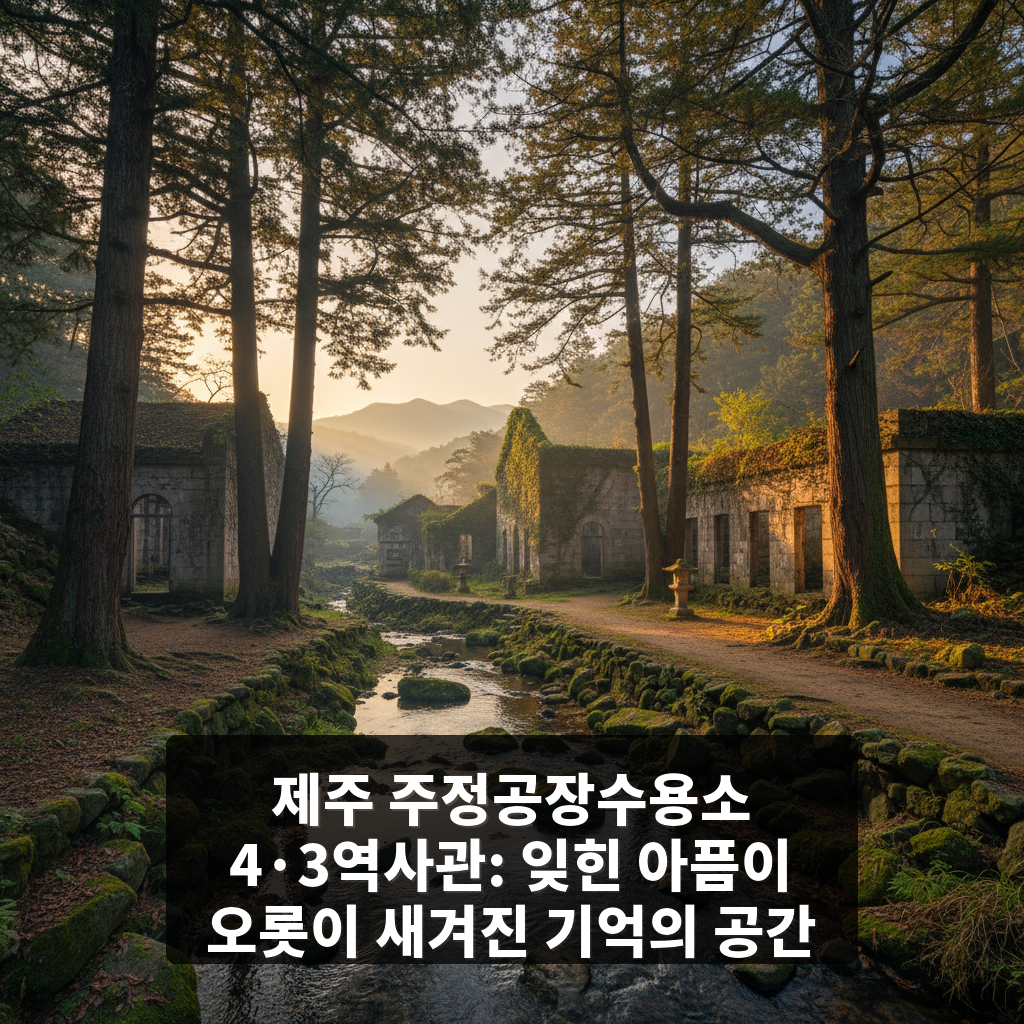
Jeju Grain Alcohol Factory Internment Camp 4.3 History Hall: A space of remembrance where forgotten pain is clearly etched.


Somewhere in history, there are spaces holding deep wounds that we may not have known about. Like traces of time blackened by soot, the Distillery Factory Detention Center 4·3 History Museum, located in Aewol, Jeju, quietly narrates the painful memories imbued with the sacrifice and suffering of countless people. Beyond a simple exhibition, this place makes us confront a page of history that we must never forget.
During the Japanese colonial period, this was a prosperous industrial facility, but after liberation, it transformed into a tragic detention center. What was once a factory producing alcohol from sweet potatoes became a tragic site where innocent lives were taken amidst the turmoil of the 4·3 Uprising. How should we truly understand and remember the weight of this massive history hidden beneath Jeju’s peaceful scenery?
The Distillery Factory Detention Center 4·3 History Museum will be the starting point of a journey to find answers to that question. It is a time to follow the poignant stories held within the cold brick buildings and simultaneously feel Jeju’s painful past and its present of reconciliation.
The Boundary Between Life and Death, The Cruel Transformation of the Distillery Factory
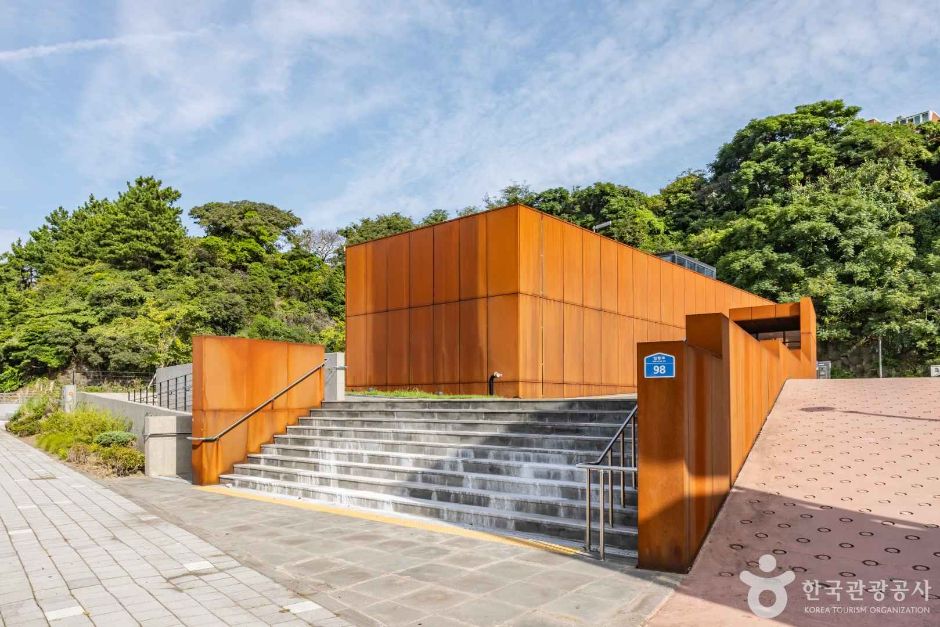

On the northwest coast of Jeju, there was a large distillery factory formerly operated by the Oriental Development Company. It was a strategically important industrial facility during the Japanese colonial period, with a port directly in front, allowing the produced alcohol to be immediately shipped by vessel. During the Pacific War Period, alcohol was produced from sweet potatoes harvested across Jeju, and this alcohol was used as fuel for the Japanese military, holding a painful history.
Japanese Colonial Period and 4·3, The Shadow of Transcendent Tragedy
The joy of liberation was short-lived; the Jeju 4·3 Incident, which erupted in 1948, turned this distillery factory into another site of tragedy. The factory’s spacious warehouses were used as civilian detention centers, where countless Jeju residents were confined, suffered, and never returned, remaining missing. Distillery Factory Detention Center 4·3 History Museum is a space established to honor the victims who suffered through such turbulent times and to remember their stories.
- Japanese Colonial Period Operation of Oriental Development Company Distillery Factory, Production of Japanese Military Fuel
- Post-Liberation 4·3 Period Distillery Factory warehouses repurposed as civilian detention centers
- Present Reborn as a history museum commemorating victims and reflecting on history
Beyond the Walls of Silence, Stories Told by the Space


The moment you enter the Distillery Factory Detention Center 4·3 History Museum, the weight of history is fully conveyed through the silence cast by the cold concrete walls and old buildings. The exhibition spaces, created while preserving the traces of that time, go beyond simply displaying artifacts, offering a glimpse into the efforts to vividly convey the suffering and pain of the people of that era.
Exhibition Route Following the Fragments of Memory
- Traces of the Past You can directly see the original form of the distillery factory and the spaces that were used as detention centers.
- Voices of the Victims You can encounter the stories of the victims through records, photographs, and testimonies from that time.
- Space for Remembrance A quiet and solemn space is provided to remember and commemorate the painful history.
A Mind That Faces History Squarely and Promises the Future


From the expressions of the people in the exhibited photos and every single character in the old documents, one can feel the hardship and despair that Jeju residents endured at that time. The museum also holds significant educational value in conveying these memories to present and future generations, ensuring that such tragedies are never repeated. Distillery Factory Detention Center 4·3 History Museum is a space for reflection that prompts us to reconsider the true values of peace and human rights.
Traces of Peace Found in Northwestern Jeju
The Distillery Factory Detention Center 4·3 History Museum is located in Aewol-li, Aewol-eup, Jeju-si. It is about 30 minutes from Jeju International Airport along the western coastal road, offering good accessibility and a great opportunity to explore along with Jeju’s beautiful northwestern coastal scenery.
Places to Visit Together Around the History Museum
After visiting the history museum, you can explore other nearby attractions and reflect on the meaning of peace amidst Jeju’s beauty.
- Aewol Handam Coastal Walk It is a great place for contemplation while walking along the beautiful coastal scenery of western Jeju.
- Saebyeol Oreum You can experience the charm of Jeju’s parasitic cones and enjoy the expansive views.
- Hangpaduri Hangmong Historical Site It is the final battlefield of the Sambyeolcho who resisted the Mongol invasion, holding another historical significance.
Steps to Never Forget, A Guide for Visitors
Here are a few tips for a meaningful visit to the history museum. Distillery Factory Detention Center 4·3 History Museum is a space dedicated to healing past pains and aspiring for future peace, so it is advisable to view it with a reverent heart.
How to Understand the History Museum More Deeply
- Check Information in Advance Finding basic information about the 4·3 Incident before your visit can enhance your understanding during the tour.
- Allocate Ample Time Rather than rushing through, take enough time to reflect and feel at each exhibit.
- Quiet Visiting Manner As it is a space to commemorate victims, maintaining a quiet and respectful demeanor is important.
- Comfortable Attire We recommend comfortable shoes and clothing for moving around both inside and outside the history museum.
| Category | Details |
|---|---|
| Operating Hours | Check separate notice (seasonal and holiday changes possible) |
| Admission Fee | Free |
| Recommended Visiting Time | Approx. 1 hour ~ 1 hour 30 minutes recommended |
| Parking | Free parking available |
Frequently Asked Questions
Q1. What kind of place is the Distillery Factory Detention Center 4·3 History Museum?
It is a place with a tragic history, serving as a distillery factory for the Oriental Development Company during the Japanese colonial period, but later used as a civilian detention center during the Jeju 4·3 Incident after liberation. It is a history museum established to honor the 4·3 victims and remember their suffering.
Q2. What should I be aware of when visiting?
As it is a solemn space commemorating victims, it is advisable to maintain a quiet atmosphere and contemplate the meaning contained in each exhibit with a reverent heart. Efforts to accurately understand the historical facts are important.
Q3. What tourist attractions are worth visiting nearby?
Near the history museum, there are the beautiful Aewol Handam Coastal Walk, Saebyeol Oreum from which you can view Jeju’s scenery, and the Hangpaduri Hangmong Historical Site, imbued with the resistance of the Sambyeolcho, making them good places to visit in conjunction.
Q4. What is the admission fee for the Distillery Factory Detention Center 4·3 History Museum?
The history museum is a space of remembrance open to the public, and admission is free. All visitors can freely enter to learn history and commemorate the victims.
Q5. What is the estimated duration of a visit to the history museum?
To fully explore the exhibition content of the history museum and deeply feel the pain of that time, we recommend allocating approximately 1 hour to 1 hour 30 minutes.