Smile of a thousand years, the breath of Baekje whispered by the Seosan Yonghyeon-ri Rock-carved Buddha Triad


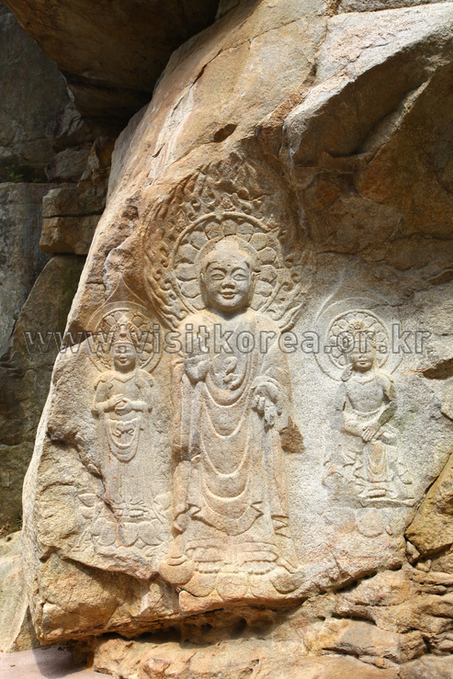
Have you ever heard that the smile carved in stone changes from moment to moment? There is a mysterious Buddha statue whose expression changes, either gently or solemnly, with the movement of the sunlight. This is the **Seosan Yonghyeon-ri Maae Yeorae Samjon Sang**, which fully embodies the generous spirit of Baekje.
This rock-carved Buddha goes beyond being a mere cultural heritage; it possesses a vitality that seems to speak to us across a thousand years. Shall we explore that wondrous moment together, where the brilliant artistic spirit and deep faith of the Baekje people breathe within the rock?
The Thousand-Year Smile Bloomed on the Rock, and its Artistic Value
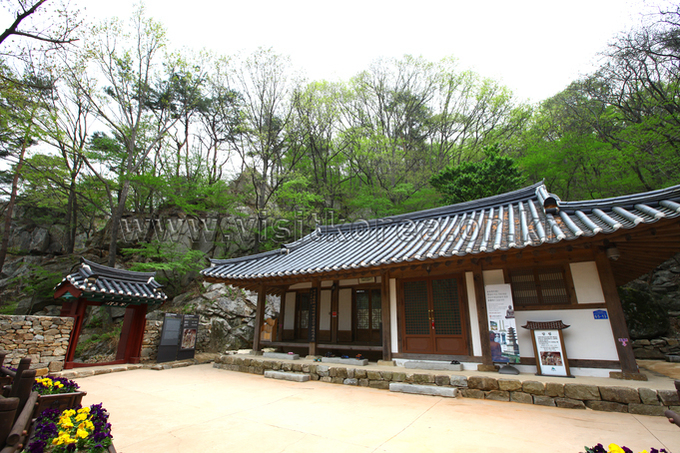
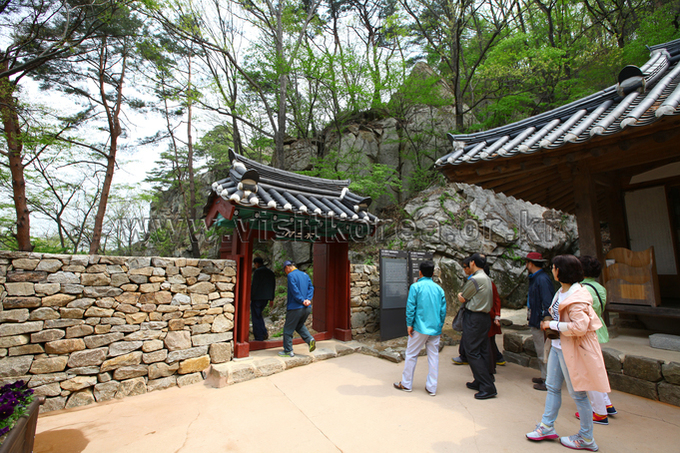
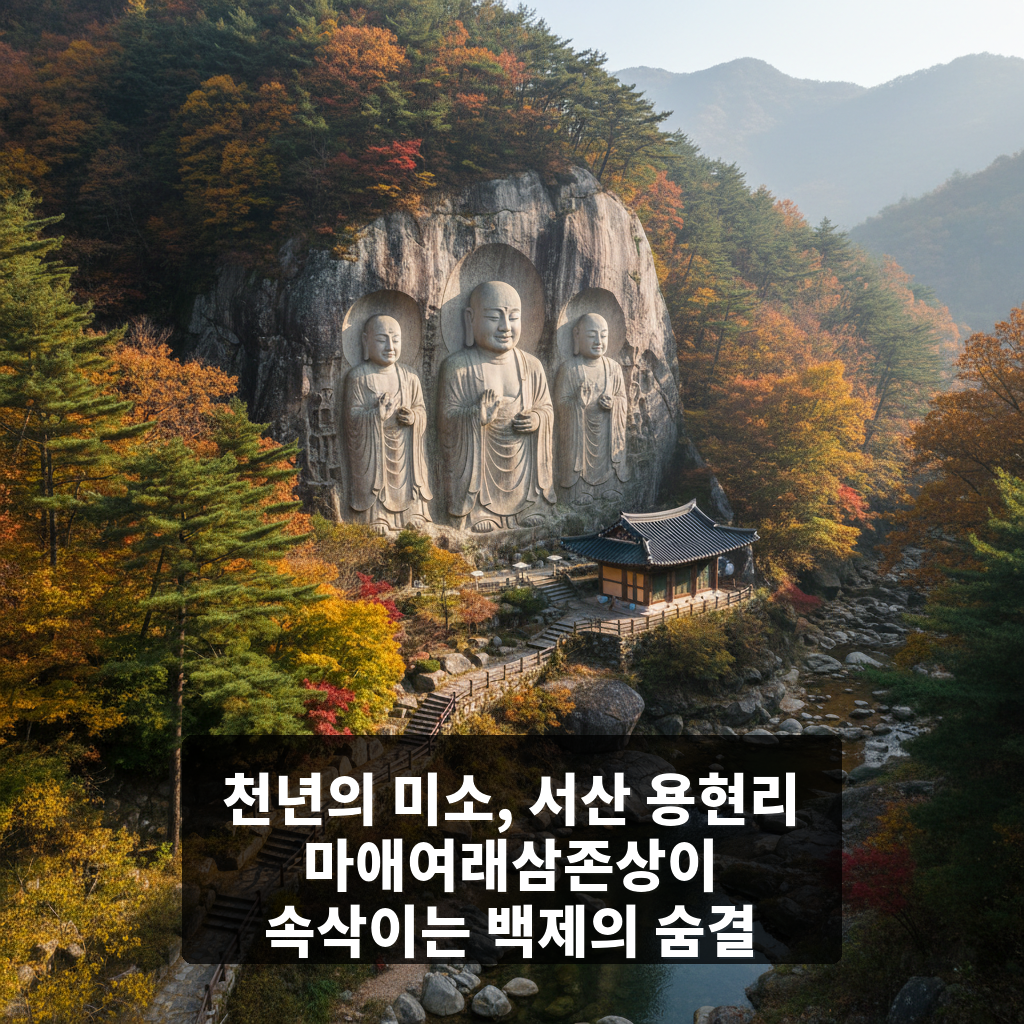
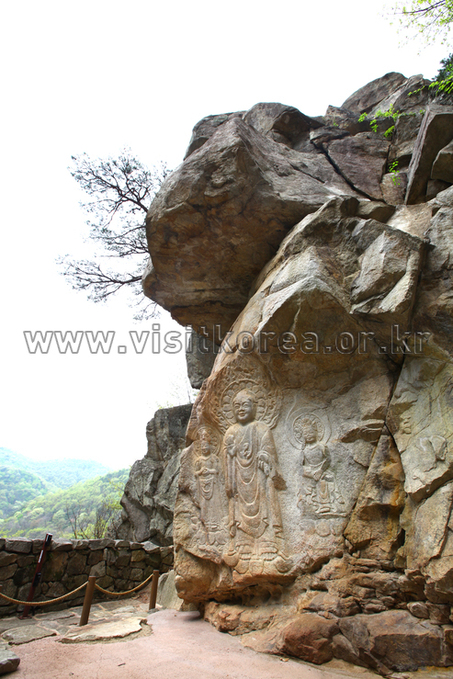
Also known as the Seosan Maae Samjonbul (Seosan Rock-Carved Three Buddhas), the **Seosan Yonghyeon-ri Maae Yeorae Samjon Sang** is a masterpiece created in the late Baekje period, around the 7th century. The Buddha statues carved into the rock showcase the essence of Baekje art at the time, offering deep emotion to viewers.
Composition and Hidden Meaning of the Three Buddha Statues
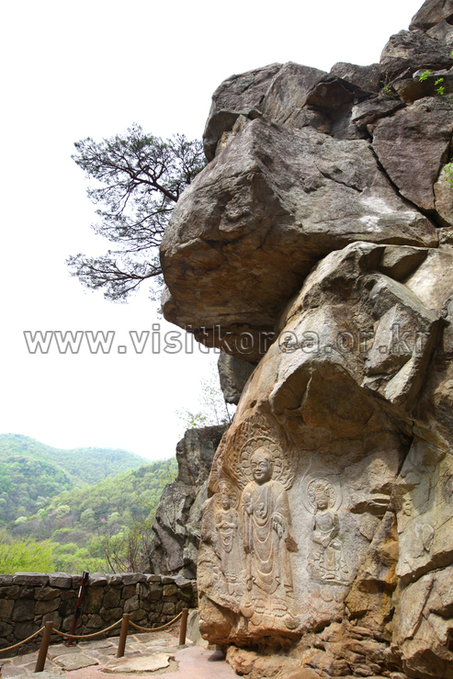
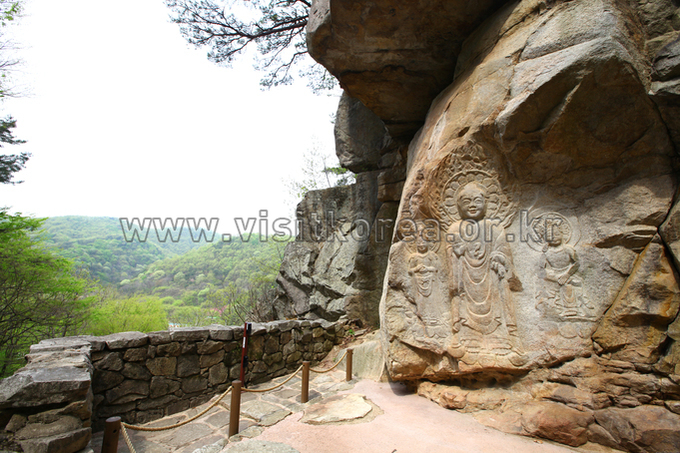
- **Main Buddha Sakyamuni Standing Statue** is located in the center, and its elaborate aureole with lotus and flame patterns is especially vividly preserved.
- **Maitreya Pensive Bodhisattva** sits cross-legged to the right of the main Buddha, displaying a peaceful yet contemplative appearance.
- **Dipankara Bodhisattva Standing Statue** stands to the left of the main Buddha, bearing a warm and gentle smile.
These three Buddha statues are especially famous for their expressions appearing different depending on the angle of the sunlight. Their appearance, changing from gentle in the early morning to more solemn in the afternoon, offers visitors a mysterious experience.
A Story that Bloomed from the Center of Baekje’s Maritime Trade
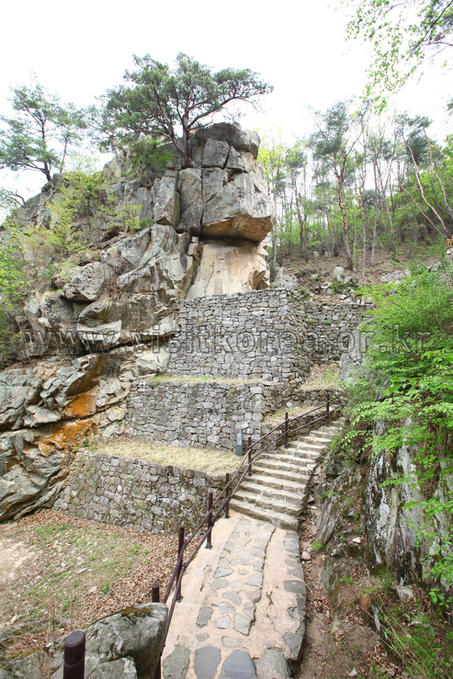
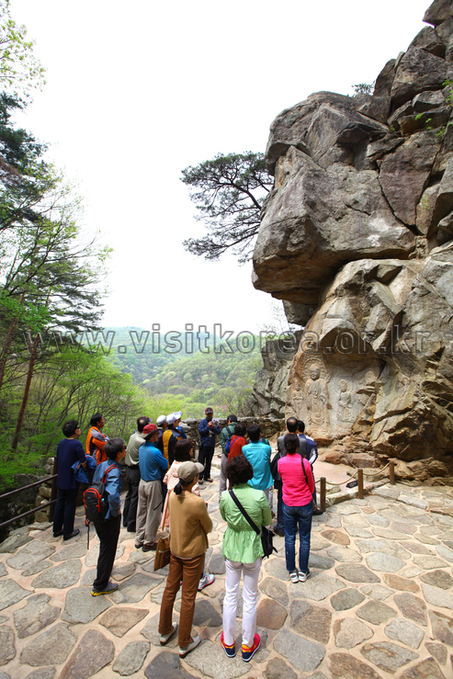
There is a special historical background to why these rock-carved three Buddha statues were carved in Seosan. In the late Baekje period, the Seosan area was an important port city where maritime trade with China flourished, connecting it to the then-capitals Ungjin (Gongju) and Private expense(Buyeo).
Following the Traces of History
Thanks to this geographical importance, Baekje culture and Buddhist thought actively flowed in, and the **Seosan Yonghyeon-ri Maae Yeorae Samjon Sang** was also born within this historical current. It was known only to local residents for a long time until its existence was revealed to the world in 1959, and in 1962, it was recognized for its historical and artistic value and designated as a National Treasure.
| Historical Background | Main Content |
|---|---|
| Seosan in the Late Baekje Period | Key maritime trade hub connecting Ungjin and Sabi with China |
| Period of Creation | Estimated around 7th century, reflecting active influx of Buddhist culture |
| Discovery and Designation | Revealed to the world in 1959, designated as a National Treasure in 1962 |
A Guide to the Thousand-Year Smile for Visitors
Where and How to Get There?
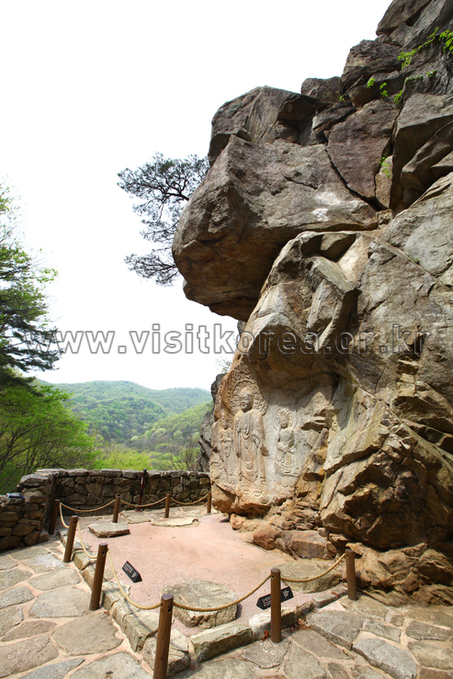
The **Seosan Yonghyeon-ri Maae Yeorae Samjon Sang** is located within Yonghyeon Valley in Unsan-myeon, Seosan-si. As you follow the winding mountain path, you can encounter the smile of Baekje, fully immersed in nature.
Attractions to Enjoy Nearby
- **Yonghyeon Valley** is a clear valley flowing around the Three Rock-Carved Buddhas, with pleasant walking paths.
- The **Seosan Aramegil Cheonnyeon Misogil** (Seosan Aramegil Thousand-Year Smile Trail) has the **Seosan Yonghyeon-ri Maae Yeorae Samjon Sang** as its main stop, so enjoy trekking in beautiful nature and feel the breath of Baekje.
- **Yonghyeon Natural Recreation Forest** is located nearby, offering a great retreat where you can stay overnight in nature and enjoy leisure.
Must-Know Viewing Tips
- **Visiting Hours** To catch the moment when the smile of the Three Rock-Carved Buddhas changes most beautifully, it is recommended to check the sun’s position and visit accordingly. It is generally known that the subtle changes in expression are best observed around 10-11 AM and 2-3 PM.
- **Comfortable Shoes** The path to the rock-carved Buddha may be somewhat steep or uneven, so wearing comfortable shoes suitable for trekking is recommended.
- **Nature Preservation** Please actively participate in protecting Baekje’s precious cultural heritage and the beautiful surrounding natural environment.
Frequently Asked Questions
Q1. Why is the Seosan Yonghyeon-ri Maae Yeorae Samjon Sang called the “Smile of Baekje”?
The Buddha statues of the Three Rock-Carved Buddhas appear to bear a gentle and warm smile depending on the direction and angle of the sunlight, leading to the nickname “Smile of Baekje,” symbolizing the generous and benevolent spirit of the Baekje people. This expression showcases the essence of Baekje art.
Q2. Is it true that the expression of the rock-carved Buddha changes?
Yes, that is true. As the sun rises and sets, the angle at which the sunlight illuminates the Buddha statues carved into the rock changes, altering the shadows cast on the Buddha’s face, creating a mysterious phenomenon as if the expression is changing. It appears gentle in the early morning and more solemn in the afternoon.
Q3. What Buddha statues make up the Three Rock-Carved Buddhas?
In the center is the main Buddha, the Sakyamuni Standing Statue, to its right is the contemplative Maitreya Pensive Bodhisattva, and to its left is the Dipankara Bodhisattva Standing Statue with a warm expression. The three Buddha statues are in harmony, clearly showing the characteristics of Baekje Buddhist art.
Q4. Is there a specific best time to visit?
To observe the subtle changes in the rock-carved Buddha’s expression, it is advisable to consider the time when the sun shines on it. It is generally said that visiting around 10-11 AM and 2-3 PM allows the sunlight to illuminate the Buddha statues, making the various expressions more clearly visible.
Q5. Are there any nearby places worth visiting?
Yes, you can enjoy trekking along the Seosan Aramegil Cheonnyeon Misogil (Seosan Aramegil Thousand-Year Smile Trail), which is a main stop, as well as Yonghyeon Valley, where the Three Rock-Carved Buddhas are located. Additionally, Yonghyeon Natural Recreation Forest is nearby, offering a comfortable place to relax in nature.