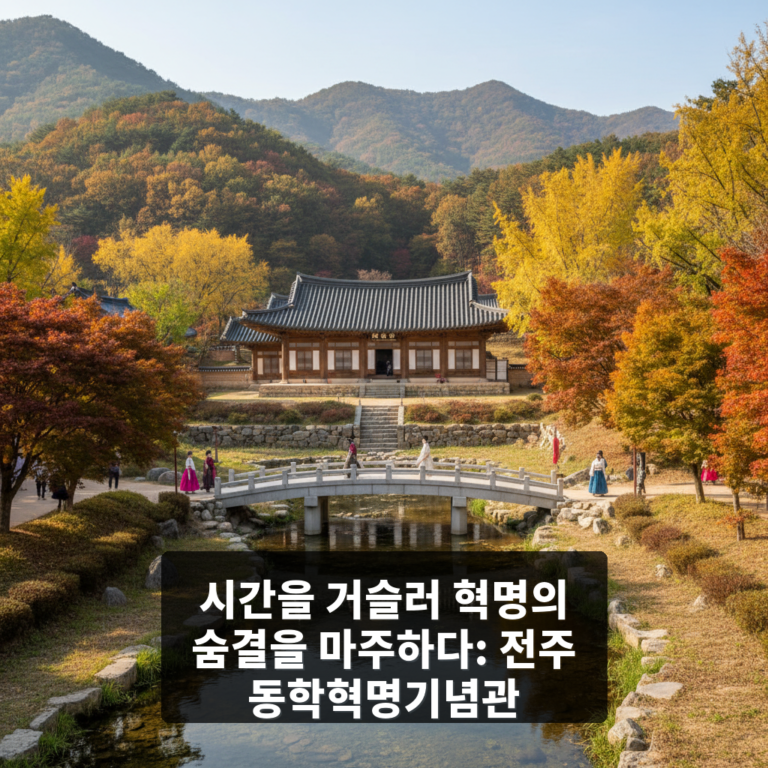

Breath of 600 Years of History, Goesan Cheongan Anminheon: Architecture Walking Through Time


Have you ever imagined the scene of a government office during the Joseon Dynasty, where all administration of a region took place and the joys and sorrows of the people came and went? There is a historical space that has silently preserved its place for over 600 years, despite undergoing numerous changes. It is Goesan Cheongan Anminheon, located in Goesan, Chungcheongbuk-do.
First built in the 5th year of King Taejong’s reign (1405) and serving as the heart of Cheongan-hyeon, this place is not just a simple building. From the breath of Joseon and the pain of the Japanese colonial period to modern restoration efforts, Goesan Cheongan Anminheon is a living witness to history, remembering the tumultuous Korean history with its entire being. Shall we explore the hidden stories within this tranquil architecture together?
Architectural beauty imbued with the traces of time: The exterior of Anminheon
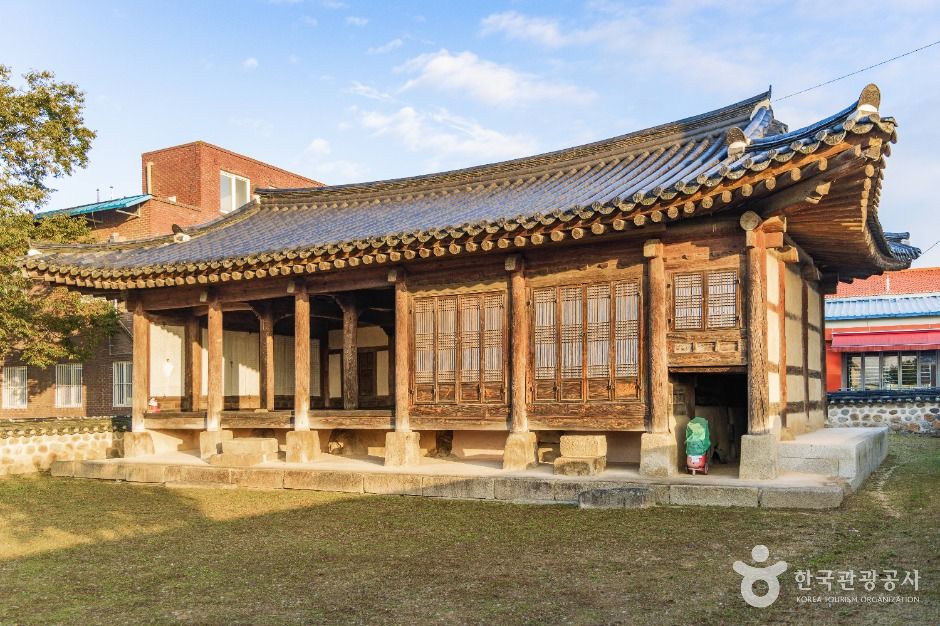
Goesan Cheongan Anminheon boasts an antique appearance even from afar. Its balanced scale of six bays in the front and three bays on the side demonstrates the dignity of a local government office of that time, while also possessing a restrained beauty that harmonizes with the surrounding nature. One can particularly feel the depth of time in the wood and stone that have endured for centuries.
Characteristics of Anminheon’s architectural style
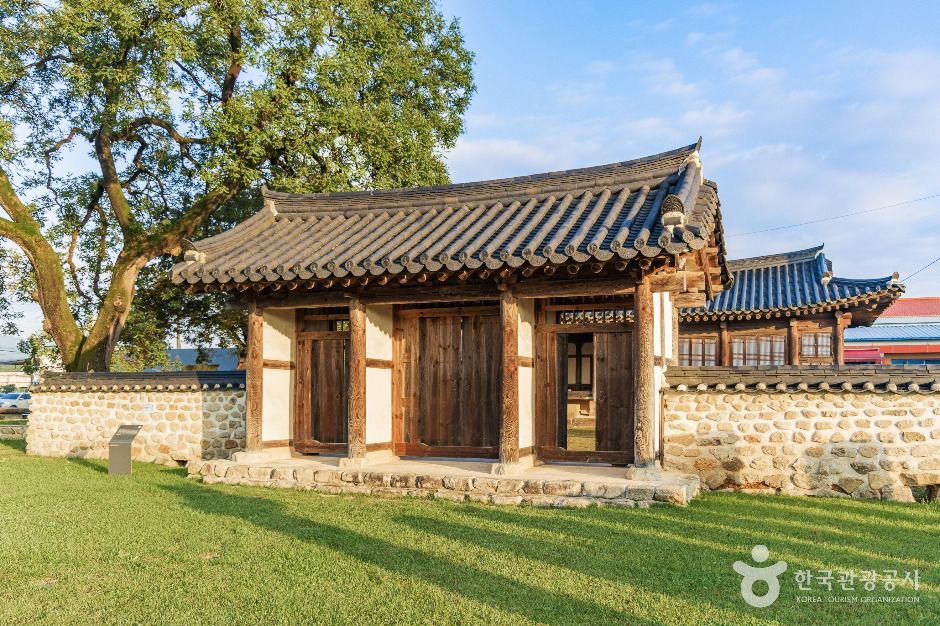
- Hip-and-gable roof The side lines of the roof are shaped like the Chinese character for “eight” (八), highlighting the elegance and stability provided by its curves.
- Single eaves The eaves are simple and single, giving a modest yet neat impression.
- Simple bracket system (Mindori-jip) Without bracket complexes (components supporting the roof’s weight), it has a simple yet sturdy charm.
- Stylobate and foundation stones Shaped stones and natural stones are used together on a low stone stylobate, harmoniously blending natural and artificial beauty.
- Variation in columns While mainly round columns were used, some square columns were also erected, offering a glimpse into the diverse architectural techniques of the time.
These architectural elements indicate that it is not merely a structure, but a work of art containing the technology and aesthetics of its era. If you examine Goesan Cheongan Anminheon closely, you will find yourself listening to the stories held by each component.
Wisdom of life permeated in space: Anminheon’s interior structure
The interior space of Anminheon clearly shows the functions of the government office and the lifestyles of person at that time. This place was not merely where the magistrate resided, but a vibrant living space where they listened to the people’s grievances, handled administration, and sometimes rested.
Functional space utilization
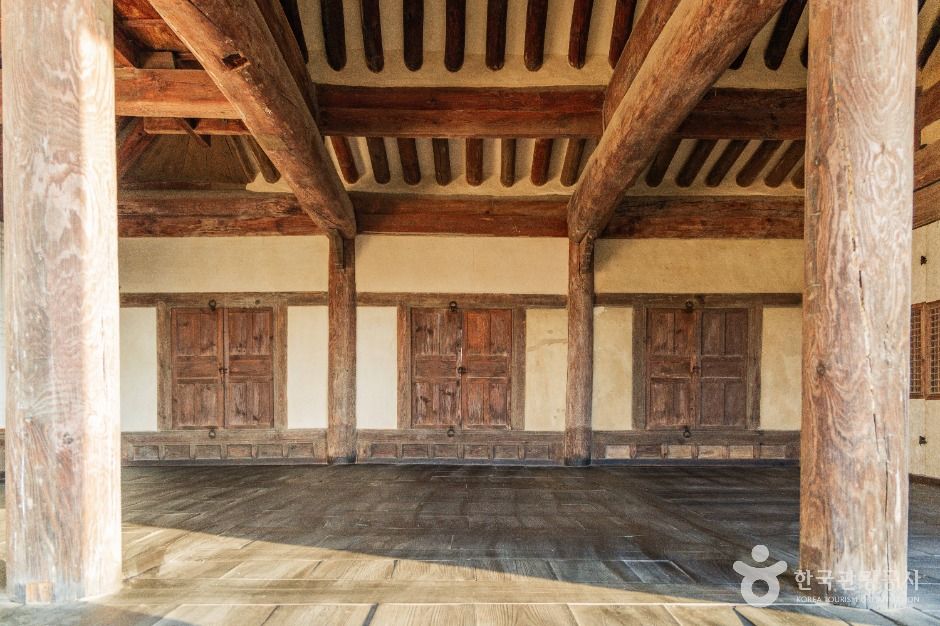
- Open toetmaru The front bay is an open toetmaru, used as a communication channel with the outside and a space to greet visitors.
- Wide daecheong The three left bays are a cool, open daecheong, likely used for official business, meetings, and ceremonies.
- Warm ondol room The two right bays are ondol rooms, probably used as the magistrate’s office or private resting space.
- Toetmaru with a door The last bay was also a toetmaru, but having a door suggests it might have been used as a somewhat formal or private space, distinct from the outside.
This kind of segmented spatial composition suggests the systematic operational methods of Joseon Dynasty government offices. Although it underwent repairs in 1915 and was used as the Cheongan Police Station during the Japanese colonial period, experiencing transformations, its original appearance and meaning were recovered through restoration work in 1981.
In the vortex of history: Traces of Anminheon
Goesan Cheongan Anminheon is more than just an old building; it is a living witness that has shared the twists and turns of Korean history. Its history is marked by its inception, suffering, and continuous restoration efforts.
Anminheon’s journey
- Established in 1405 Built as the government office of Cheongan-hyeon in the 5th year of King Taejong’s reign, it began to serve as the central institution for local governance.
- Numerous repairs Over more than 600 years, it underwent several major and minor repairs, leading to its current architectural style from the late 19th century.
- Transformation during the Japanese colonial period After repairs in 1915, it was used as the Cheongan Police Station during the Japanese colonial period, undergoing significant changes in its function and form.
- Restoration in 1981 Anminheon, which had been damaged and transformed, was restored close to its original form in 1981 through historical verification, regaining its historical value.
Tracing these historical currents will be an important experience that helps us remember past pains and appreciate the value of the present. Anminheon quietly reminds us of the solemnity of history and the importance of preserving cultural heritage.
Adding to Goesan’s charm: Nearby attractions and visiting tips
If you visit Goesan Cheongan Anminheon, we recommend exploring the beautiful surrounding nature and other historical sites to fully experience Goesan’s charm. Anminheon is located at 222-1 Eupnae-ri, Cheongan-myeon, Goesan-gun, Chungcheongbuk-do.
Goesan attractions to enjoy with Anminheon
- Goesan Sanmakiyetgil It is a fantastic trekking course that follows the beautiful Goesan Lake.
- Hwayang Gugok It is a famous scenic spot where clear valley water and bizarre-shaped rocks create a spectacular view, perfect for enjoying leisure in nature.
- Seonyudong Valley It is a popular summer destination where you can enjoy cool water activities and admire the splendid surrounding scenery.
Guide for visitors
- Notes for viewing Entry into the building may be restricted for cultural heritage preservation; it is recommended to appreciate its architectural beauty from the outside.
- Photography You are free to capture the beautiful appearance of Anminheon, but please be careful not to disturb other visitors.
- Parking information Parking spaces are available nearby, but it is advisable to check in advance before your visit.
- Information on nearby explorations You can plan a more fulfilling trip by checking information about nearby tourist attractions or event schedules in advance through the Goesan County Office’s Culture and Tourism website, etc.
Goesan Cheongan Anminheon, embracing a profound history rather than grandeur. We hope you pause your steps here and experience a peaceful time where past and present coexist.
Frequently Asked Questions
Q1. What was Goesan Cheongan Anminheon used for?
It was the government office building of Cheongan-hyeon during the Joseon Dynasty, an important central space where the magistrate handled administrative tasks and listened to the people’s grievances. It played a crucial role in local governance.
Q2. When was Anminheon established, and what are the characteristics of the current building?
It was first built in the 5th year of King Taejong’s reign (1405), but after several repairs, the currently standing building is presumed to be from the late 19th century. It features a hip-and-gable roof and a simple bracket system (mindori-jip) style.
Q3. How was Anminheon utilized during the Japanese colonial period?
During the Japanese colonial period, it was used as the Cheongan Police Station, undergoing transformations in the building’s form and function. It was later restored to its original appearance in 1981.
Q4. How is Anminheon’s interior structure configured?
The front bay consists of an open toetmaru, the three left bays are a daecheong, the two right bays are ondol rooms, and the last bay is a toetmaru with a door, functionally dividing the space.
Q5. Are there any other places worth visiting around Goesan Cheongan Anminheon?
Yes, there are many beautiful natural landscapes and various historical sites such as Goesan Sanmakiyetgil, Hwayang Gugok, and Seonyudong Valley; exploring them together will make your trip even richer.