Gunsan Sangjusa, embracing a thousand years: Chasing the secret of the lost dragon head


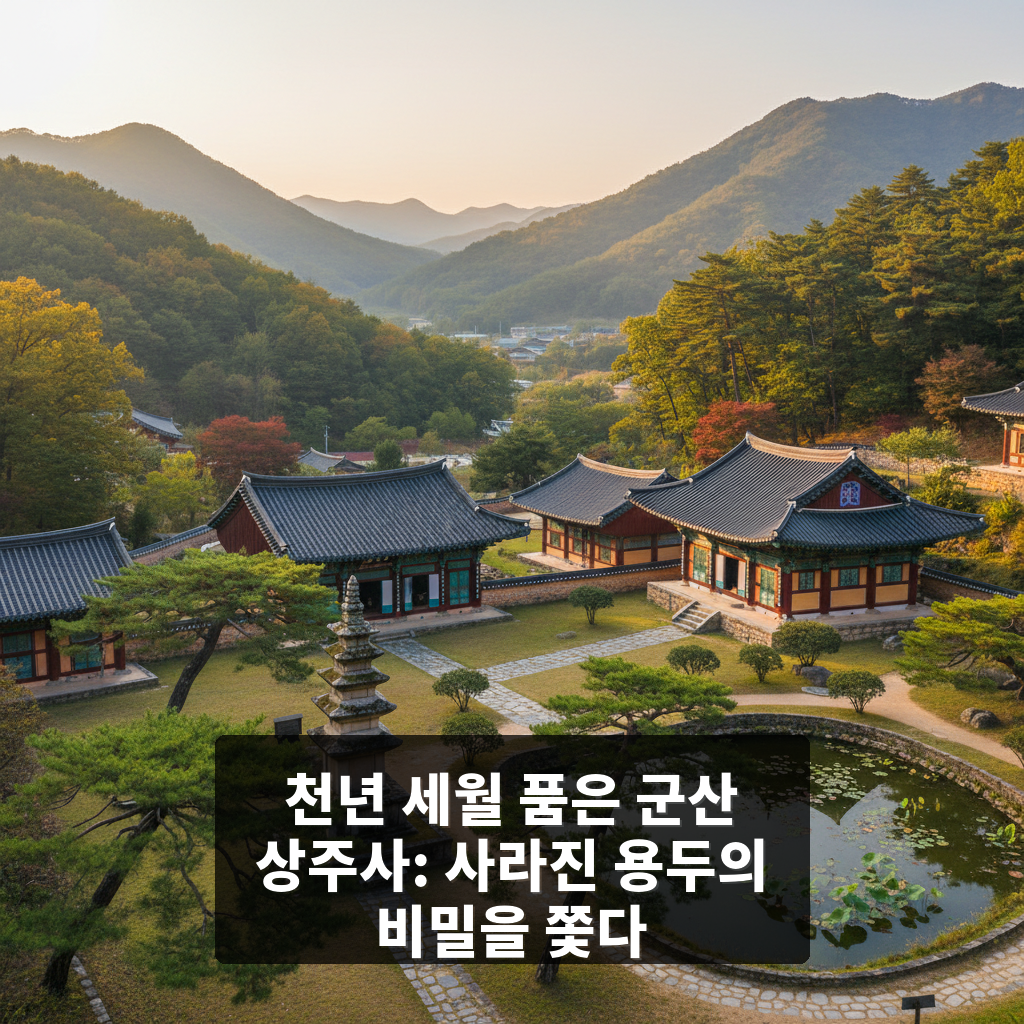
Have you ever imagined? What if a massive temple, once so prosperous that rice water flowed down to the village below, is now quietly sleeping on a peaceful mountainside? And what if, under the eaves of the temple’s main hall, hidden within the ornamental canopy, there is a dragon’s head sculpture, and you were told there were originally two? Today, we invite you to **Sangjusa (Gunsan)**, the protagonist of this mysterious story in Gunsan.
Founded in the 7th year of King Mu of Baekje, Sangjusa Temple, which has endured the vicissitudes of countless ages through Silla, Goryeo, and Joseon, holds the profound breath of history beyond just an old temple. In particular, the lonely legend held by the single remaining dragon head often leaves a faint echo in the hearts of those who visit this place. Shall we now embark on a journey, as if searching for the lost piece, and step into the charm of **Sangjusa (Gunsan)**?
The Thousand-Year Story of Sangjusa (Gunsan), Forged by the Waves of History
Sangjusa (Gunsan) is a historic temple said to have been founded in the 7th year of King Mu of Baekje (606) by Master Hyegong of Silla. Although there is debate about the exact time of its founding because the region was Baekje territory then, it is clear that this place has been a sacred space holding the aspirations of countless people for over a thousand years. Especially the story of how it acquired its current name, Sangjusa (上柱寺), meaning ‘the temple that becomes the pillar of the nation,’ when Master Hyegun rebuilt it in the 11th year of King Gongmin of Goryeo (1362), suggests how high its status was.
Catching a Glimpse of a Prosperous Past
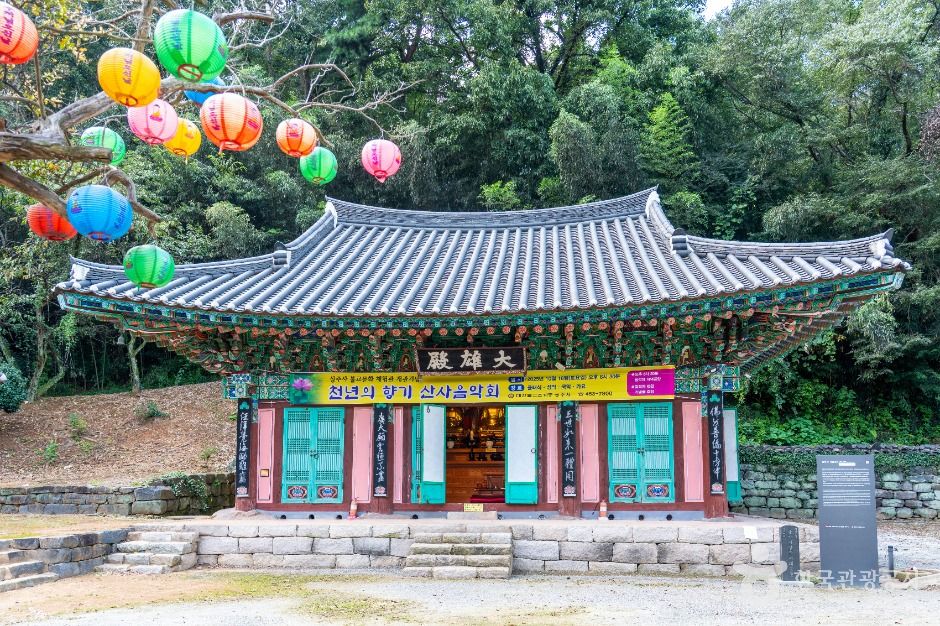
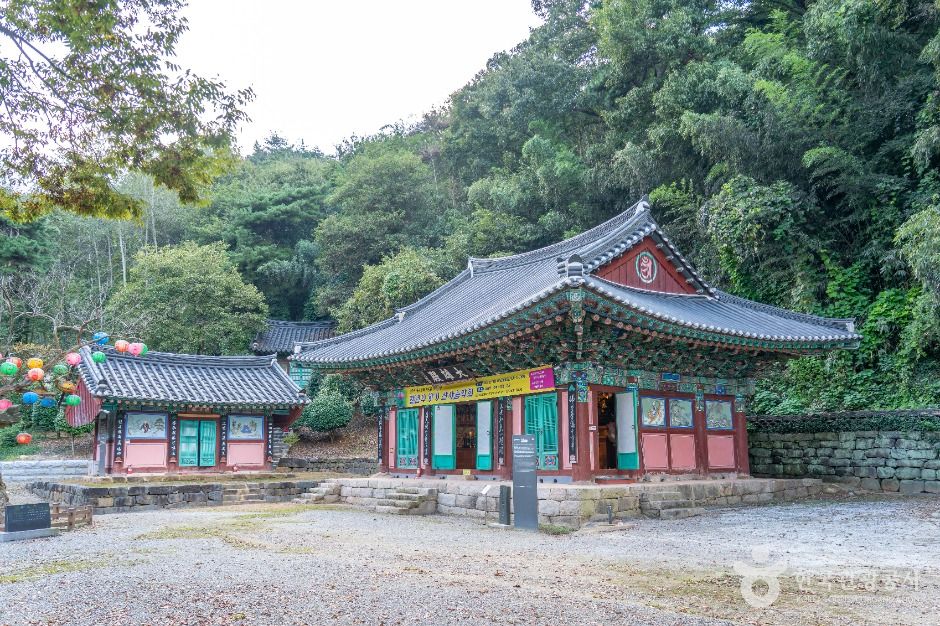
- Beginning of Founding A legend tells that its first foundation was laid in the 7th year of King Mu of Baekje (606) by Master Hyegong of Silla.
- Aspiration in the Name King Gongmin of Goryeo personally visited this temple to pray for the nation’s well-being, and it was then that the temple’s name was changed to Sangjusa (上柱寺), symbolizing ‘the pillar of the nation.’ There is a profound meaning in its transformation from ‘住’ (to stay) to ‘柱’ (pillar).
- Overwhelming Scale It once flourished to the extent that it presided over 9 hermitages within Chukseongsan Mountain and housed over 200 monks, and the story that rice water flowed down to the village below when cooking vividly conveys its scale.
Thus, **Sangjusa (Gunsan)** is more than just a temple; it is like a living history museum that has shared the rise and fall of eras and fully embraces the lives and aspirations of the people embedded within them. Just imagining its once immense grandeur from its quiet current appearance provides a special sense of awe.
The Lost Dragon Head on the Ornamental Canopy, Its Regrettable Trace
On the beautiful ornamental canopy (an architectural structure decorating Buddhist statues) above the main hall’s Triple Buddhas at Sangjusa Temple, a dragon’s head is carved. However, this dragon head holds a regrettable story. Originally, two dragon heads guarded the canopy, but during the Japanese colonial period, one was reportedly plundered by the Japanese. Now, only one remains, sadly guarding its spot.
A Tragic Story That Cannot Be Heard Without Tears
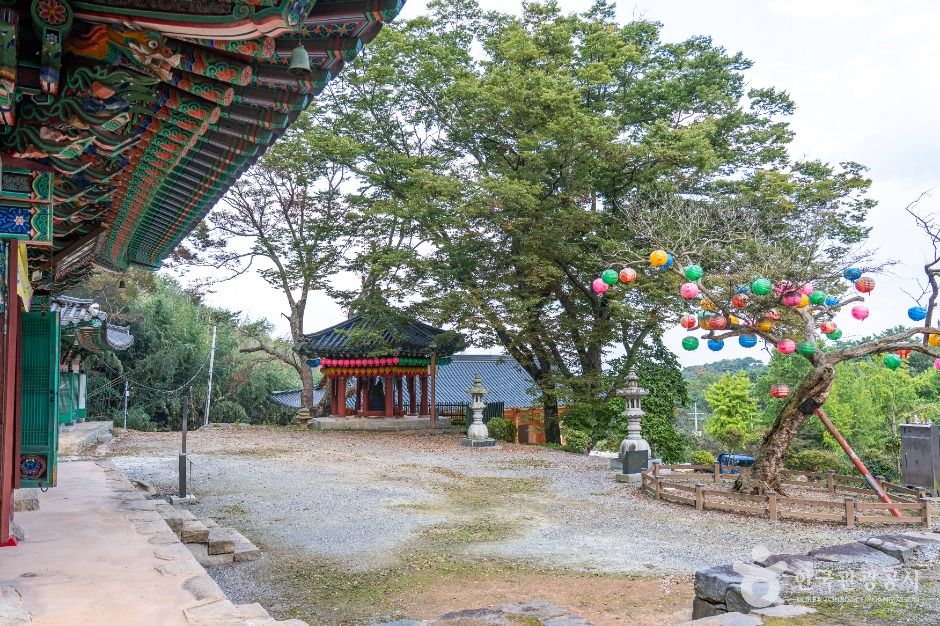
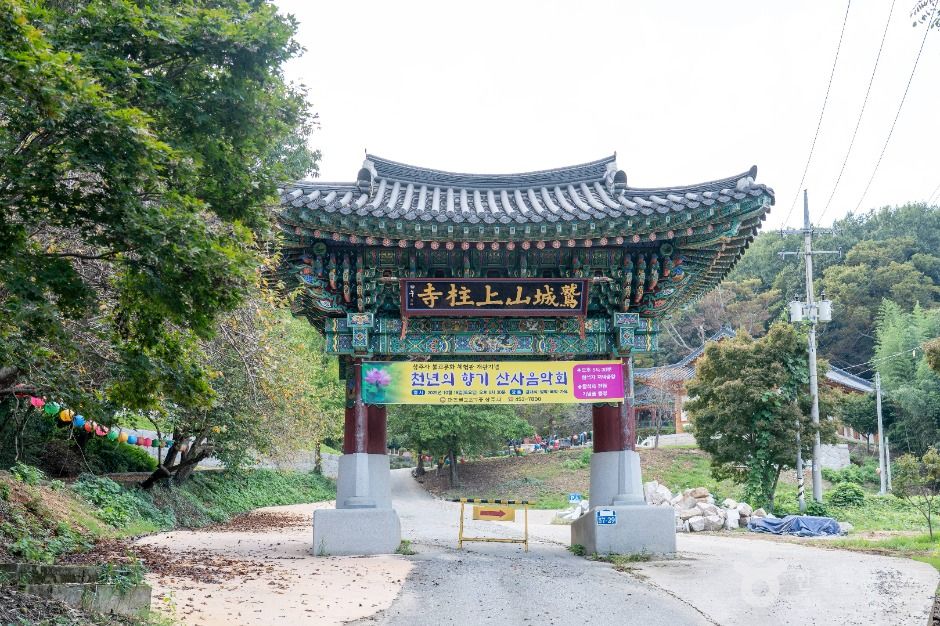
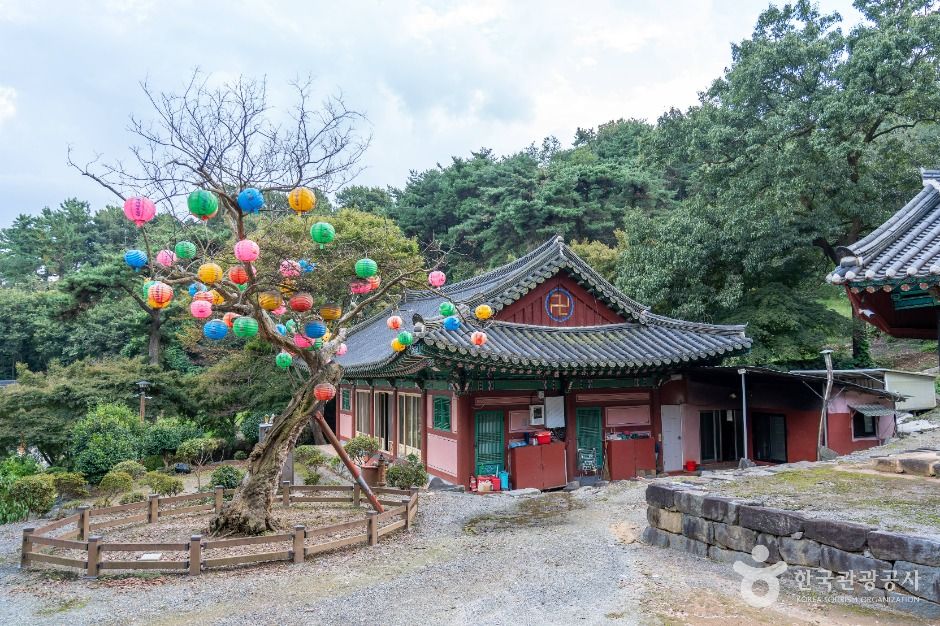
Whenever we look up at the remaining dragon head, we are reminded of the painful history of our nation that vanished along with the other lost dragon head. Beyond the historical value of cultural heritage, the tragic story contained within makes a visit to Sangjusa Temple a deeper and more meaningful experience. How about taking a stroll through the tranquil temple grounds and imagining the empty space of the vanished dragon head?
A Pause in Silence, Peace Found at Sangjusa (Gunsan)
Cozy nestled on the eastern slope of Chwiseongsan Mountain, **Sangjusa (Gunsan)** is a branch temple of Geumsansa Temple, the head temple of the 17th district of the Jogye Order of Korean Buddhism. This place, feeling embraced by nature away from the city noise, offers true rest and tranquility to visitors. Put aside complex thoughts for a while and take time to reflect on yourself amidst the quiet scenery.
Directions to Sangjusa (Gunsan), How to Get There Without Getting Lost
Although it is a bit far from downtown Gunsan, it is easily accessible as the way there is not difficult. Both public transportation and private cars can be conveniently used, and walking slowly along the path, breathing fresh air, is also one of the joys of visiting Sangjusa Temple.
- By Public Transportation It is convenient to take a Gunsan city bus (detailed routes need real-time information verification), get off at a nearby stop, and then walk or take a taxi.
- By Private Car You can find it by searching for ‘Sangjusa Temple’ on your navigation system. Parking spaces are available within the temple. (Please confirm whether parking is free or paid on-site.)
- Connecting with Nearby Tourist Destinations After exploring Sangjusa Temple, you can plan a fulfilling travel itinerary by connecting with other nearby attractions such as Gunsan’s Modern Cultural Heritage Street and Dongguksa Temple.
My Own Way to Enjoy Sangjusa (Gunsan) More Fully
Checklist to Confirm Before Your Visit
- Allocate Sufficient Time To fully experience the tranquil atmosphere of the temple, it is recommended to allow at least 1 to 2 hours. Explore every corner of the temple grounds without rushing.
- Comfortable Attire Although the walking paths are well-maintained, comfortable shoes and clothing are essential. Dress appropriately for the season for a pleasant visit.
- Familiarize Yourself with Temple Etiquette Temples are places of practice, so it is important to maintain a quiet and reverent attitude. When taking photos, please be careful not to disturb other worshippers.
- Research Nearby Attractions in Advance In addition to Sangjusa Temple, Gunsan offers a wealth of diverse sights and foods. Plan ahead to make your trip even richer.
The Diverse Faces of Sangjusa Temple Through the Four Seasons
| Season | Features | Recommended Activities |
|---|---|---|
| Spring | A vibrant season when new buds sprout and flowers bloom. A tranquil temple landscape harmonized with spring flowers. | Stroll through the temple grounds and feel the vital energy emerging from the tranquility. |
| Summer | A time to enjoy the coolness and freshness of a forest temple with lush greenery. A walk on a green forest path. | Take a break in the cool shade and listen to the sounds of nature. |
| Autumn | The season when autumn foliage peaks and boasts the most beautiful scenery. The tranquil ambiance of the temple harmonized with colorful autumn leaves. | Walk along the crimson-tinged maple path, soak in the autumn atmosphere, and capture some memorable photos. |
| Winter | A time when white snow falls, creating a quiet and mysterious atmosphere. The tranquility and peacefulness of a snow-covered temple. | Experience true relaxation amidst the charm of the snow-covered temple and take time to calmly clear your mind. |
Frequently Asked Questions
Q1. How old is the history of Sangjusa (Gunsan)?
Sangjusa (Gunsan) is said to have been founded in the 7th year of King Mu of Baekje (606), making it a historic temple with a long history of over 1400 years. It has played an important role through the Silla, Goryeo, and Joseon periods.
Q2. Is there anything special to see when visiting Sangjusa (Gunsan)?
Pay attention to the dragon head carved on the ornamental canopy above the main hall’s Triple Buddhas. It holds a sad story that originally there were two, but one was plundered during the Japanese colonial period, conveying an even more special emotion.
Q3. Are there any places worth visiting near Sangjusa (Gunsan)?
Gunsan is a treasure trove of modern cultural heritage. After exploring Sangjusa Temple, you can enjoy a fulfilling trip by visiting various historical sites such as Gunsan Modern Cultural Heritage Street, Dongguksa Temple, and Chorwon Photo Studio.
Q4. What are the visiting hours and entrance fees for Sangjusa (Gunsan)?
Like most temples, Sangjusa Temple does not have specific visiting hour restrictions, but it is generally recommended to visit before sunset. Entrance is free. It is advisable to confirm detailed information before your visit.
Q5. How did Sangjusa (Gunsan) get its name?
In the 11th year of King Gongmin of Goryeo (1362), when Master Hyegun rebuilt it and King Gongmin prayed for the nation’s Hello, the character ‘住’ (to stay) was changed to ‘柱’ (pillar) to signify ‘the temple that becomes the pillar of the nation,’ thus becoming **Sangjusa (Gunsan)**.