The hidden fortress that protected the Annals of the Joseon Dynasty: The secret of Jeoksangsan Archive Site


What if all the Annals, recording Joseon’s five hundred years of history, had been burned and lost? Amidst the devastation of the Imjin War, most archives were on the verge of being completely destroyed, but miraculously, there was one place that escaped the catastrophe. That is the Jeoksangsan Royal Archive Site in Muju. This was more than just a place to store records; it was a great fortress that preserved the spirit and history of Joseon.
Shall we set off together to find the secret story hidden within the embrace of the red mountain? Following the breath of history slumbering in the rugged mountain terrain and tranquility, we intend to encounter the wisdom and perseverance of Joseon that we had not known before.
History Blooming, Joseon’s Records Embraced by the Red Mountain
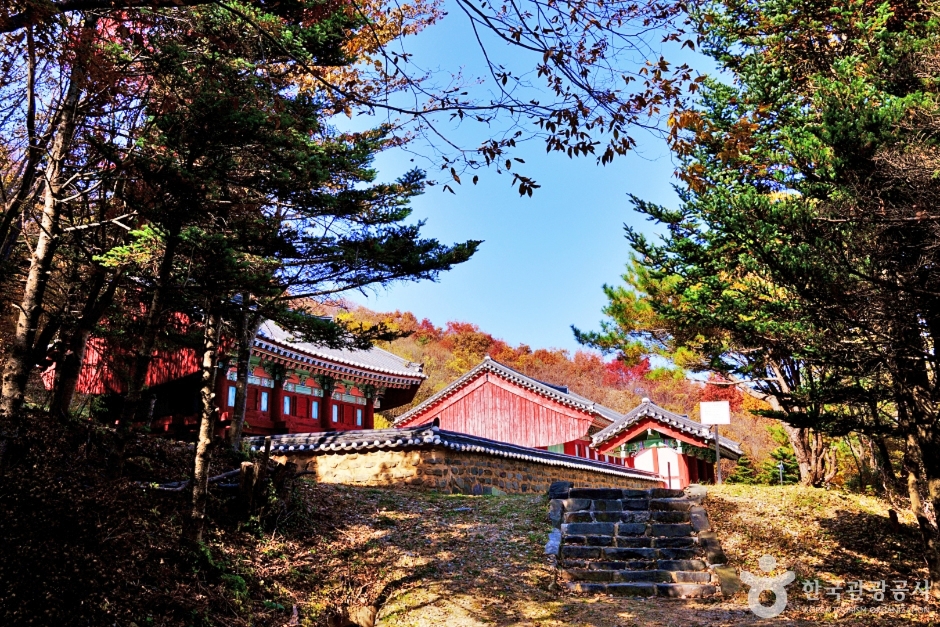
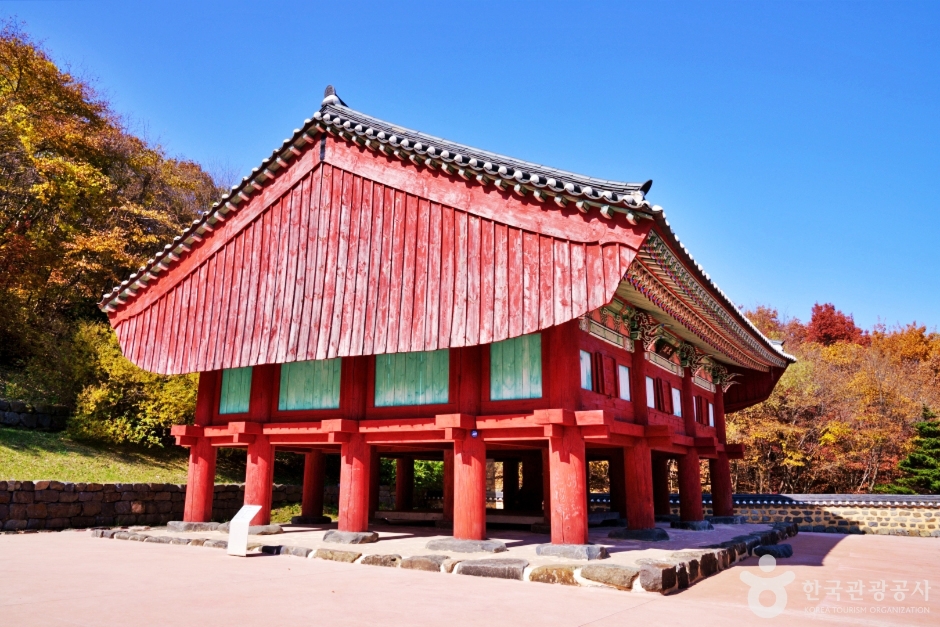
The Joseon Wangjo Sillok (Annals of the Joseon Dynasty) is the most precious treasure of our history, but it suffered the misfortune of being mostly destroyed in the great turmoil of the Imjin War. Only the Annals from the Jeonju archive survived, and to protect these valuable records, additional copies of the Annals from King Taejo to King Myeongjong were printed and re-stored in deep mountain archives such as Chunchugwan, Manisan, Taebaeksan, Myohyangsan, and Odaesan. One of the places chosen at this time was this very Jeoksangsan Royal Archive Site.
With the establishment of Seonwonjeon in 1641 (19th year of King Injo), the Jeoksangsan Royal Archive Site fully served its role as an important base for storing the Annals. Here, 34 copies of the Joseon Wangjo Sillok (27 volumes by dynasty, 7 volumes of Muju records) and 5 copies of Seonwonrok, the royal family genealogy, were housed. The rugged mountain terrain must have safely protected the Annals from external invasions.
Annals and Seonwonrok, the Site of Vast Records
- Historical Value You can learn about the importance of storing copies of the Annals after the Imjin War. It contains the noble efforts that revived Joseon’s history, which was on the verge of disappearing.
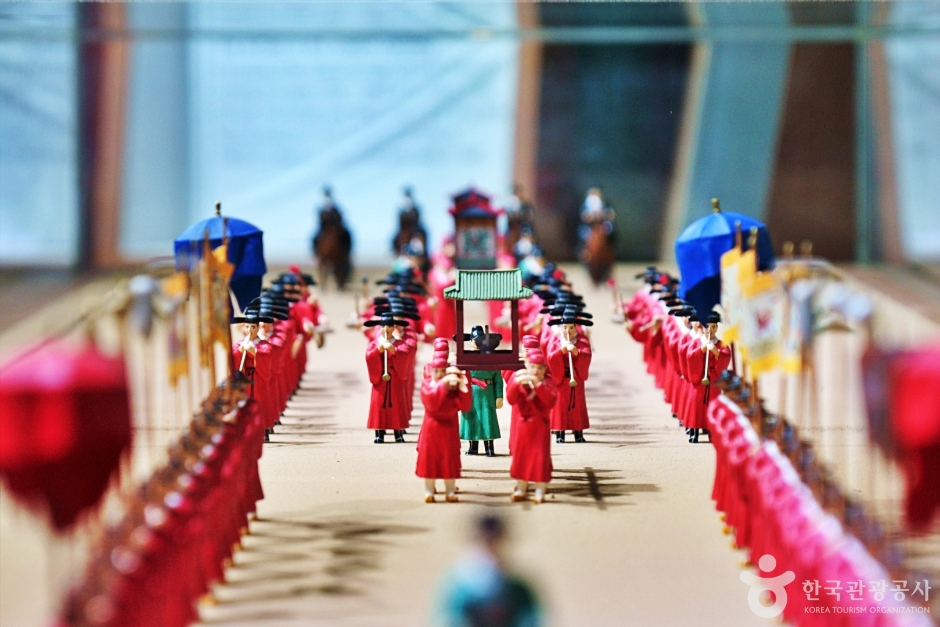
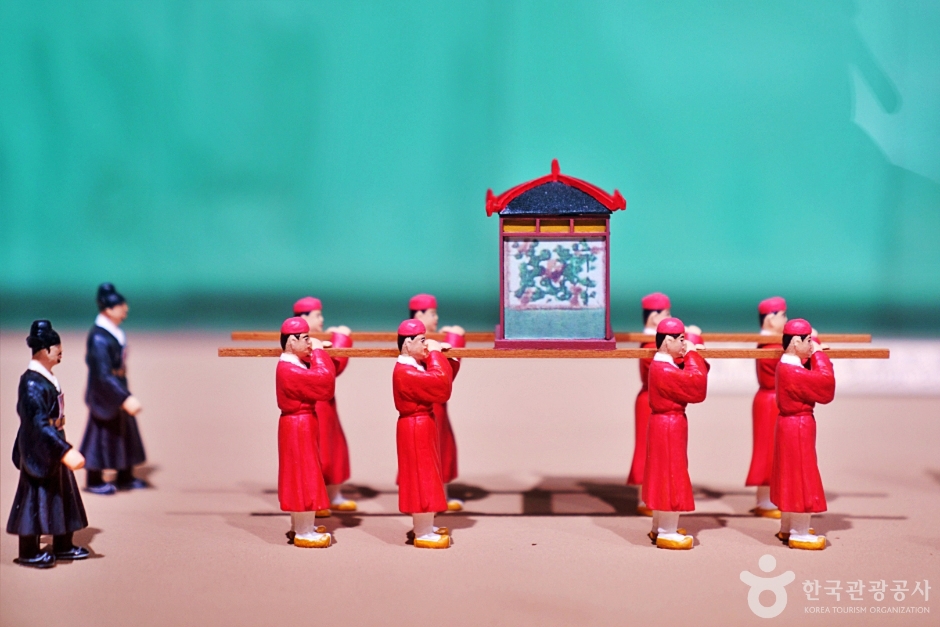
- Exhibition Panels 22 types of exhibition panels are installed, covering the production and compilation process of the Annals, as well as the difficult transportation process, adding to the interest.
- Cultural Tourism Commentator A commentator from Muju County Office is stationed there to easily explain the historical significance of the Annals and the archive, which is especially beneficial for family visitors with children.
A Historical Journey into the Red Mountain
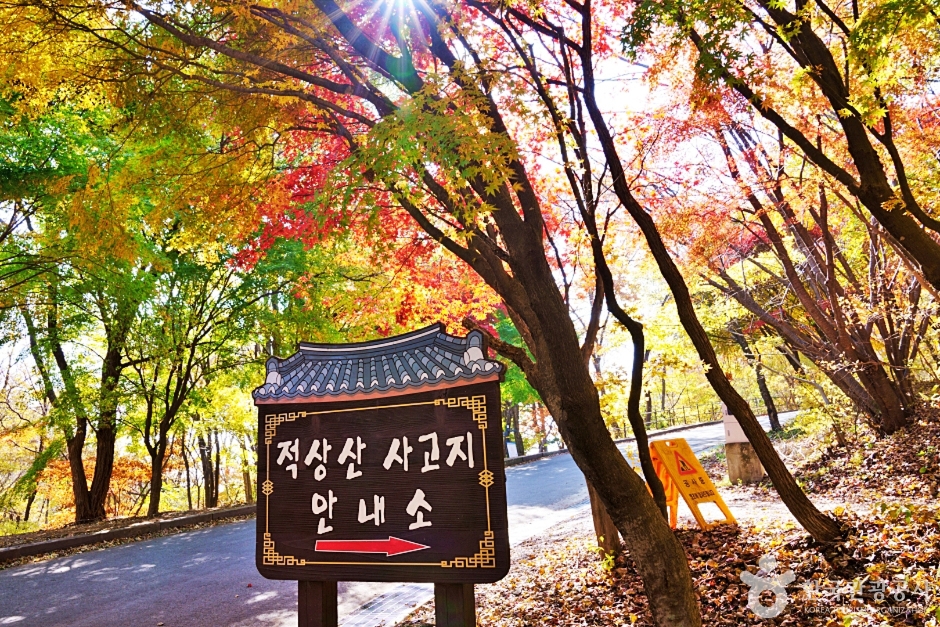
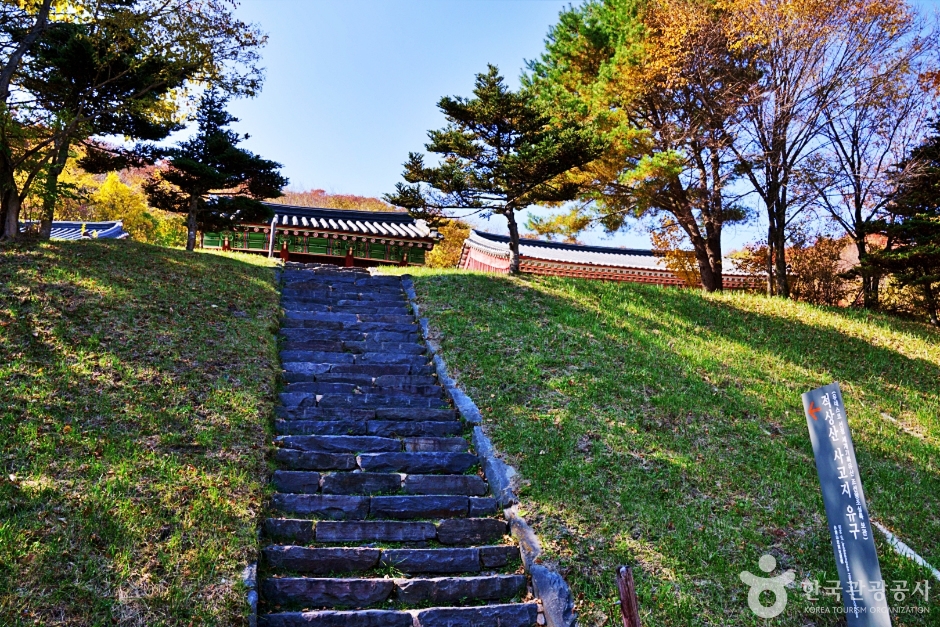
The beautiful red mountain, Jeoksangsan, is a place where autumn foliage is particularly stunning, living up to its name. The path to the Jeoksangsan Royal Archive Site, nestled deep in these mountains, even makes you recall history. Starting from Muju IC and ascending the winding mountain road, you will naturally understand why this place was chosen as an Annals storage site.
Escape from daily life for a moment in this quiet and tranquil place, and enjoy the feeling of stepping into history. It will be a special experience to witness a scene of history unfolding in nature with your own eyes.
Places worth visiting together around Jeoksangsan Royal Archive Site
Klook.com- Jeoksangsan Observatory Located not far from the archive site, it’s a great place to take in the crimson mountain scenery and surrounding landscape at a glance. Especially in autumn, breathtaking views unfold.
- Anguksa Temple A serene temple located within Jeoksangsanseong Fortress, where you can experience the scent of history along with the archive site. Find peace of mind in the tranquility.
- Muju Taekwondowon A world-class facility where you can experience Taekwondo, a symbolic cultural heritage of modern Korea, perfect for the whole family to enjoy. With children, you can create even more special memories.
- Muju Wine Cave A unique tourist spot where you can taste and purchase meoru wine produced in Jeoksangsan, offering a different kind of experience. It’s also a good idea to relieve travel fatigue with a glass of wine.
A Wise Guide for a Fulfilling Historical Journey


Here are some tips for exploring this precious historical site more deeply. The Jeoksangsan Royal Archive Site will offer a valuable experience that goes beyond a simple visit, connecting the past and the present.
- Utilize a Commentator Listening to the explanation of the cultural tourism commentator from Muju County Office makes it feel like a vivid historical site, not just a simple relic. It is especially recommended if you are with children. Try to visit according to the commentary schedule.
- Enjoy a Jeoksangsan Drive The Jeoksangsan mountain road leading to the archive site is a wonderful driving course in itself. Especially during the autumn foliage season, it offers breathtaking scenery. Drive safely and take your time to enjoy the views.
- Plan Ample Time To explore not only the archive site but also the nearby Anguksa Temple and observatory, it’s good to allow at least 2 to 3 hours. Taking your time to look around thoroughly will deepen its meaning.
- Experience Seasonal Charm It offers different beauty in each of the four seasons: green sprouts in spring, lush greenery in summer, autumn foliage, and snowscapes in winter. Visiting in any season will provide a unique and moving experience.
Beyond Time, the Message of Jeoksangsan Royal Archive Site
Muju’s Jeoksangsan Royal Archive Site is not just an old building. It is a place that fully contains the wisdom and efforts of our ancestors who steadfastly protected the history of Joseon amidst the chaos of the Imjin War. Visiting this place will be a meaningful journey to confront the past, appreciate their dedication, and once again reflect on the preciousness of our history.
Under the spirit of the red mountain, the Jeoksangsan Royal Archive Site has quietly embraced history for a long time. We hope you experience its profound story firsthand and feel an unforgettable impression. Create special memories at this place that preserved important moments of our history.
Frequently Asked Questions
Q1. What was the Jeoksangsan Royal Archive Site used to store?
It was a place where precious historical records of Joseon were stored, including 34 copies of the Joseon Wangjo Sillok (Annals of the Joseon Dynasty) and 5 copies of Seonwonrok, the royal family genealogy. After the Imjin War, when all the Annals except those in the Jeonju archive were destroyed, it was one of the sites where reprinted copies were distributed and stored in various archives.
Q2. Are there any places worth visiting around the archive site?
Yes, you can enjoy wonderful scenery from the Jeoksangsan Observatory, which is close to the archive site. Additionally, there are various tourist attractions nearby, such as Anguksa Temple within Jeoksangsanseong Fortress, Muju Taekwondowon, and Muju Wine Cave, making it great for linked travel.
Q3. Can I get explanations from a cultural tourism commentator?
Yes, a cultural tourism commentator from Muju County Office is stationed there and provides easy-to-understand explanations to visitors about the historical value of the Jeoksangsan Royal Archive Site and the Joseon Wangjo Sillok. This is particularly helpful for students interested in history and family visitors.
Q4. When was the Jeoksangsan Royal Archive Site established?
After the Imjin War, the need for storing copies of the Annals arose, and with the establishment of Seonwonjeon in 1641 (19th year of King Injo), it finally began to fully serve as an archive. This is an example that demonstrates the value of Jeoksangsan as an important strategic military point.
Q5. Why was the archive built on Jeoksangsan?
Jeoksangsan was suitable for safely protecting valuable records from external invasions due to its rugged terrain and geographical advantages. It was named Jeoksang (赤裳, meaning ‘red skirt’) because of its many red rocks, and its location deep in the mountains, making it difficult to access, was also an important reason.
 Love Korea? Promote it & Earn.