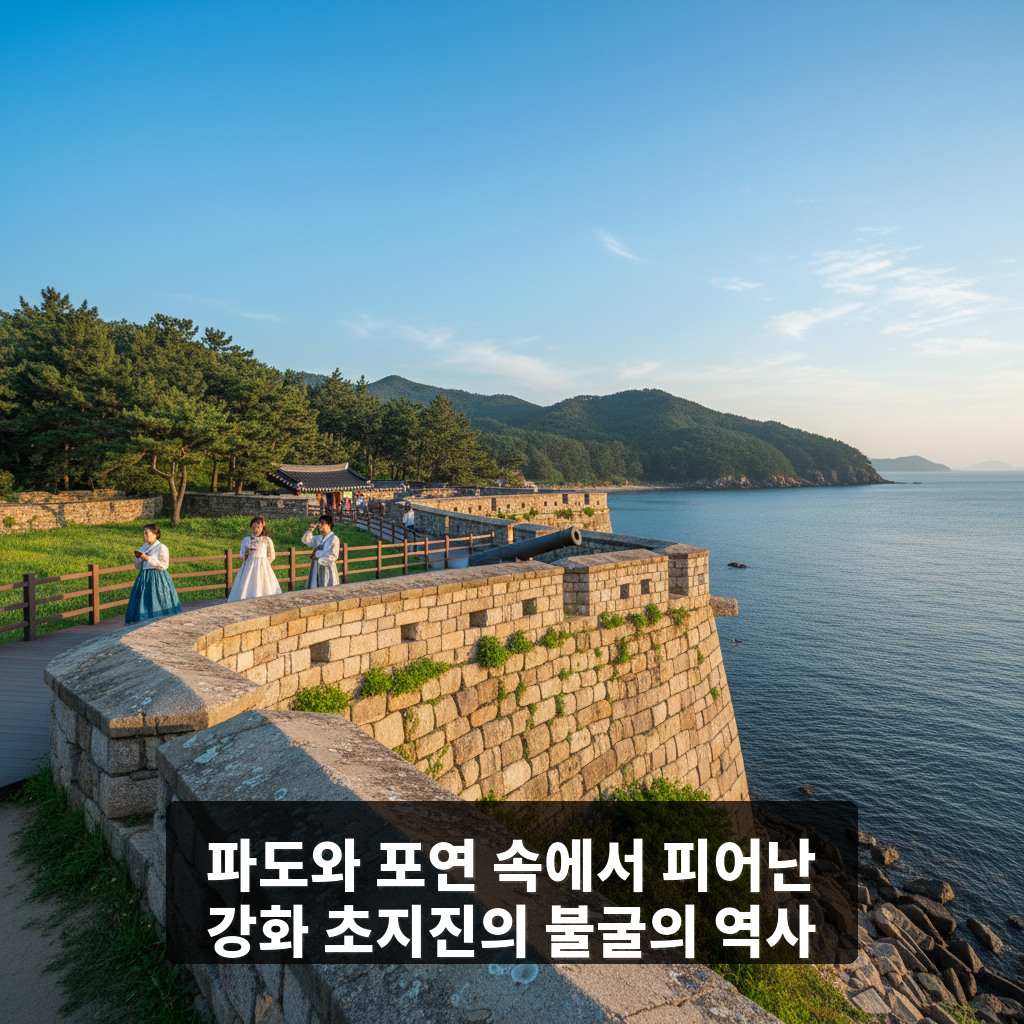
The indomitable history of Ganghwa Chojijin that bloomed amidst waves and gun smoke


There is a place where the scent of the sea, carried by the wind, brings us face to face with our painful history, deeply hidden within it. Having withstood the turbulent waves for hundreds of years, Ganghwa Chojijin is not merely a historical site. It is a living history museum where the courage and hardships of our ancestors, who never yielded even amidst the barrage of invasions, are vividly engraved. In this place, where the heavy breath of history can be felt with every step, what stories should we remember?
Chojijin, presumed to have been established in the 6th year of King Hyojong of Joseon (1655), is a fortress built to defend against enemies invading from the sea. Its sturdy walls were the site of a tragic yet proud history, where battles against American and Japanese invasions were fought in the 1870s. How was Ganghwa Chojijin destroyed and then rebuilt, and what message does it convey to us today?
Turbulent Modern History: The Roar of Cannons and Tears Remembered by Chojijin
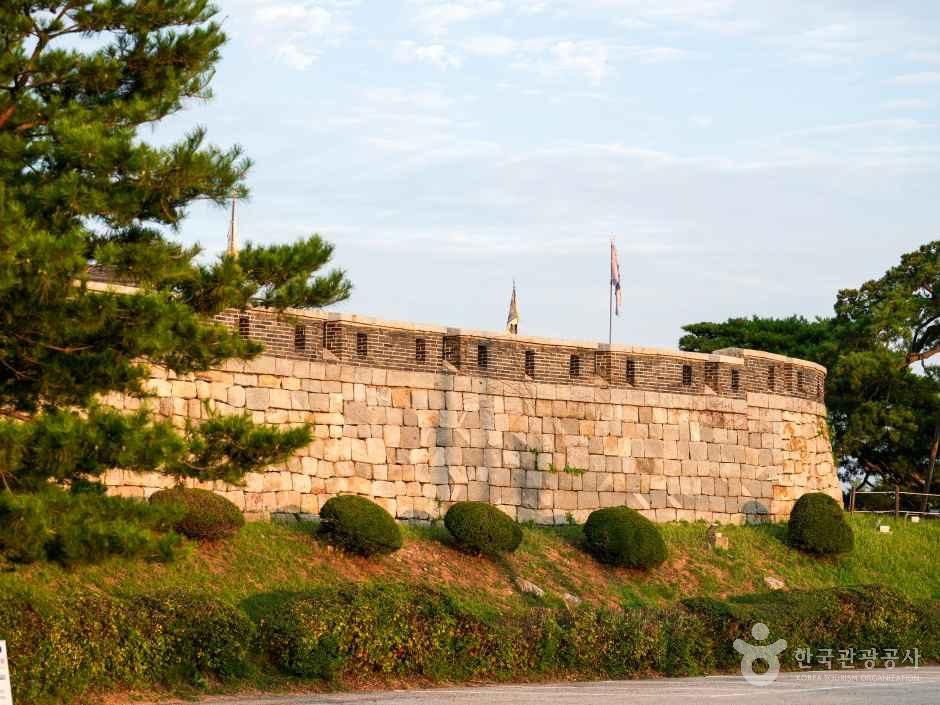
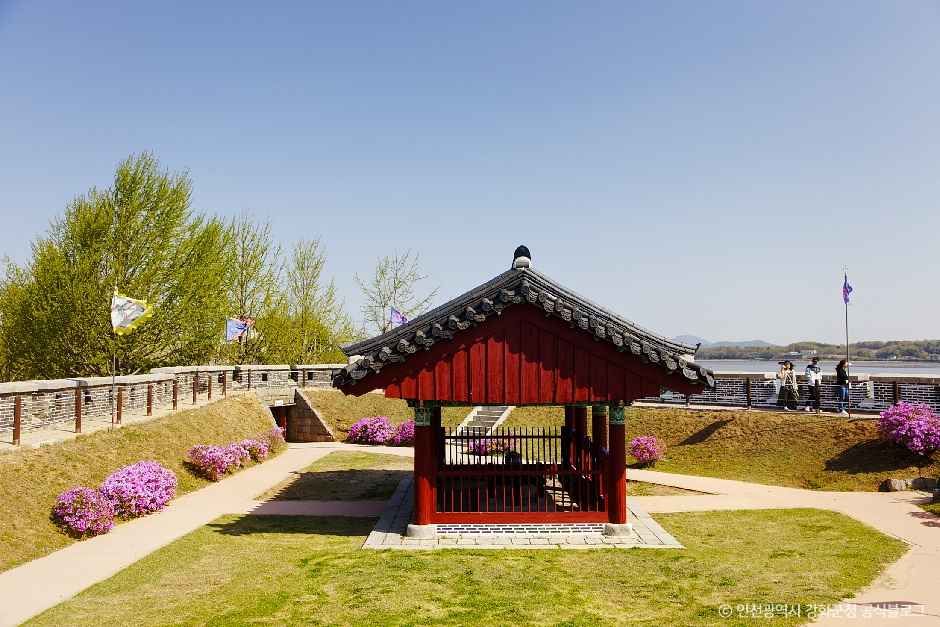
At the southern tip of Ganghwa-do, Chojijin stands firmly overlooking the sea, serving as a key stronghold for naval defense during the Joseon Dynasty. As its establishment records remain clear in the Annals of the Joseon Dynasty and the Seungjeongwon Ilgi, it played a crucial role as a breakwater, protecting Hanyang from the threat of foreign powers attempting to infiltrate via the West Sea. During those days that brought tension to the peaceful Ganghwa-do, Ganghwa Chojijin silently fulfilled its role.
The Inescapable Turbulent History: The Roar of Cannons from the Shinmiyangyo
In 1871, the quiet Chojijin faced a massive wave in the form of an invasion by the US Marine Corps. Despite being overwhelmingly outmatched in firepower, Chojijin’s soldiers fought desperately but were ultimately conquered. At that time, all military facilities, such as the armory and gunpowder magazines, suffered the pain of destruction. The walls of Chojijin became a witness to that day’s tragic history, bearing the full brunt of the terrible situation. The roar of the cannons from that day still seems to echo in our ears.
The Uneo-ho Incident, Announcing the Dawn of Open Ports, and Chojijin
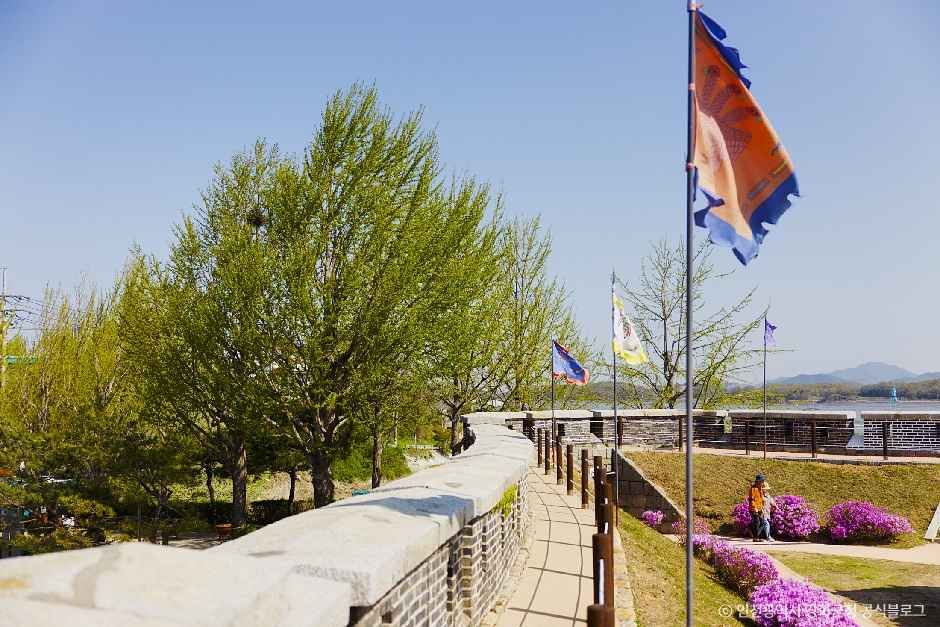
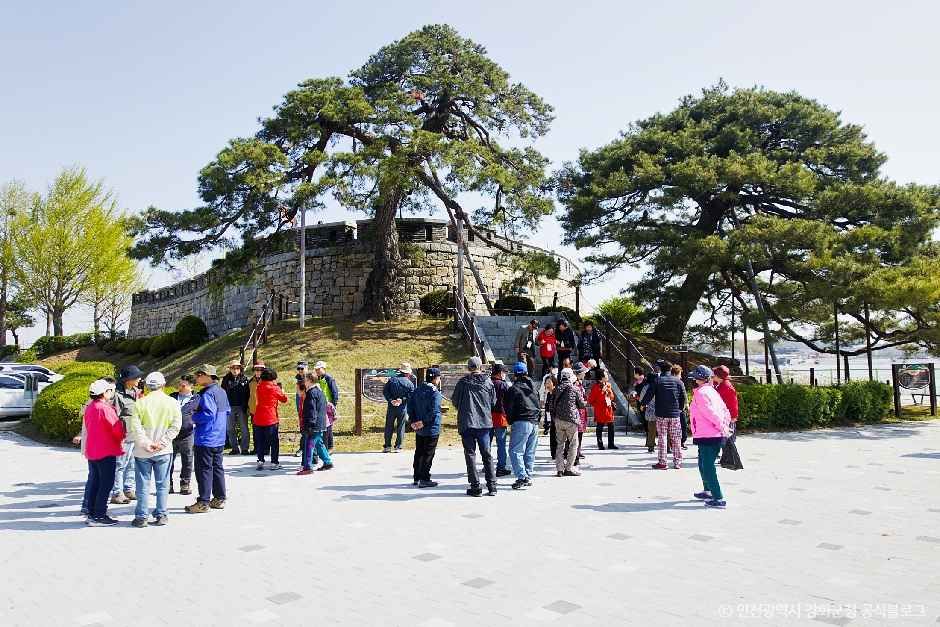
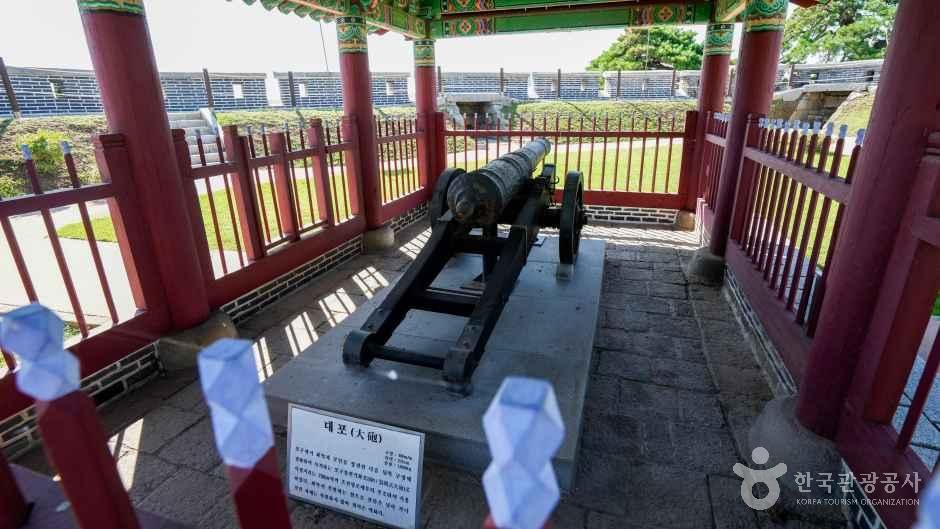
Just a few years later, in 1876, the Japanese ship Uneo-ho invaded Ganghwa-do. This led to the unequal Ganghwa-do Treaty of 1876 (13th year of King Gojong), resulting in the forced opening of Joseon’s doors and becoming a foothold for Japanese aggression. Chojijin was thus a site of national ordeal, where our people first confronted and sacrificed themselves to foreign powers amidst this turbulent modern history. Although it was once demolished, leaving only the foundations of its bastions and walls, it was finally restored in 1973 to its current appearance.
History Revived in the Present, Learning at Chojijin
Having endured countless trials and repeatedly undergoing destruction and restoration to reach its present state, Chojijin now remains an educational site that teaches us the spirit of national defense. As you walk along the fortress walls of Ganghwa Chojijin, you can vividly feel the urgency of that day and the firm resolve of our ancestors.
Historical Relics Encountered at Chojijin
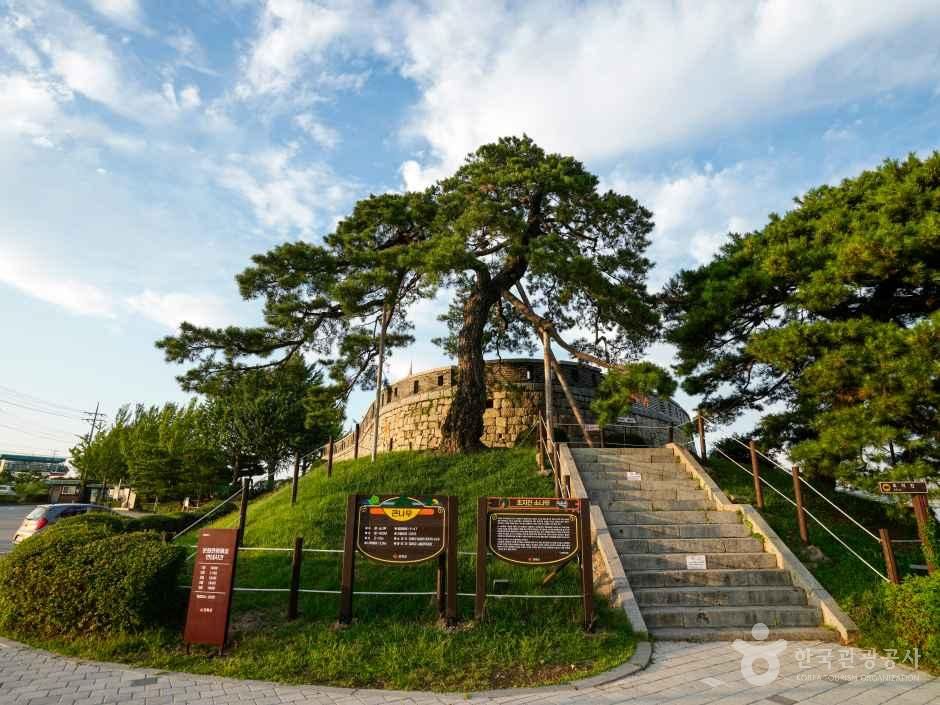
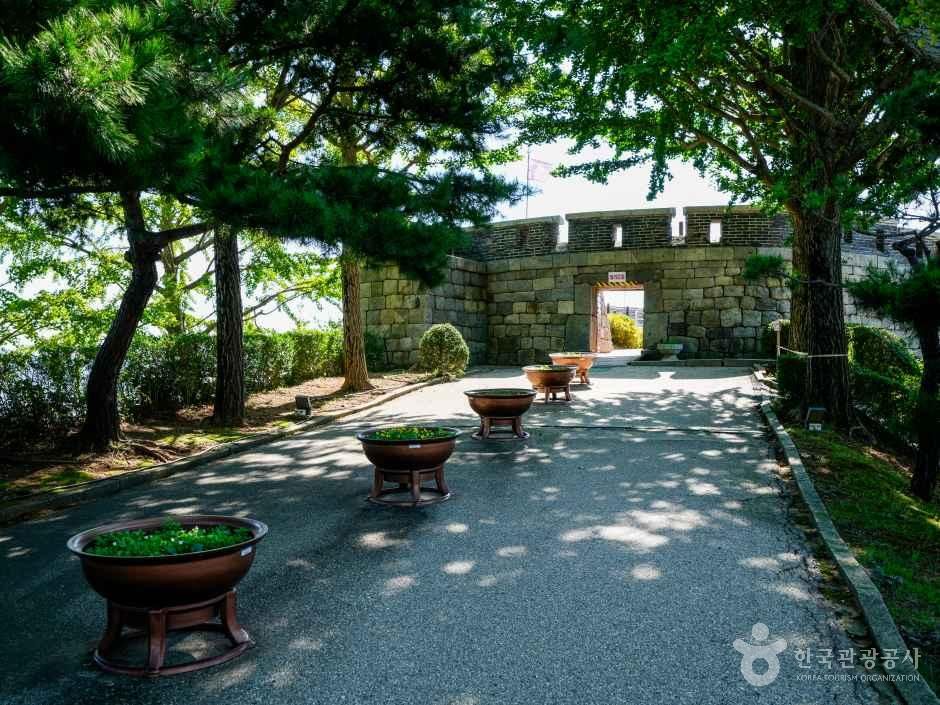
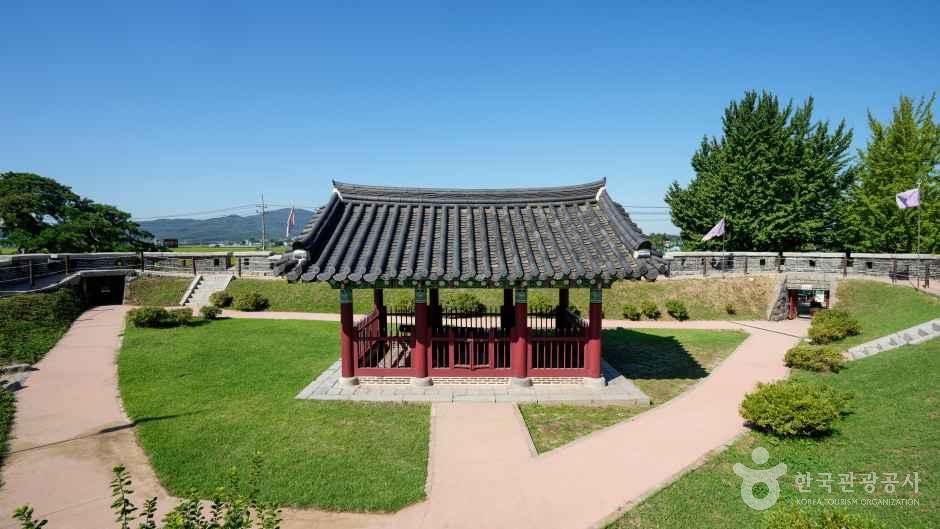
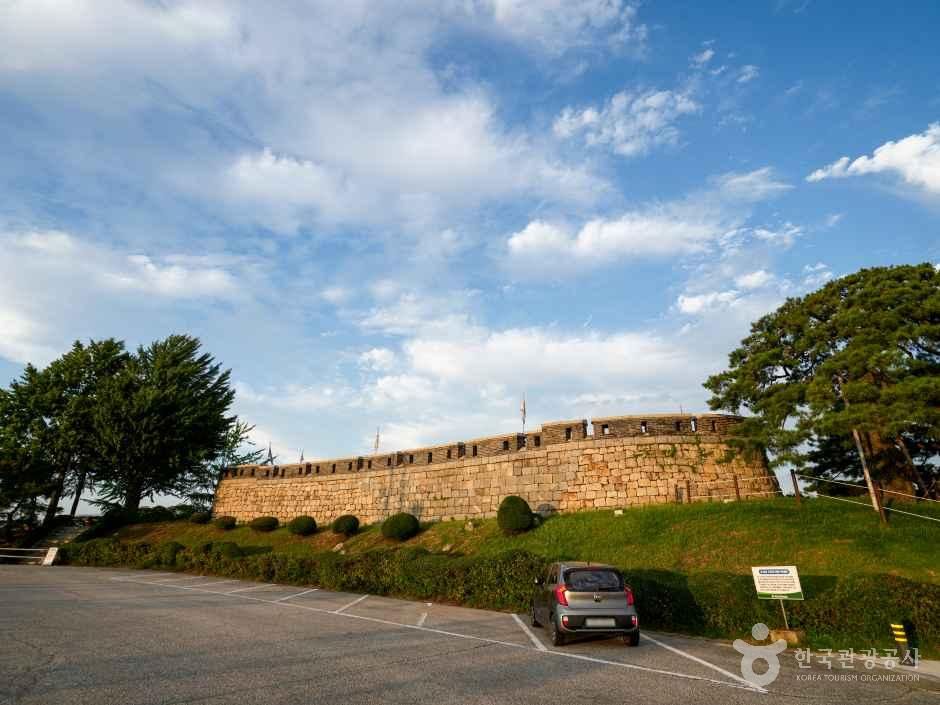
- Fortress Walls Chojijin’s robust defensive line, bearing the pain of history through repeated destruction and restoration.
- Cannons Cannons recreating their appearance from that era are displayed, allowing a glimpse into the resolute will of our ancestors who fought against foreign invasions.
- Old Site Through the ruins where military facilities were destroyed and the foundations of the fortress, one can imagine the grim situation of that time.
Steps Etching the Spirit of National Defense
Chojijin is not simply an old fortress site. The cannons displayed here and the restored fortress walls serve as a living textbook, transcending past pains to awaken future generations to the importance of peace and national defense. Visitors can directly see and feel the historical site here, reflecting on the meaning of the spirit of national defense.
Visiting Chojijin: Wise Guidance for Time Travelers
Ganghwa Chojijin, where you can walk through the historical site yourself, is located amidst Ganghwa-do’s beautiful nature, offering a place to enjoy a leisurely time along with historical exploration. This place offers different charms each season, but if you particularly wish to deeply experience its history, consider visiting during specific times.
Checklist for Best Enjoying Chojijin
- Allocate Sufficient Time Plan at least 1 hour to leisurely explore Chojijin, reflecting on its historical significance.
- Utilize Guided Tours If possible, listen to the hidden stories through on-site guided tours for a richer experience. Paid or free tours may be available.
- Combine with Nearby Attractions Visit with other bastions like Gwangseongbo and Deokjin Coastal Defense Post nearby to understand Ganghwa-do’s historical defense system at a glance.
- Wear Comfortable Attire Comfortable shoes and clothes suitable for walking along the fortress walls are recommended.
Recommended Visiting Seasons and Characteristics
| Season | Characteristics | Recommended Activities |
|---|---|---|
| Spring (April-May) | Pleasant weather, lush greenery | Fortress wall walk, historical site exploration |
| Summer (June-August) | Cool sea breeze, blue sky | Tidal flat experience (nearby), coastal scenery viewing |
| Autumn (September-October) | Cool and clear weather, autumn foliage | Intensive historical site exploration, photography |
| Winter (November-March) | Quiet and serene atmosphere | Reflecting on history, sunset viewing |
Chojijin is located in Choji-ri, Gilsang-myeon, Ganghwa-gun. If using public transport, you can take a bus from Ganghwa Terminal, or if driving, a free parking lot is available. For the exact location, it is recommended to check via a map app before visiting.
The Indomitable Spirit: The Eternal Echo of Ganghwa Chojijin
Ganghwa Chojijin is not merely a legacy of the past. It is a living site that reminds us of indomitable spirit and sacrifice, offering profound lessons to all of us who must steadfastly protect the future. Recalling the shouts of that day and the courage of the common people, mingled with the sound of the waves, we hope you will listen to the profound message that Chojijin conveys. Here, we hope you will reflect on our history and experience an unforgettable journey through time.
Frequently Asked Questions
Q1. Is there an admission fee to visit Chojijin?
Chojijin operates with an admission fee, and detailed rates Information can be found at the on-site information center or on the Ganghwa-gun Culture and Tourism website. Integrated tickets linked with other Ganghwa bastions are also available, which can make your visit more efficient.
Q2. Are there other historical sites worth visiting near Chojijin?
Yes, major defensive fortresses of Ganghwa-do such as Deokjin Coastal Defense Post and Gwangseongbo are located nearby Chojijin, which is very helpful for understanding Ganghwa-do’s historical defense system when visited together. They are 5-10 minutes away by car.
Q3. Which historical events are closely related to Chojijin?
Chojijin is a significant site in Joseon’s modern history that confronted foreign invasions, being the location of fierce battles with the US Marine Corps during the 1871 Shinmiyangyo, and the place where it was invaded by the Japanese ship Uneo-ho during the 1876 Uneo-ho Incident.
Q4. When is the best time to visit Chojijin?
Chojijin is good to visit all year round, but spring or autumn are especially recommended if you wish to explore leisurely in pleasant weather. It is also the optimal time to admire the scenery of the fortress walls harmonizing with the blue sea. However, as the sun can be strong in summer, it is advisable to bring a hat or parasol.
Q5. Are there any specific precautions to take when visiting Chojijin?
As it is a historical site, please be careful not to damage it and use the designated viewing paths. Additionally, as it is outdoors, it is advisable to wear appropriate attire for the season and comfortable shoes, and to check tour times or operating hours in advance.