
The vanished aspiration of the royal court, walking the traces of a millennium – Yangju Hoeamsa-ji


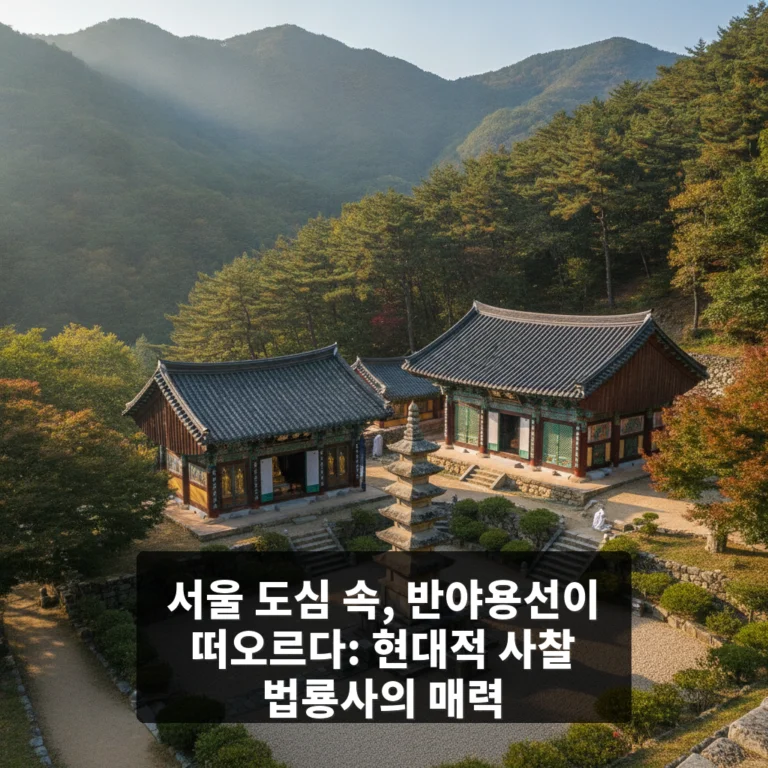
There is a place where the royal families of Goryeo and Joseon once prayed with utmost devotion, and despite its magnificent scale and profound historical significance, only its ruins remain today, awaiting visitors. This is Hoeamsa Temple Site in Yangju, Gyeonggi Province. This is not just a temple site, but a secret historical ground that breathed with the rise and fall of dynasties.
Hoeamsa Temple, which boasted its majesty as the largest royal temple and a prominent Seon (Zen) Buddhist temple from the late Goryeo to early Joseon periods. Once the central axis of royal Buddhism, this mysterious historic site, seemingly vanished amidst the storms of time and an unknown blaze, what stories does it hold?
Now is the time to explore its magnificent past and present value, and listen to the thousand-year whispers that Hoeamsa Temple Site in Yangju tells. Let’s wander through the forgotten dreams of the royal family in this place that stimulates historical imagination.
The Secret of the Largest Royal Temple That Vanished, Embracing the Rise and Fall of Dynasties
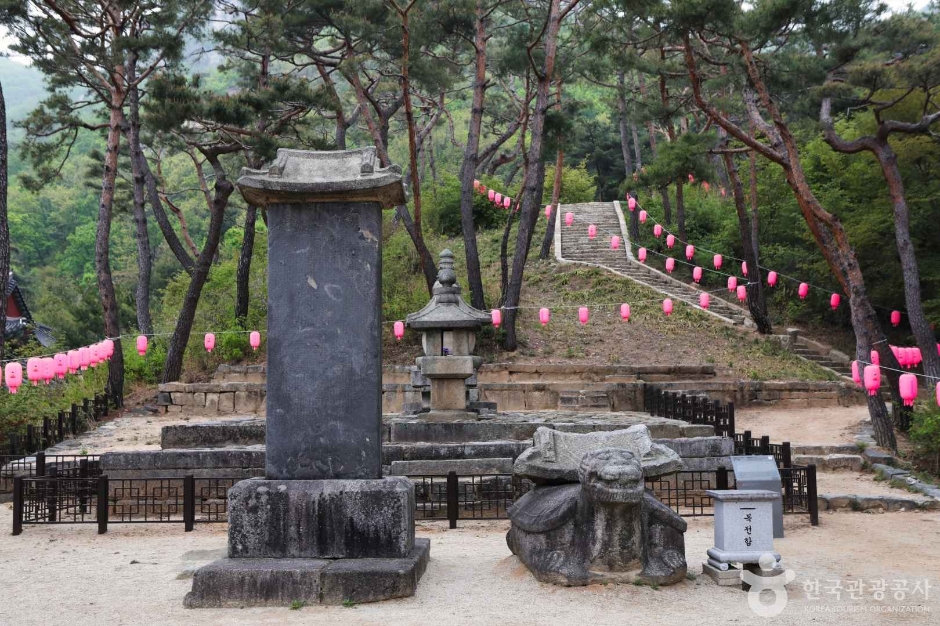
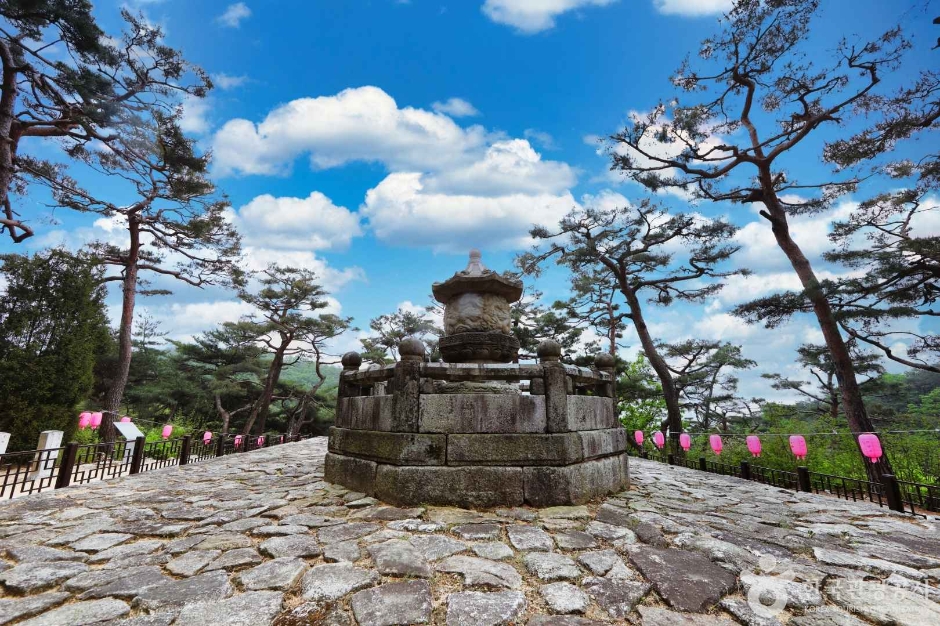
Located near Oksan New Town in Yangju, Hoeamsa Temple Site in Yangju is the largest royal temple and a Seon (Zen) Buddhist temple site that boasted its grandeur from the late Goryeo to early Joseon periods. Its origins date back to the 12th century, and Naong Seonsa (monk), who received teachings from Indian monk Jigong Seonsa (monk) in the late Goryeo period, extensively rebuilt it in the 14th century, revealing its majestic presence.
Royal Figures Who Illuminated Hoeamsa Temple
- Jigong Seonsa: A venerable monk who came from India and sowed the seeds of Buddhism in Goryeo.
- Naong Seonsa: A disciple of Jigong Seonsa, he extensively rebuilt Hoeamsa Temple, making it a center of Buddhism.
- King Taejo Yi Seong-gye: A place where he prayed for the nation’s destiny with Monk Muhak, he found spiritual peace here after abdicating and residing as King Emeritus.
- Grand Prince Hyoryeong: Elder brother of King Sejong, he was deeply devout and dedicated efforts to the reconstruction of Hoeamsa Temple.
- Queen Jeonghui: Consort of King Sejo, she contributed to elevating the status of Hoeamsa Temple.
- Queen Munjeong: Consort of King Jungjong and mother of King Myeongjong, she undertook large-scale Buddhist projects at Hoeamsa Temple, making it the foremost training ground in the nation. Her devotion led to Hoeamsa Temple’s golden age.
Until the 17th century, this place, which even housed the Eosil (royal shrine) enshrining the spirit tablets of successive kings and queens, was the central axis of Joseon royal Buddhism. However, not long after Munjongwanghu‘s death, it met the unfortunate fate of being abandoned due to the suppression of Buddhism policy and a fire of unknown origin. The mystery of that fire remains unsolved, casting a deep enigma over the historic site.
Is it a Temple or a Palace? Astounding Architectural Traces Revealed by Excavation
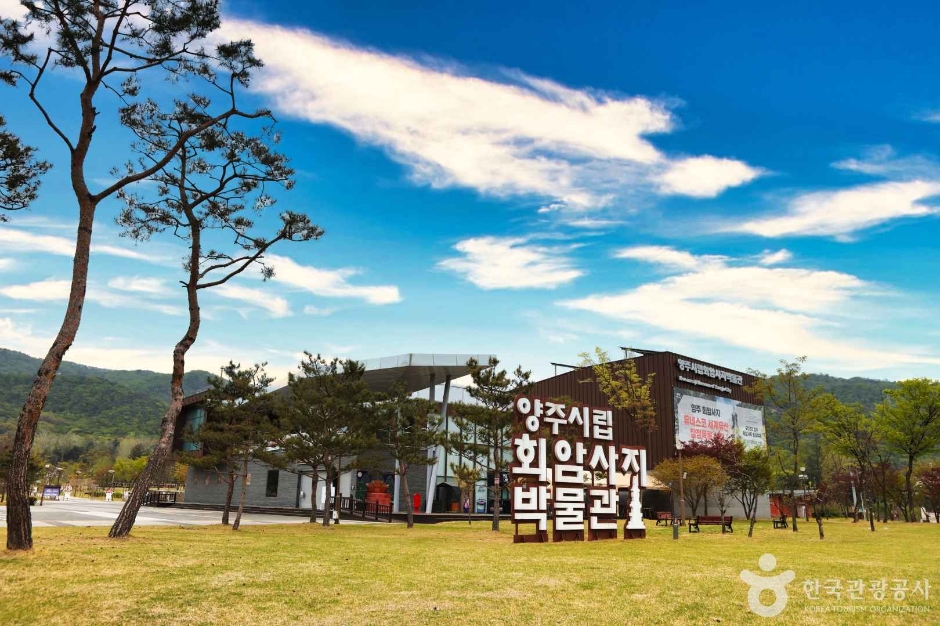
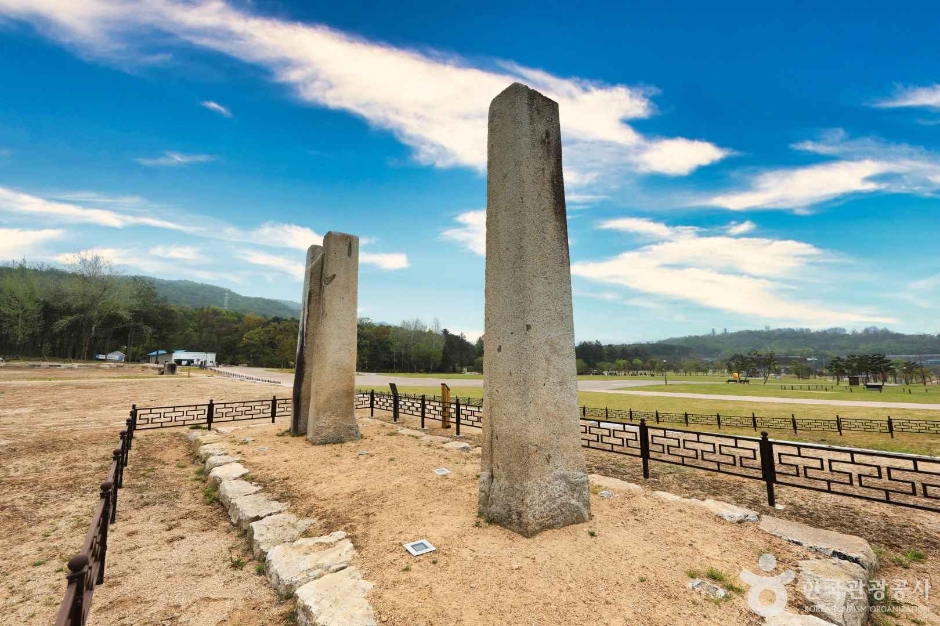
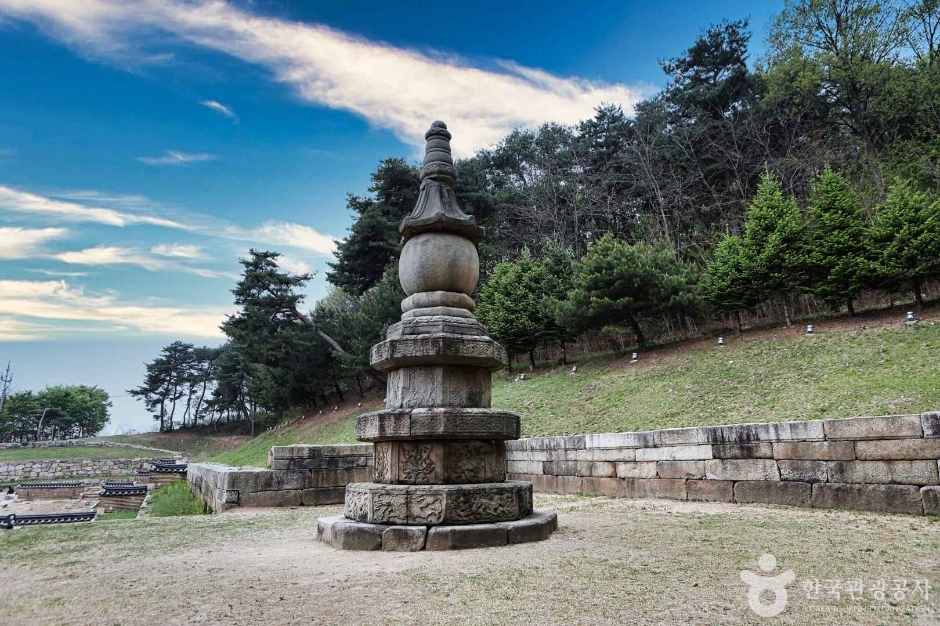
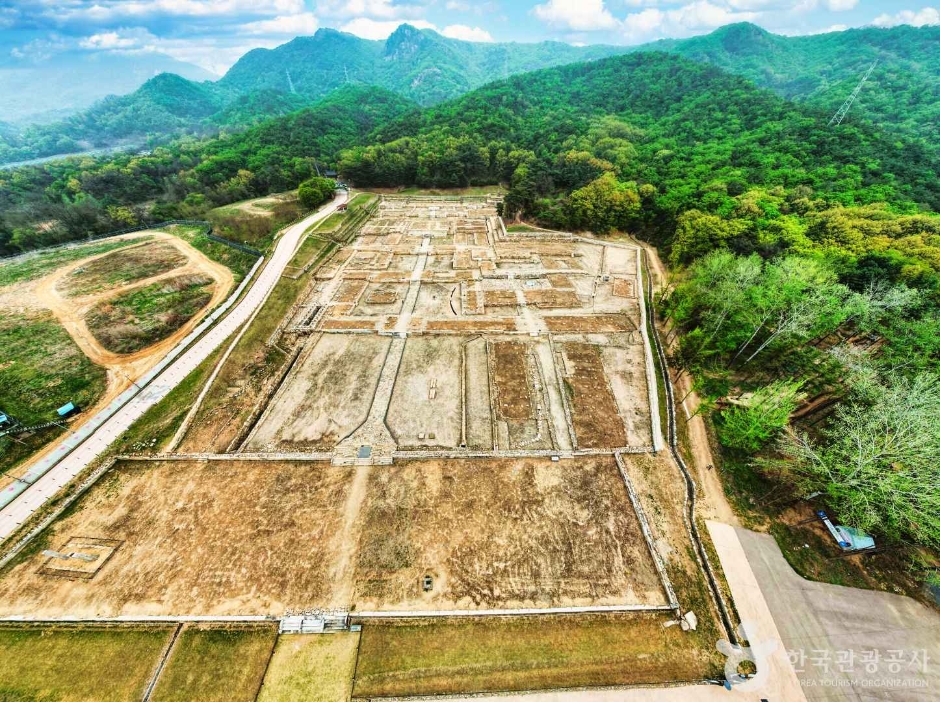
Hoeamsa Temple Site in Yangju, which had been buried in the soil for a long time, surprised the world as its true nature was revealed through excavation. This is because it possessed characteristics distinctly different from typical temples, incorporating both palatial architectural elements and the prevalent style of Seon (Zen) Buddhist temples in 13th-14th century East Asia. Precious artifacts, such as roof tiles and ceramics exclusively used by the royal family, were also unearthed.
Unique Architectural Features Found at Hoeamsa Temple Site
| Category | Discovered Features | Historical Significance |
|---|---|---|
| Architectural Style | Structure resembling palatial architectural elements | Proves it was a top-tier temple directly involved in and supported by the royal family |
| Layout and Scale | Typical appearance of Seon (Zen) Buddhist temples in 13th-14th century East Asia | Suggests it was a center for international Buddhist cultural exchange at the time |
| Excavated Artifacts | Numerous precious artifacts, including royal-exclusive roof tiles and high-grade ceramics | Reflects the dignity and authority of the royal family, not found in ordinary temples |
These discoveries clearly show that Hoeamsa Temple Site in Yangju was more than just a temple; it was a massive structure and cultural center that served as a spiritual sanctuary for the royal family and where prayers for national peace were offered. As you walk through this place, you will feel as if you’ve traveled through time, experiencing the glory of the Goryeo and early Joseon royal families right before your eyes.
History Encountered at Hoeamsa Temple Site, and Convenient Visiting Tips
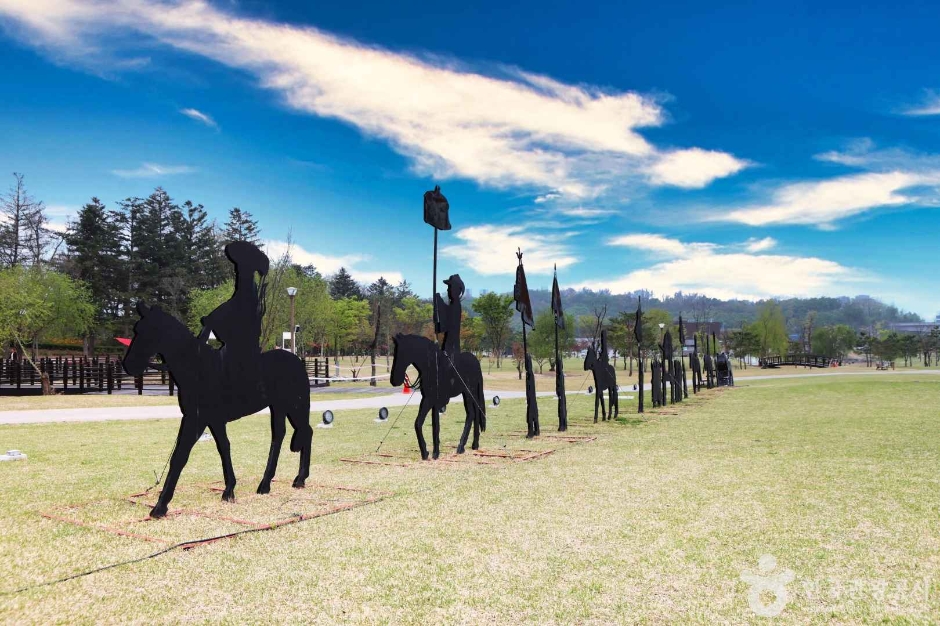
Directions to Hoeamsa Temple Site in Yangju
Hoeamsa Temple Site in Yangju, located in Yangju City, Gyeonggi Province, is easily accessible by both public transport and private car. You can enjoy rich historical learning by exploring not only the expansive historic site but also the well-maintained Hoeamsa Temple Site Museum.
Checklist for a More Fruitful Exploration
- Check information beforehand: Before visiting, it’s advisable to check opening hours, fees, and guided tour availability on the Yangju City Hall Culture & Tourism website or the Hoeamsa Temple Site Museum website. There might also be special exhibitions or events.
- Comfortable shoes are essential: To leisurely explore the expansive historic site, it’s best to wear comfortable sneakers or walking shoes. Please note that some areas of the site may have slopes.
- Seasonal preparations: On sunny days, a hat or sunscreen is needed, and in winter, warm clothing is essential. As the historic site has many open spaces, it’s important to be prepared for weather changes.
- Utilize guided tour programs: Participating in on-site guided tour programs allows for a more vivid understanding of the historical stories contained within the historic site, thanks to expert explanations. Most are operated free of charge, and the schedule can be checked on-site.
- Combine with nearby attractions: Planning your itinerary to include other nearby attractions such as Yangju Art Center or Yangjuhyanggyo, in addition to the Hoeamsa Temple Site Museum, will allow for a richer historical and cultural travel experience.
Frequently Asked Questions
Q1. Why is Hoeamsa Temple Site in Yangju historically significant?
Hoeamsa Temple Site played a central role in royal Buddhism as the largest royal temple and a Seon (Zen) Buddhist temple from the late Goryeo to early Joseon periods. In particular, it is an important historic site that demonstrates it was a political, social, and cultural center at the time, where various royal figures, including King Taejo Yi Seong-gye and Queen Munjeong, conducted Buddhist rites and prayed for the nation’s destiny.
Q2. Who founded and rebuilt Hoeamsa Temple?
The founding period of Hoeamsa Temple is estimated to be the 12th century, and it was extensively rebuilt in the 14th century by Naong Seonsa, a disciple of the Indian monk Jigong Seonsa, according to the latter’s wishes, greatly expanding its scale.
Q3. What was the exact reason for Hoeamsa Temple’s abandonment?
After Queen Munjeong’s death, it was abandoned due to a large-scale fire of unknown origin, coinciding with Joseon’s policy of suppressing Buddhism. There are only various speculations regarding the exact cause of the fire, and nothing has been clearly revealed to date.
Q4. What artifacts were mainly excavated from Hoeamsa Temple Site?
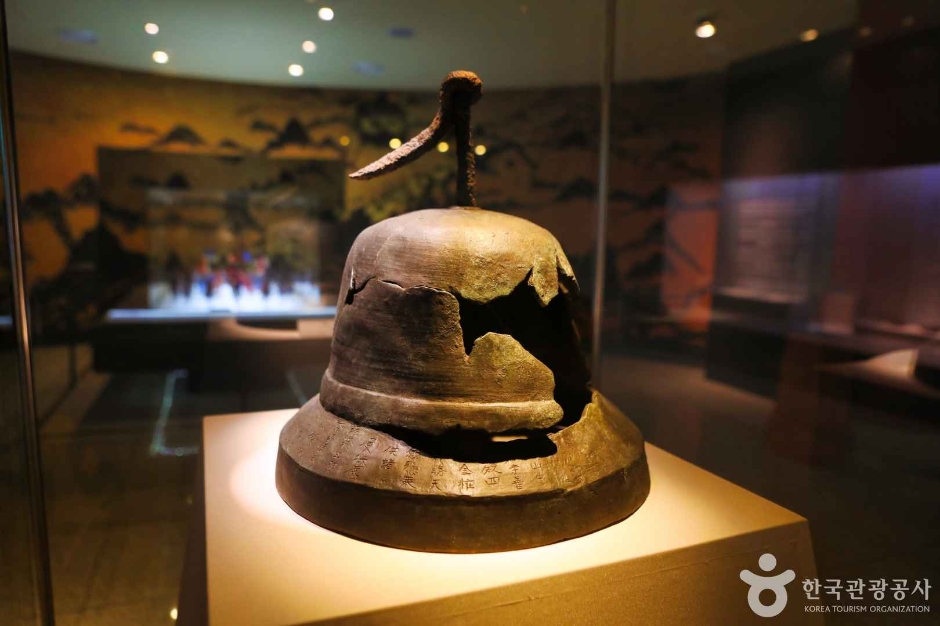
At Hoeamsa Temple Site, numerous precious artifacts, including traces of palace architecture rarely found in ordinary temples, as well as high-grade roof tiles and ceramics exclusively used by the royal family, were unearthed, giving an insight into the dignity and cultural standards of the royal family at the time.
Q5. Should I also visit the museum when visiting Hoeamsa Temple Site in Yangju?
Yes, the Hoeamsa Temple Site Museum systematically displays excavated artifacts and explains the history and value of Hoeamsa Temple in detail, so it is highly recommended to visit it before or after exploring the historic site. It greatly aids in understanding the site.