Whispers of the 810-year-old zelkova tree, a journey to discover Daejeon’s history


In your busy daily life, have you ever paused and listened to the quiet whispers that hold hundreds of years of time? Perhaps within the familiar cityscapes we’ve passed by, there might be traces of a very deep and brilliant history. Today, we’ll embark on a special journey to **the path to discovering Daejeon‘s history**, heading to Biamsa Temple, which wholly preserves the weight of time.
Standing in the temple courtyard of Biamsa, an 810-year-old zelkova tree seems to quietly recount stories of ages past. The wind seeping through its thick, solid trunk and lush leaves offers a mysterious moment of communion that connects the past and present. Beyond a simple visit, how about we embark together on a profound journey that re-examines the meaning of living today within history?
Finding life’s wisdom in the history contained within every stone on the path, every single tree. I believe this is the greatest gift **the path to discovering Daejeon’s history** offers us.
Healing Road Walking Through Time, The Legend of Biamsa Temple’s Zelkova Tree
The core of **the path to discovering Daejeon’s history** lies in Biamsa Temple. This place is more than just a temple; it is a special space created by the harmony of nature and history that has endured for a long time. The 810-year-old zelkova tree towering in Biamsa Temple’s courtyard is a living history book in itself, offering both awe and tranquility to all who visit.
The 810-Year-Old Zelkova Tree, Its Quiet Presence
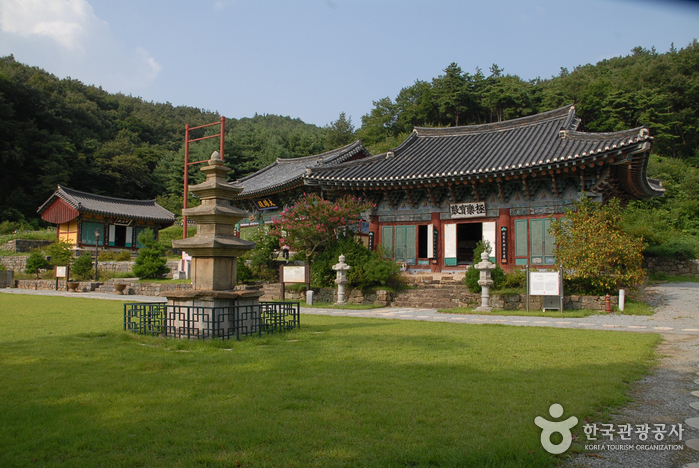
- Overwhelming Presence Located in the center of the temple courtyard, it boasts a magnificent appearance that has withstood the trials and tribulations of countless years.
- Historical Symbol It is living evidence that has been with Biamsa Temple since its founding period and silently shows the depth of history embedded in this land.
- Majesty of Nature Its steadfast appearance through seasonal changes provides visitors with deep emotion and an opportunity for reflection.
Stand under the zelkova tree and gently close your eyes. You will have a mysterious experience as if countless stories, observed by this tree from the Silla Dynasty to Goryeo, Joseon, and the modern era, are carried on the sound of the wind. This is the most fitting place for the saying, “History resides everywhere in this land.”
The Way to Biamsa Temple: A Peaceful Journey into Nature
Biamsa Temple, where tranquility and history coexist, is a little far from Daejeon city center, but its accessibility is not bad, making it perfect for an outing. As it forms a part of **the path to discovering Daejeon’s history**, the very process of escaping the city noise and entering nature becomes healing itself.
Planning Your Own Biamsa Temple Visit Route
- When using public transportation We recommend checking Daejeon city bus routes to reach a nearby stop and then walking up a quiet road as if taking a stroll. While walking, you can appreciate the surrounding scenery and prepare your mind.
- When using a private car You can conveniently navigate by searching for ‘Biamsa Temple’ in your navigation system. Parking is provided, so you can visit without burden and it’s good for connecting with nearby driving courses.
- Bicycle riding Enjoying bicycle riding along the surrounding forest roads is also a good method. You can have a special experience enjoying nature to the fullest while breathing clear air.
Please refer to the map below for the exact location of Biamsa Temple. As it is deeply located in nature, even the way there will be full of tranquility.
Suggested Daejeon History Exploration Course with Biamsa Temple
Based on the inspiration gained from Biamsa Temple, we introduce surrounding connected courses that will make **the path to discovering Daejeon’s history** even richer. Plan a fulfilling journey where you can enjoy both history and nature for a day.
Half-day vs. Full-day Course Comparison
| Course Type | Recommended Route | Main Attraction |
|---|---|---|
| Half-day Leisure Course | Biamsa Temple → Nearby cafe or Forest path walk | Receive the energy of the zelkova tree and spend time in quiet reflection in nature. Finish leisurely with a simple cup of tea. |
| Full-day Rich History Course | Biamsa Temple → Gyejoksan Loess Trail → Uam Historic Park | Start at Biamsa Temple, walk the famous Gyejoksan Loess Trail barefoot for natural healing. Add historical depth at Uam Historic Park, where traces of Joseon Dynasty Confucianism remain. |
Gyejoksan Loess Trail: Barefoot Experience in the Forest
- Natural Healing You can relieve stress and purify your body and mind by walking barefoot on the soft loess trail.
- Outstanding Scenery Beautiful scenery unfolds while walking along the lush forest path, delighting both your eyes and mind.
Uam Historic Park: Footprints of Joseon Confucianism
- History Education This is a historic site related to Scholar Uam Song Si-yeol, a Confucian scholar of the late Joseon period. You can glimpse his thoughts and academic achievements.
- Beautiful Landscaping Traditional buildings, a pond, and a garden harmonize to create a tranquil atmosphere. It’s good for a walk.
Through these connected courses, you can not only visit Biamsa Temple but also experience the diverse charms of Daejeon and truly complete **the path to discovering Daejeon’s history**.
Don’t Miss It! Tips for Visiting Biamsa Temple
Before visiting Biamsa Temple, knowing a few tips can help you have an even richer time. Prepare to deeply connect with the 810-year-old zelkova tree in a peaceful atmosphere.
Biamsa Temple Visit Checklist
- Comfortable Shoes It’s good to wear comfortable walking shoes, as you might leisurely look around the temple area and walk on forest paths.
- Maintain Quietness Temples are places of practice, so it is important to maintain a quiet and reverent attitude for other visitors.
- Seasonal Charms It offers different beauty each season: green sprouts in spring, lush greenery in summer, autumn leaves in fall, and snowy scenery in winter. Autumn foliage, in particular, is at its peak.
- Photo Taking Feel free to capture the beautiful scenery, but when photographing Buddha statues or inside the main hall, it is good manners to ask for permission in advance or refrain from using flash.
- Prepare Drinks/Snacks Since there are not many convenience facilities nearby, we recommend preparing and bringing simple water or snacks in advance. However, you must take your trash back with you.
Biamsa Temple is open free of charge without an entrance fee, and you can usually visit freely from dawn till dusk. Detailed operating hours may vary by season, so it is good to check before visiting. Here, find true rest and reflect on the meaning of **the path to discovering Daejeon’s history**.
Frequently Asked Questions
Q1. How old exactly is Biamsa Temple’s zelkova tree?
The zelkova tree standing in Biamsa Temple’s courtyard is officially known to be 810 years old. This tree, which has silently watched over for nearly a thousand years, can be called a living historical witness in itself.
Q2. Is there an entrance fee to visit Biamsa Temple?
No, Biamsa Temple is currently open free of charge without an entrance fee. Anyone can freely visit to feel the energy of the zelkova tree and enjoy the tranquil temple atmosphere.
Q3. Are there places to eat near Biamsa Temple?
Commercial facilities are not many around Biamsa Temple, as it is located in nature. We recommend preparing simple water or snacks in advance, or eating after returning to Daejeon city center. Occasionally, there may be a dining hall operated by the temple, but it may not be for general visitors.
Q4. What are some good historical attractions in Daejeon to explore along with Biamsa Temple?
If you want to walk **the path to discovering Daejeon’s history** along with Biamsa Temple, we recommend enjoying nature on the Gyejoksan Loess Trail or visiting Uam Historic Park, where you can feel the traces of Scholar Uam Song Si-yeol. Both places are located not far from Biamsa Temple.
Q5. What is the best season to visit Biamsa Temple?
Biamsa Temple offers different beauty throughout all four seasons, but you can appreciate an even more fantastic scenery if you visit especially during autumn foliage when it forms a spectacular view. Summer with lush green foliage is also good, and the tranquil snowy scenery of winter is also attractive.