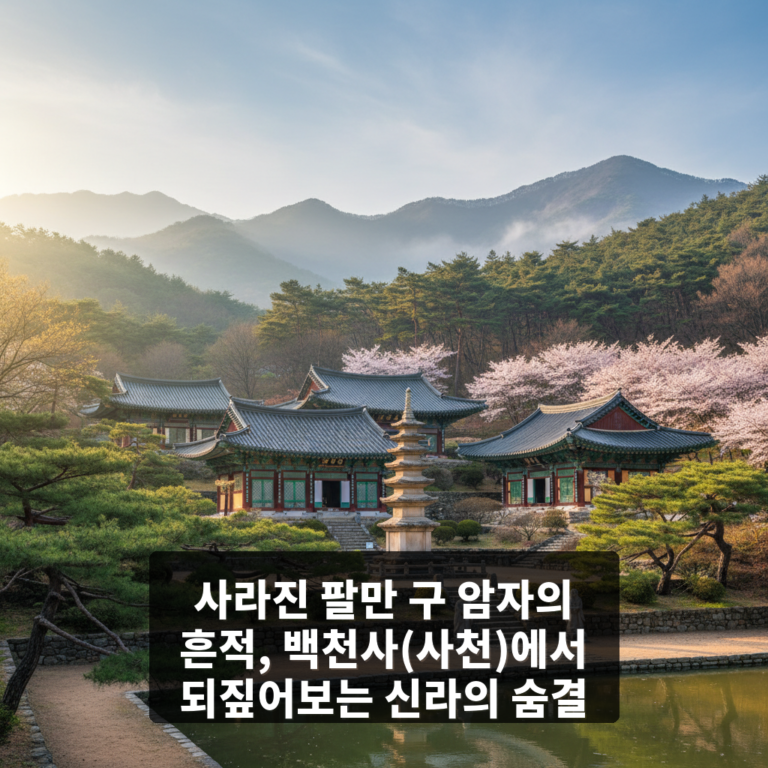

Wonju Geodonsaji, a story of forgotten time whispered by the thousand-year-old ancient temple site


Deep within peaceful Gangwon Special Self-Governing Province, Wonju, nestled at the foot of Hyeonsan Mountain, Wonju Geodonsaji fully embraces the traces of a lost thousand-year-old temple. As if becoming a time traveler and returning to the past, the grandeur of the old temple’s reputation permeates every stone and every site, welcoming visitors as it is.
It is not a desolate vacant lot, but a mysterious space where fragments of forgotten history finally come together to paint a complete picture in the present. Along with Heungbeopsaji and Beopcheonsaji, what stories does this temple site, which offers a glimpse into the brilliant Buddhist culture of the Wonju area, truly hold?
In this place, where traces of ancient history are found with every step, we delve deeply into all aspects of Wonju Geodonsaji for those who wish to feel the timeless breath of the temple.
A Thousand Years’ Breath Bloomed from Moss-Covered Stone Crevices
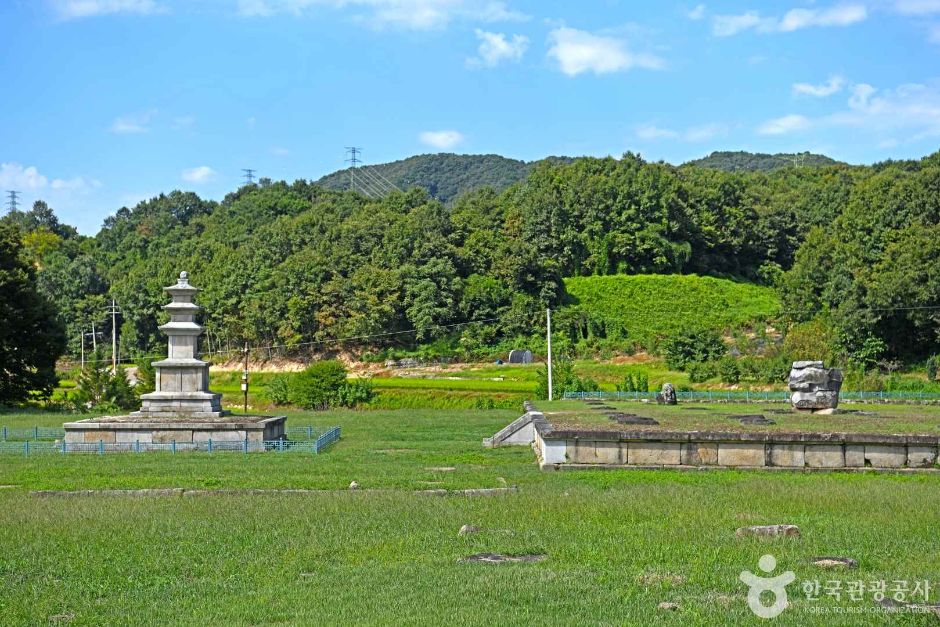
Wonju Geodonsaji is not an nameless wasteland, but a place where history, long dormant, has been vividly resurrected through excavation. Four excavation surveys conducted by Hallym University Museum from 1989 to 1992 brought the hidden stories of this place to light.
Excavated artifacts revealed that Geodonsa was first established around the 9th century, in the late Unified Silla period, and was extensively expanded and renovated in the early Goryeo period, maintaining its lineage until the Joseon Electricity. The layers of time, fully condensed with the rise and fall of a prosperous temple, were finally revealed through the excavation.
Geodonsa, Following the Flow of Time
| Period | Main Activities |
|---|---|
| Late Unified Silla (circa 9th century) | Presumed First Establishment |
| Early Goryeo | Temple Expansion and Renovation |
| Early Joseon | Confirmation of Temple Maintenance and Function |
The Quiet Legend Guarded by the Zelkova Tree
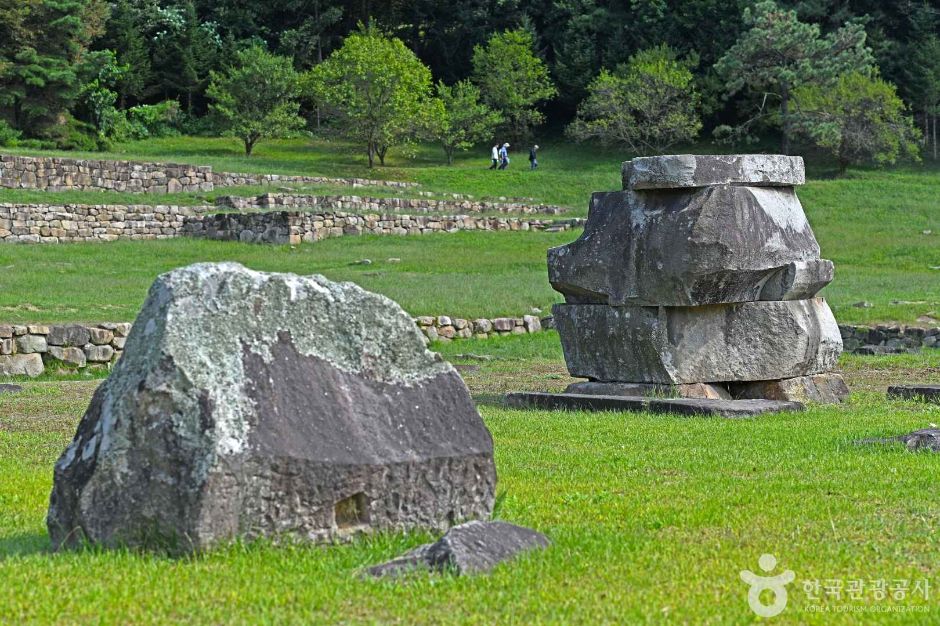
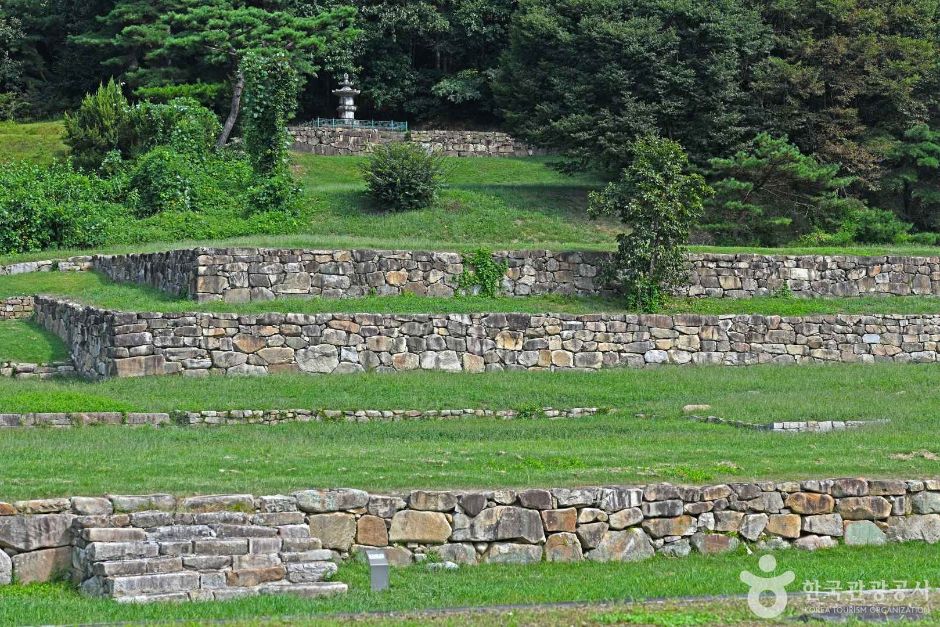
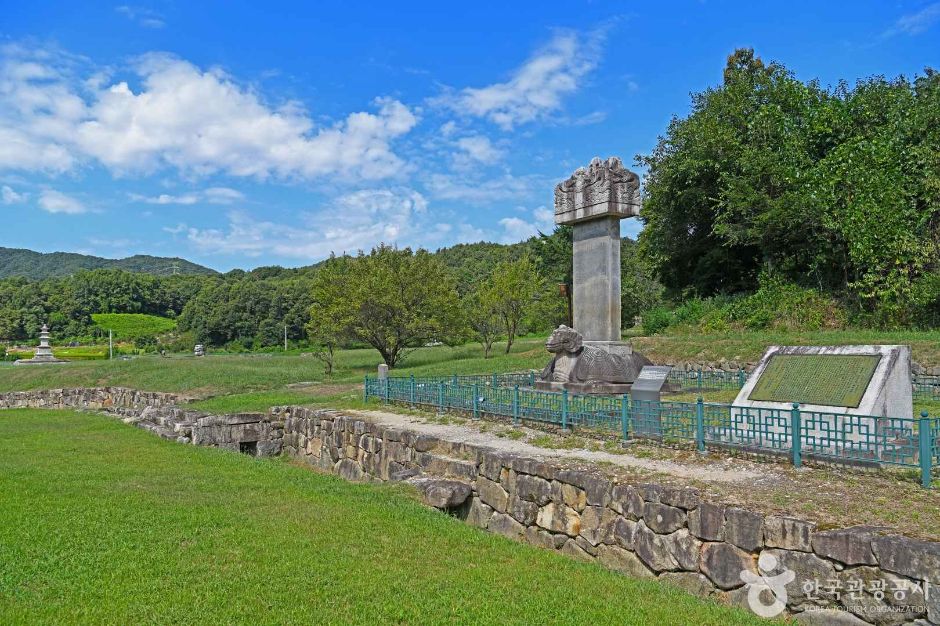
Upon arriving at Wonju Geodonsaji, the first thing to greet visitors is a stone embankment meticulously built with natural stones. At its edge, a thousand-year-old zelkova tree, designated as a protected tree by Wonju City, stands silently, exuding a steadfast aura as if it has guarded this site for ages. This zelkova tree has shared the history of Geodonsa, casting shade over the temple site with its lush foliage.
Noble Beauty: Three-Story Stone Pagoda and Main Hall Site
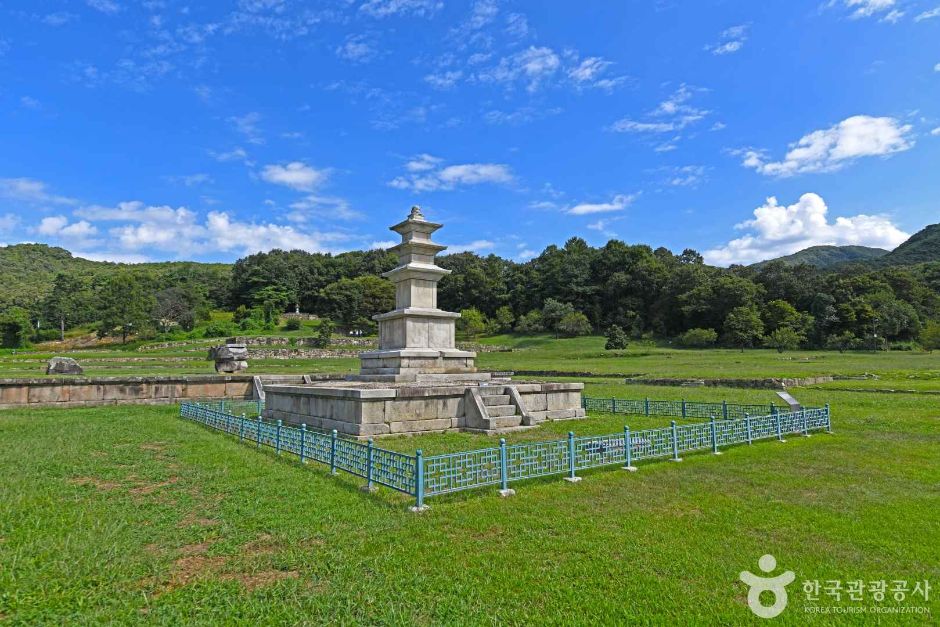
Passing the stone embankment and ascending the stone steps, visitors are greeted by the simple yet dignified Geodonsaji Three-Story Stone Pagoda. Although its exact age is unknown, this three-story stone pagoda, presumed to be from around the 9th century, beautifully exhibits the style of Silla-era stone pagodas, standing in a tranquil site and conveying the breath of the past.
Behind the three-story stone pagoda, the site of the Geodonsaji Main Hall, which was the central space of the temple, spreads out widely. Although it remains a vacant lot today, excavation results suggest it was a two-story building with five bays in the front and three bays on the side. Standing there and imagining the magnificent old appearance of the Buddha hall, where Buddha was enshrined, one can feel the moving sensation of a forgotten piece of history vividly coming to life.
A Path Through Time: How to Get to Wonju Geodonsaji
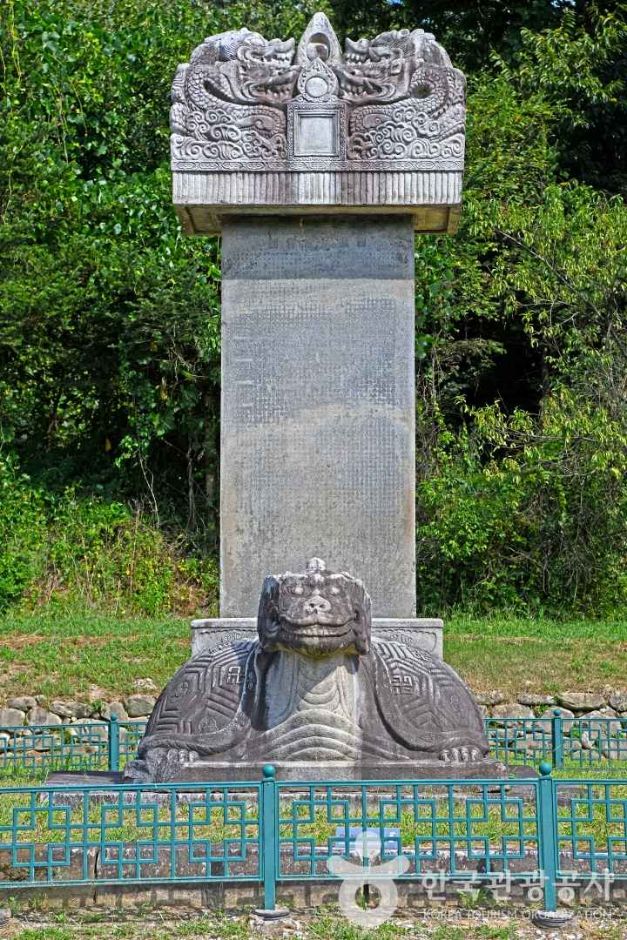


Located at the foot of Hyeonsan Mountain, in Beopcheon-ri, Buron-myeon, Wonju-si, Gangwon Special Self-Governing Province, Wonju Geodonsaji is more convenient to access by car than by public transportation, and offers a more special journey, blending with the serene surrounding landscape. Enter the address into your navigation system and visit with a relaxed mind.
Tips for a Peaceful Journey
- Walk Lightly The temple site has many dirt paths and stone steps, so it is recommended to wear comfortable and easy-to-walk shoes.
- Enjoy the Seasonal Changes The lush greenery in spring and the vibrant autumn foliage create magnificent scenery, allowing you to experience different charms each season.
- Consider Visiting Hours To fully enjoy the tranquility, early morning or late afternoon visits are recommended. The sunset view is also superb.
- Historical Imagination Read the explanations on the signboards placed around and imagine the magnificent appearance of the old temple. The vacant lot will become a living story.
- Combine with Nearby Tourist Attractions Visiting other ruined temple sites in Wonju, such as Heungbeopsaji and Beopcheonsaji, will make for an even richer historical exploration.
Surrounding Scenery Embracing Past Glory
If you still feel a longing after exploring Geodonsaji, you can embark on another journey by finding hidden gem-like attractions nearby. Plan a trip with various themes centered around Wonju Geodonsaji.
A Path Where History and Nature Harmonize
- Heungbeopsaji is considered one of Wonju’s three major ruined temple sites alongside Geodonsaji, where you can find splendid Buddhist relics from the Goryeo period, such as the national treasure-class stupa of Master Yeomgeo and the stele of Master Jingong.
- Beopcheonsaji is also one of Wonju’s three major ruined temple sites, where the national treasure Stele for State Preceptor Jigwang Hyeongmyo is located, making it a historical site where you can glimpse the essence of brilliant Goryeo Buddhist culture.
- Ganhyeon Tourist Area offers various activities like the Sogeumsan Suspension Bridge and rail bikes, making it great for adding vitality after a historical exploration. You can simultaneously enjoy thrilling experiences and beautiful natural scenery.
- Museum SAN is a space where architecture, nature, and art harmoniously blend, excellent for gaining cultural inspiration while appreciating works by famous domestic and international artists and beautiful gardens. It is a popular spot that attracts visitors throughout all four seasons.
Frequently Asked Questions
Q1. What is the admission fee for Wonju Geodonsaji?
Wonju Geodonsaji is currently a free-to-enter, open space with no admission fee. Anyone can freely visit to explore the traces of the thousand-year-old temple and experience its history.
Q2. Is there sufficient parking space when visiting Geodonsaji?
Yes, there is a large free parking area available for visitors at the entrance of Geodonsaji. Visitors using private cars can use it conveniently.
Q3. Are there places to eat around Geodonsaji?
There are not many restaurants around Geodonsaji, so it is recommended to eat before your visit or find a meal in downtown Wonju. It’s a good idea to prepare simple snacks or drinks in advance.
Q4. How long does it take to explore Geodonsaji?
Exploring Geodonsaji itself takes approximately 30 minutes to 1 hour. It’s good to take your time and enjoy the surrounding zelkova tree, stone pagoda, and main hall site.
Q5. Is it accessible for wheelchairs or strollers?
Geodonsaji consists of stone embankments made of natural rock, dirt paths, and stone steps, which may make it somewhat inconvenient for wheelchair or stroller use. Please note that some sections may be difficult to navigate.