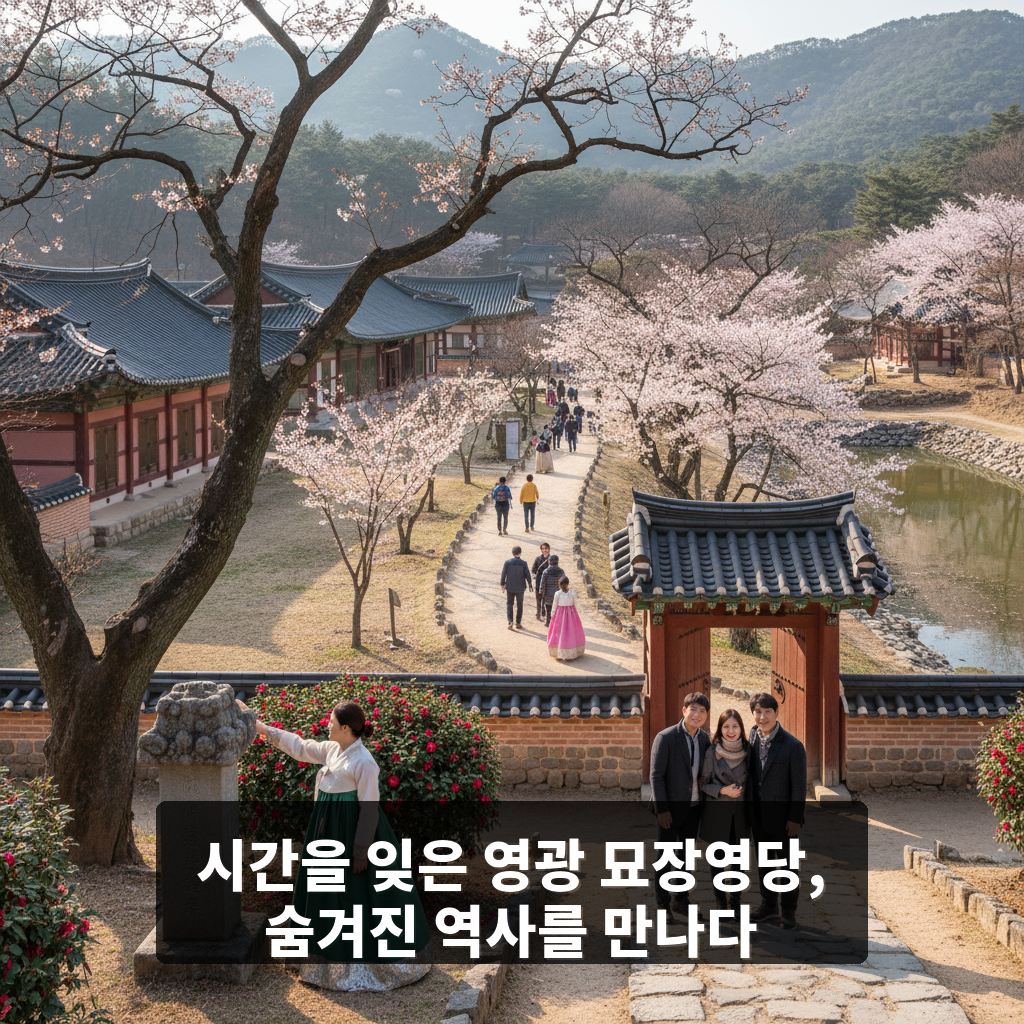
Myojangyeongdang, the glory forgotten by time, encounter hidden history


In landscapes that feel both familiar and unfamiliar, an inexplicable thrill runs through you when you encounter a place that perfectly preserves the breath of a long history. In Yeonggwang, Jeollanam-do, there is a place where the portrait of Yi Cheon-u, a meritorious subject who helped found the Joseon Dynasty, is enshrined, and that place is Myojangyeongdang.
Though it may seem ordinary, the stories contained within it transcend time from the 17th century to the present, reminding us of values that should never be forgotten. What noble spirit and wisdom are truly enshrined here?
From now on, let’s explore together the traces of the past and the present value held by Myojangyeongdang, uncovering its hidden stories one by one.
Joseon Founding Meritorious Subject Yi Cheon-u, Following His Noble Traces
Myojangyeongdang is a historic space established in 1616 (8th year of King Gwanghaegun) to enshrine the portrait of a prominent figure. The protagonist is General Yi Cheon-u, a meritorious subject who helped found the Joseon Dynasty, and he was a heroic figure who made significant contributions in subduing the Japanese invaders prevalent in the Jeolla region.
Yeonggwang, Why Did It Settle Here?
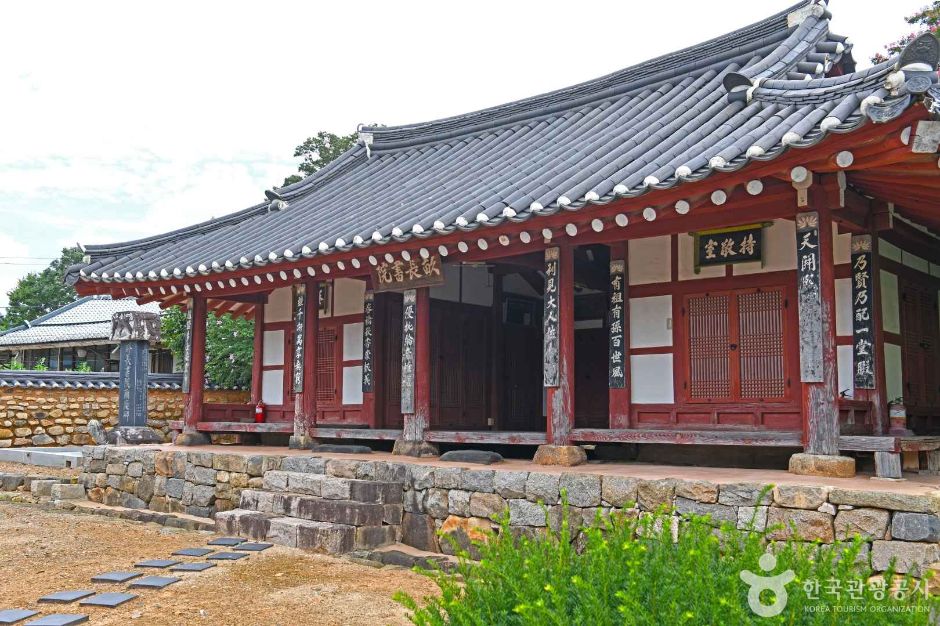
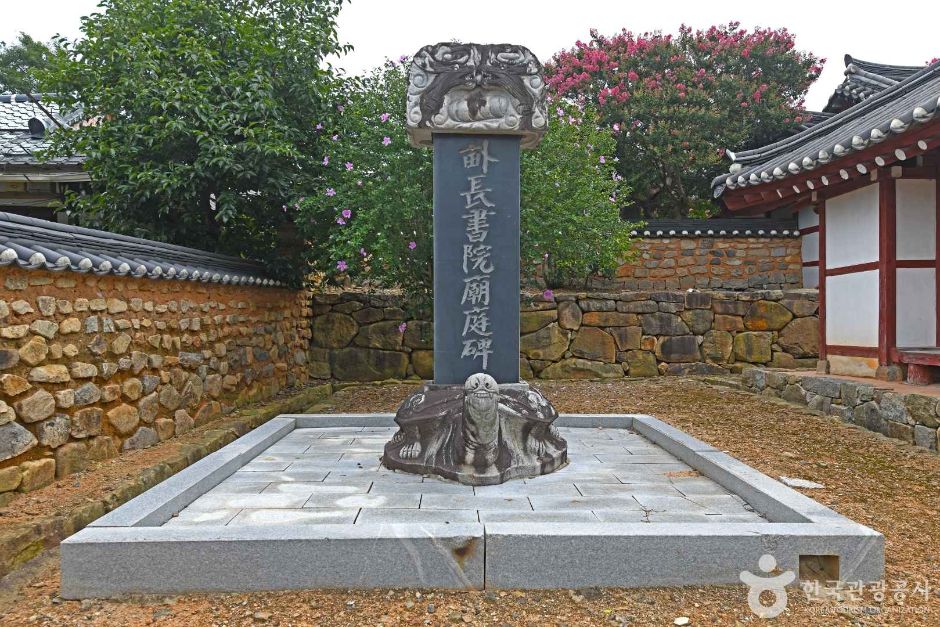
As his descendants, who originally resided in Damyang, relocated to Yeonggwang, they gathered with local Confucian scholars to establish a shrine here to enshrine the general’s portrait. This was more than just a building; it was an act imbued with a deep desire to honor the spirit of a figure who dedicated himself to the nation and to convey his will to future generations.
Myojangyeongdang is a living testament to the loyalty and patriotism of General Yi Cheon-u, and it also played a significant role as an ideological center for local Confucian scholars at the time.
The Aesthetics of Architecture, Shining Even Through Times of Adversity
Throughout its long history, Myojangyeongdang also had to endure trials. During the late Joseon period, it unfortunately suffered the pain of demolition, and its lecture hall temporarily served as a private village school. However, its spirit did not disappear. Discussions for reconstruction began in 1928, and finally, in 1934, the shrine hall (shinsil) was rebuilt, restoring its grandeur.
The Secret of the Space Revived through Reconstruction
Klook.com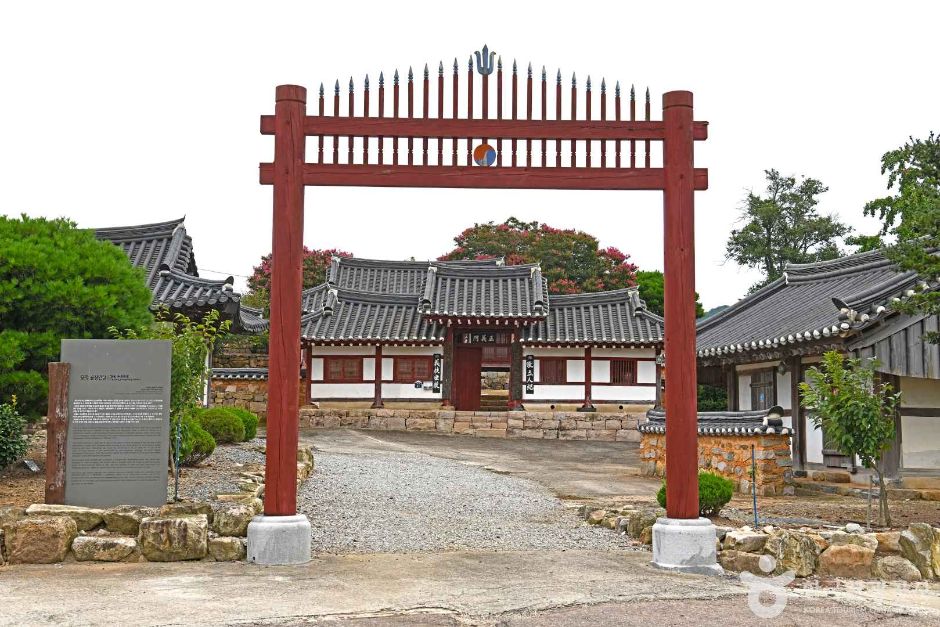
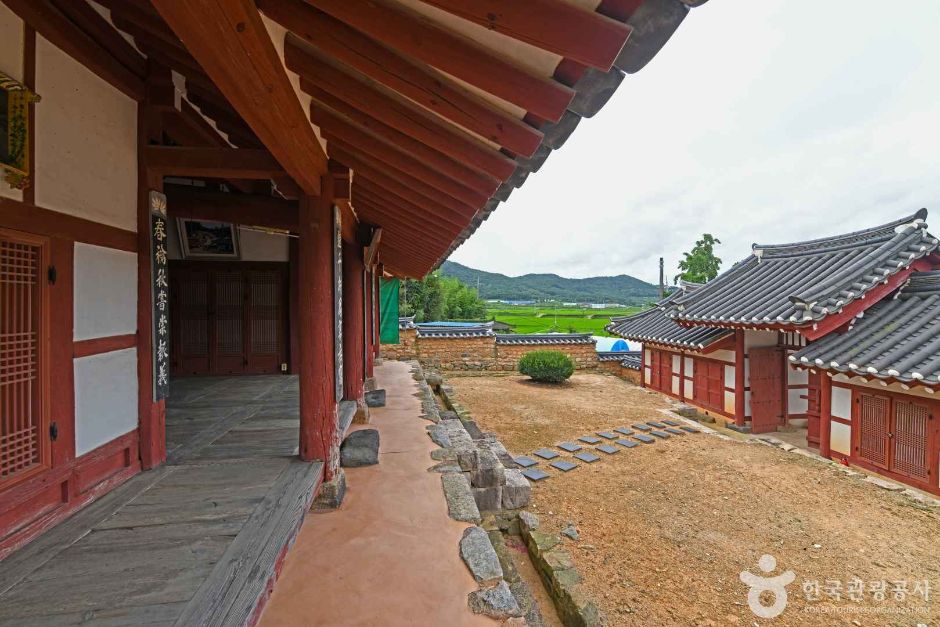
The architecture of Myojangyeongdang goes beyond simple restoration, boasting an exquisite craftsmanship that reveals the wisdom of ancient ancestors. In its building arrangement, a clear central axis is established, providing overall structure and stability, and the structure of each building also maintains a harmonious form without undue effort. Since its reconstruction, its preservation and management status has been excellent, allowing visitors to vividly experience the architectural style and spirit of the ancestors from that era.
Key Architectural Features of Myojangyeongdang
- Central Axis Arrangement Provides stability and orderly composition to the entire building, offering visual comfort.
- Stable Structure Each building is harmoniously and stably arranged, demonstrating robustness capable of enduring the elements over long periods.
- Excellent Preservation and Management Thanks to continuous management since its reconstruction, both related materials and the building itself are well-preserved, close to their original state.
Ways to Deeply Enjoy Myojangyeongdang
Myojangyeongdang, where one can simultaneously feel historical significance and beautiful architectural aesthetics, offers a valuable experience that goes beyond mere viewing, helping to understand our history and culture. When visiting this place, try using the following tips.
Yeonggwang Myojangyeongdang, Explore it like this!
- Learn the Historical Background in Advance If you learn about General Yi Cheon-u’s life, his achievements in subduing Japanese invaders, and the story of Myojangyeongdang’s establishment and reconstruction before your visit, you can gain deeper emotion and insight.
- Explore Architectural Elements It’s quite enjoyable to discover the meaning embedded in each building of Myojangyeongdang, such as the arrangement centered around a main axis and the structural characteristics of the lecture hall and shrine hall.
- Feel the Serenity Set aside your busy mind and take time to feel the wisdom and tranquility of the ancestors in the peaceful atmosphere of the shrine.
- Connect with Nearby Attractions By exploring the beautiful natural landscapes and historic sites nearby, such as Yeonggwang Baeksu Coastal Road or Bulgapsa Temple, you can complete a richer Yeonggwang trip.
Directions and Surrounding Scenery
Myojangyeongdang, located near Baeksu Coastal Road in Baeksu-eup, Yeonggwang-gun, Jeollanam-do, blends with the open surrounding environment, creating an even more tranquil atmosphere. It can be conveniently visited by car, and there are many other Yeonggwang attractions nearby, making it good for a combined visit.
Where the Breath of History Comes Alive
Myojangyeongdang is not simply an old building. It is a living history, condensing the noble spirit of a figure from the Joseon Dynasty and the hearts of his descendants who honor him. It is a place that steadfastly maintained its position even through times of adversity, continuously telling us about values and lessons that must not be forgotten.
If you visit Yeonggwang, I highly recommend pausing time at Myojangyeongdang and having a special experience where past and present coexist. Here, look at history from a new perspective and feel the wisdom of our ancestors with all your being.
Frequently Asked Questions
Q1. What kind of place is Yeonggwang Myojangyeongdang?
Myojangyeongdang is a shrine where the portrait of Yi Cheon-u, a meritorious subject who helped found the Joseon Dynasty, is enshrined and ancestral rites are performed. It was established in 1616 by his descendants and local Confucian scholars working together, boasting a long history and architectural beauty.
Q2. Who was Myojangyeongdang built to honor?
Myojangyeongdang was built to honor the noble spirit and achievements of General Yi Cheon-u, a meritorious subject who greatly contributed to subduing Japanese invaders during the Joseon Dynasty. His portrait is enshrined there.
Q3. What are the architectural features of Myojangyeongdang?
Its characteristic feature is the establishment of a central axis in the building layout, which provides overall structure and stability. Each building also maintains a harmonious and stable form, and its preservation and management have been excellent since its reconstruction, retaining its original form.
Q4. When was Myojangyeongdang rebuilt?
Myojangyeongdang, which was demolished in the late Joseon period, began discussions for reconstruction in 1928, and finally, in 1934, the shrine hall (shinsil) was rebuilt, restoring its grandeur.
Q5. Are there any other places worth visiting nearby when visiting Myojangyeongdang?
Yes, in Yeonggwang, where Myojangyeongdang is located, there are various tourist attractions such as the beautiful Baeksu Coastal Road and the thousand-year-old Bulgapsa Temple. Visiting in conjunction with Myojangyeongdang can make your trip even richer.
 Love Korea? Promote it & Earn.