
Seoul where time stands still, the traces of intellect and elegance embraced by Dobongseowon (Seoul)


Would you believe there’s a tranquil place in busy downtown Seoul where the wisdom and elegance of centuries past lie dormant? Dobongseowon (Seoul) is a special historical site that holds a serene time, different from the pace of modernity. Here, the spirit of the masters who led Neo-Confucianism in the early and late Joseon Dynasty intertwines with beautiful nature, weaving a flowing story.
This seowon (private academy), which seems forgotten by many, endured the pain of destruction, yet from its site and remaining relics, one can fully feel the glory of the past and the spirit of the scholars. Today, shall we pause our busy daily lives and embark together into the deep history that Dobongseowon (Seoul) recounts?
Following the Footprints of Intellect: Jo Gwang-jo and Song Si-yeol, the Deep Roots of Dobongseowon
Dobongseowon (Seoul) is a saeakseowon (royal chartered private academy) that enshrined Jo Gwang-jo and Song Si-yeol, the most representative Neo-Confucian scholars of the early and late Joseon Dynasty. Beyond being a mere building, it was a sacred space that honored the academic depth and spirit of the era’s greatest intellectuals. The fact that the king personally bestowed plaques, books, land, and slaves to acknowledge its authority allows us to infer its status in society at that time.
The Meeting of Two Timeless Masters
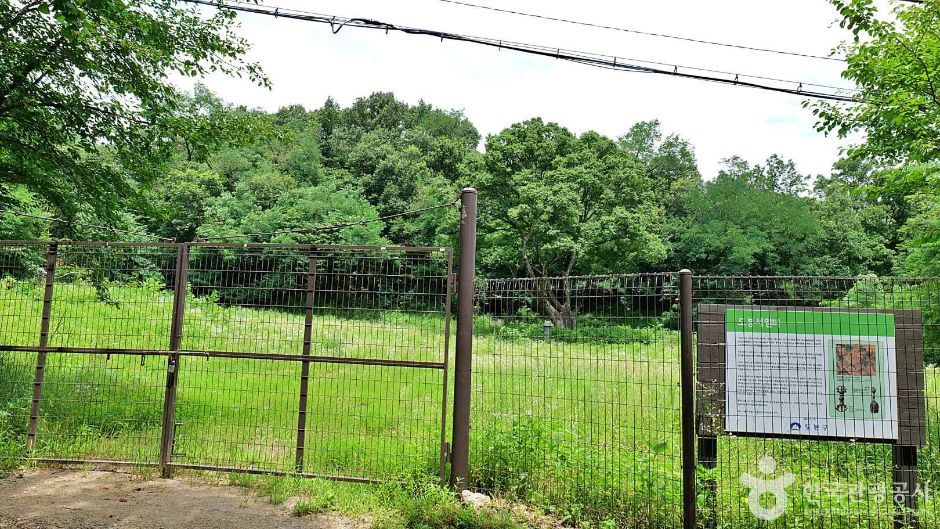
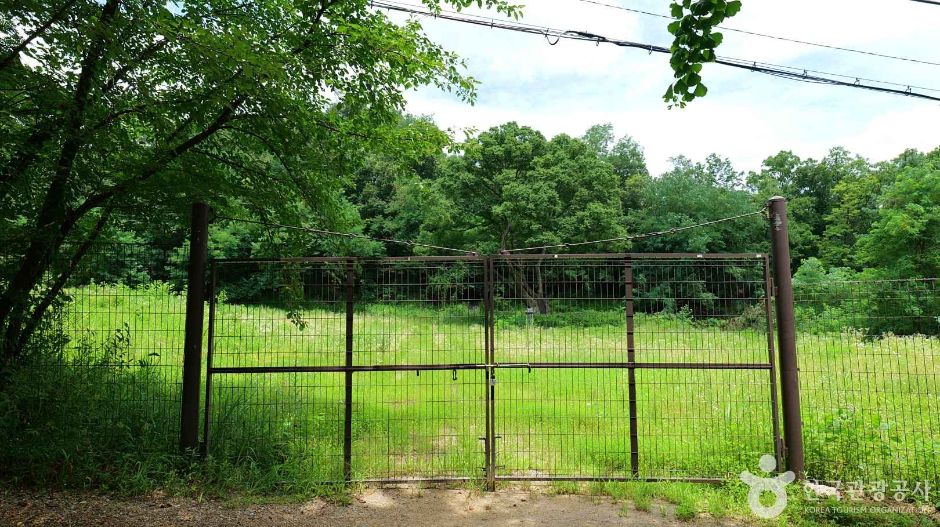
- Jo Gwang-jo was a tragic scholar and politician who dreamed of radical reforms but was thwarted by the Gimyo Sahwa (literati purge). His reformist spirit greatly influenced many later scholars.
- Song Si-yeol was a great Confucian scholar who brought Neo-Confucianism to its peak in the late Joseon Dynasty, and his scholarship became the ideological foundation of the Noron faction. The fact that two figures from different academic lineages are enshrined in one place demonstrates the unique historical value of Dobongseowon (Seoul).
The fact that prominent poets and calligraphers, including Baegsa Yi Hang-bok, left numerous poems and writings in praise of this place’s beauty and the spirit of its former sages, indicates that Dobongseowon (Seoul) was not merely an educational institution but also a cultural and artistic hub of its time.
Stories that Survived the River of Time: Unique Relics of Dobongseowon
Unfortunately, most of Dobongseowon was destroyed by the Seowon Abolition Edict in 1871, with only parts of its relics remaining today. However, unlike other seowon in the Seoul area, the foundation of the shrine and the ‘gakseokgun’ (group of inscribed stones) recorded in old historical materials largely remain in their original form in the valley in front of the seowon site, silently revealing its presence.
Traces that Endured with Strong Vitality
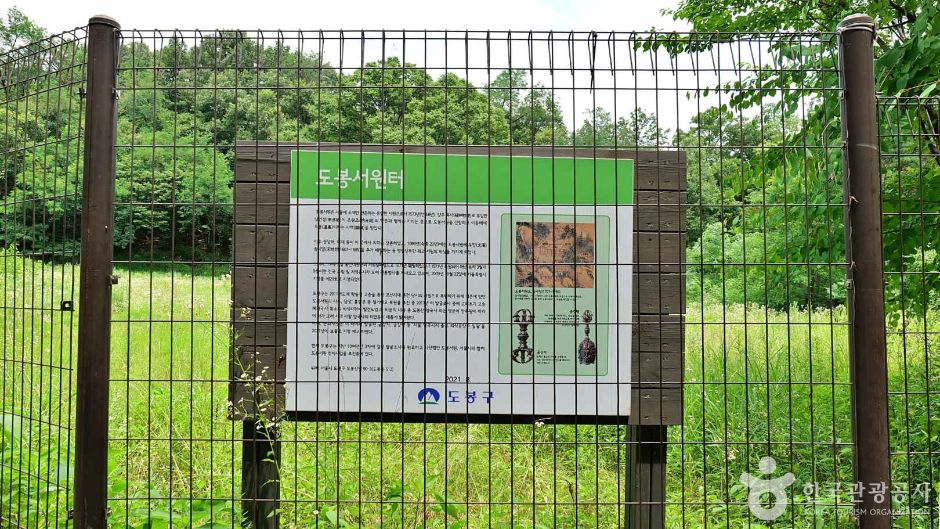
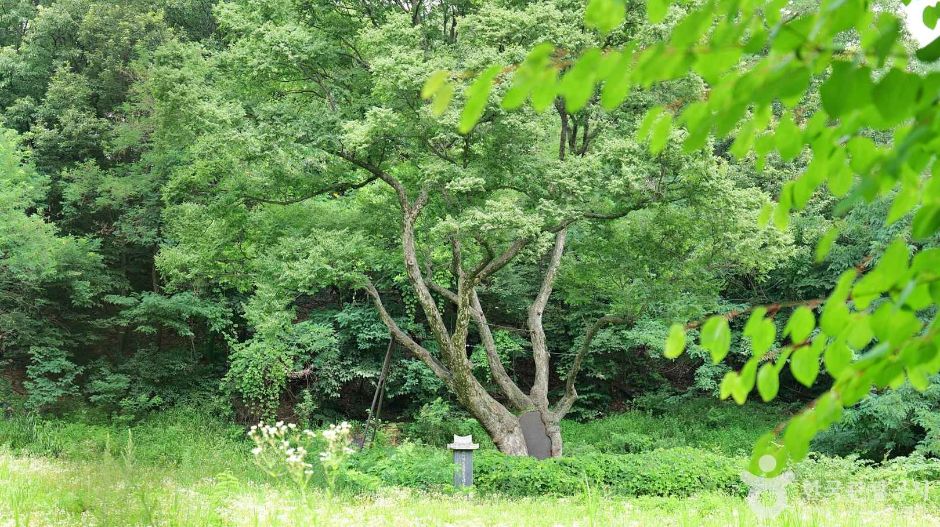
- Shrine Foundation The magnificent foundation of the shrine, which was the core space of the seowon, clearly shows how important this place was, even though the building itself has disappeared.
- Gakseokgun The scattered inscribed stones found throughout the valley are not just ordinary rocks. They are presumed to be relics that marked the boundaries of the former seowon or held special meanings, serving as valuable clues to relatively clearly identify the boundaries of the seowon site.
In addition to these relics, Dobongseowon (Seoul) has long been considered a scenic spot of beautiful landscapes in various literary works and poems. It holds special significance as a site of great preservation value, combining historical worth with natural scenery.
Treasure of Northern Seoul, Location of Dobongseowon (Seoul) and Nearby Attractions
Dobongseowon (Seoul), located at the foot of Dobongsan Mountain, is a special place where nature and history harmonize. If you wish to escape the hustle and bustle of Seoul and seek tranquility, this will be the optimal choice.
Directions to Dobongseowon
If using public transport, you can take a bus or walk from Dobongsan Station or Banghak Station on Subway Line 1. If driving, you can use nearby parking facilities.
Walking leisurely while breathing the fresh air of Dobongsan Mountain is also a good option.
Places to Enjoy Around Dobongseowon
- Dobongsan Mountain, one of Seoul’s famous mountains, offers various hiking trails, perfect for enjoying a light trek before or after visiting the seowon.
- Dobongsan Podae Ridge You can enjoy magnificent views along the beautiful ridge trail. It offers a different kind of natural grandeur compared to the seowon.
- Dulle-gil Trail Walk The Dobongsan Dulle-gil (circumference trail) is well-maintained near the seowon, making it ideal for enjoying a leisurely walk while breathing fresh air.
How to Experience Dobongseowon (Seoul) More Deeply
Beyond merely seeing with your eyes, if you visit Dobongseowon (Seoul) understanding its hidden meanings, the emotional impact will be doubled. This is a rare place where you can simultaneously feel historical significance and the beauty of nature.
Useful Tips to Know Before Visiting
- Learn Historical Background If you visit after briefly learning about Jo Gwang-jo, Song Si-yeol, and the saeakseowon system, the meaning of the relics will become even clearer.
- Document with Photos The remaining shrine foundation, gakseokgun, and the valley scenery surrounding the seowon are works of art in themselves. Bring your camera to capture these beautiful moments.
- Connect with Nature Walk along the forest paths around the seowon site and listen to the birdsongs and the sound of water. You can clear your cluttered mind in the tranquil atmosphere.
- Combine with Nearby Exploration Plan your seowon visit in conjunction with a hike on Dobongsan Mountain or a walk on the Dulle-gil trail to create a fulfilling day-long historical and nature exploration course.
Although there are no lavish buildings, the true charm of Dobongseowon (Seoul) lies in being able to walk upon the traces of the old seowon and simultaneously experience the spirit of past scholars and the comfort offered by nature.
Tranquil Afterglow, My Time Discovered at Dobongseowon
Dobongseowon (Seoul), nestled at the northern foot of Seoul, in the embrace of Dobongsan Mountain, is more than just a relic of the past; it is a space that offers deep contemplation and inspiration to us living in the present. In that place, steadfastly remaining despite the pain of destruction and bearing witness to history, we learn humility and wisdom.
To pause for a moment in this complex and rapidly changing world and follow in the footsteps of ancient scholars. This will be a precious time that goes beyond merely studying history, allowing you to reflect on yourself and find inner peace. We hope you discover your own special meaning within the tranquil afterglow that Dobongseowon (Seoul) offers. You will surely find value beyond your expectations.
Frequently Asked Questions
Q1. Which historical figures are enshrined at Dobongseowon?
Dobongseowon is a saeakseowon that enshrines both Jo Gwang-jo, a reformer of the early Joseon Dynasty, and Song Si-yeol, a master of Neo-Confucianism from the late Joseon Dynasty. Although their academic roots differed, both were revered for their outstanding scholarship and virtue.
Q2. What relics currently remain at Dobongseowon?
Although most of it was destroyed by the Seowon Abolition Edict in 1871, the magnificent foundation of the shrine and the ‘gakseokgun’ (group of inscribed stones) remaining in the valley in front of the seowon site are preserved close to their original form. Through these, one can infer the scale and boundaries of the old seowon.
Q3. Is there an admission fee to visit Dobongseowon?
Currently, the Dobongseowon site can be visited and viewed freely, and no separate admission fee is charged. You can experience history and nature in this open space.
Q4. Are there any good places to visit near Dobongseowon?
Yes, located at the foot of Dobongsan Mountain, it is excellent for enjoying Dobongsan hiking trails or Dulle-gil walks. The surrounding natural scenery is beautiful, allowing you to combine historical exploration with nature relaxation.
Q5. What is the historical value of Dobongseowon?
As a saeakseowon that enshrined representative Neo-Confucian scholars of the Joseon Dynasty, it served not only as an educational institution but also as a place for intellectual exchange among scholars of its time. Although destroyed, its remaining relics and value as a beautiful scenic spot are highly regarded.