The spirit of a scholar who refused government office, encounter timeless teachings at the historical site of Jo Sik in Sancheong.


Namnyeong Jo Sik, an upright scholar who refused countless government positions and dedicated his entire life solely to academics and nurturing future generations. A place where his lofty Mind and wisdom still breathe today, this is Sancheong Jo Sik Historic Site. Let’s follow the footsteps of the teacher who left behind timeless teachings.
The Scholar Who Refused Office, Following His Footsteps
During the mid-Joseon period, even amidst turbulent times, Master Namnyeong Jo Sik emphasized practical learning and righteousness (義), refusing government positions. His lofty spirit, which taught disciples on Jirisan without wavering even at the king’s summons, lives on throughout the Sancheong Jo Sik Historic Site. The historic site is divided into two areas, Sari and Wonri, showcasing the teacher’s life.
Two Paths, Two Essences of Learning
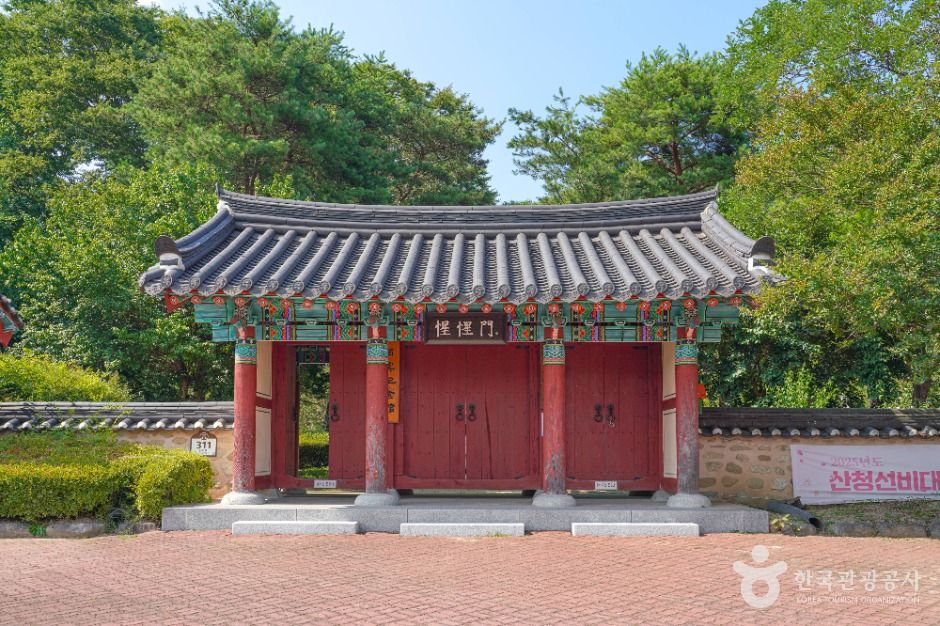
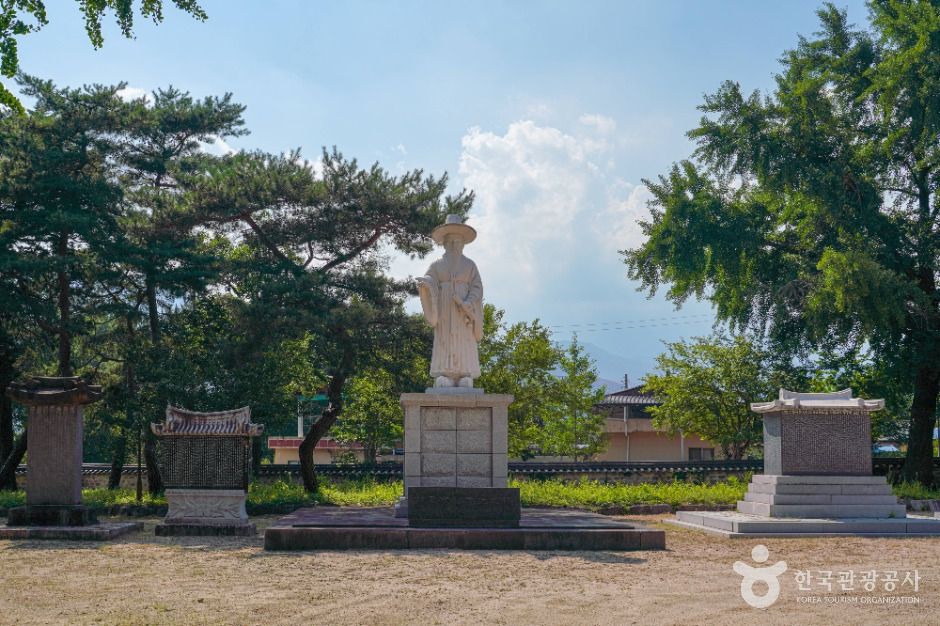
Sari Area: A Space of Academic Passion
- Sancheonjae (山天齋) The place where the teacher pursued his studies in 1561. Rebuilt in 1818, it is a humble two-kan ancestral hall.
- Byeolmyo (別廟) A shrine enshrining the ancestral tablet of Master Jo Sik.
- Stele and Tombstone Commemorate the teacher’s life and achievements.
Wonri Area: A Space for Education and Contemplation
Klook.com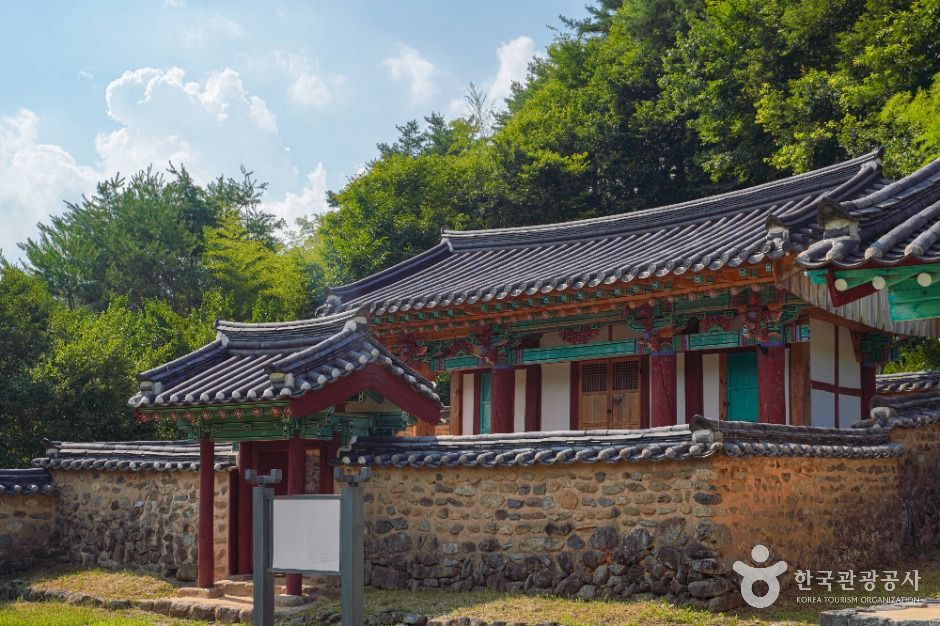
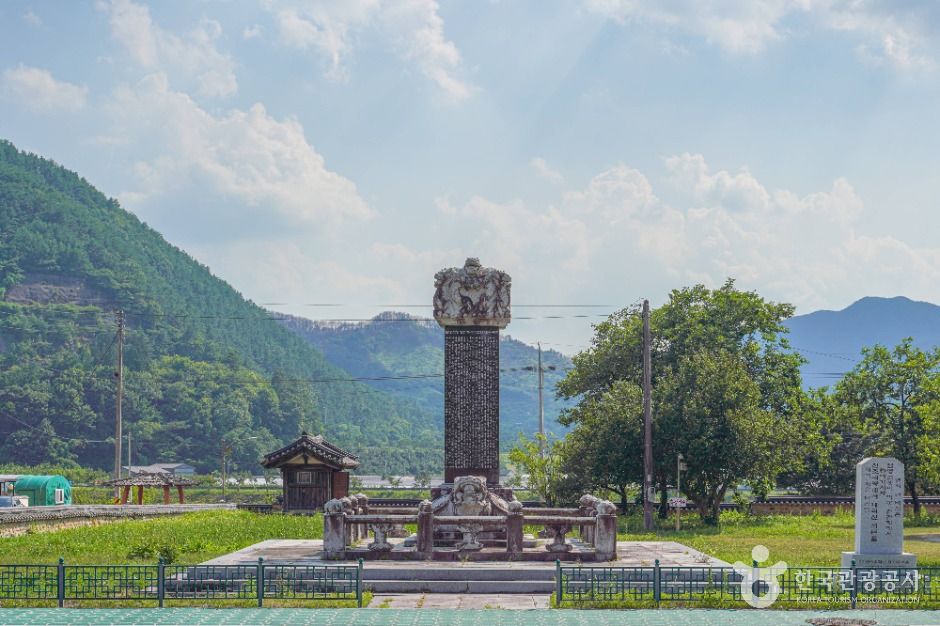
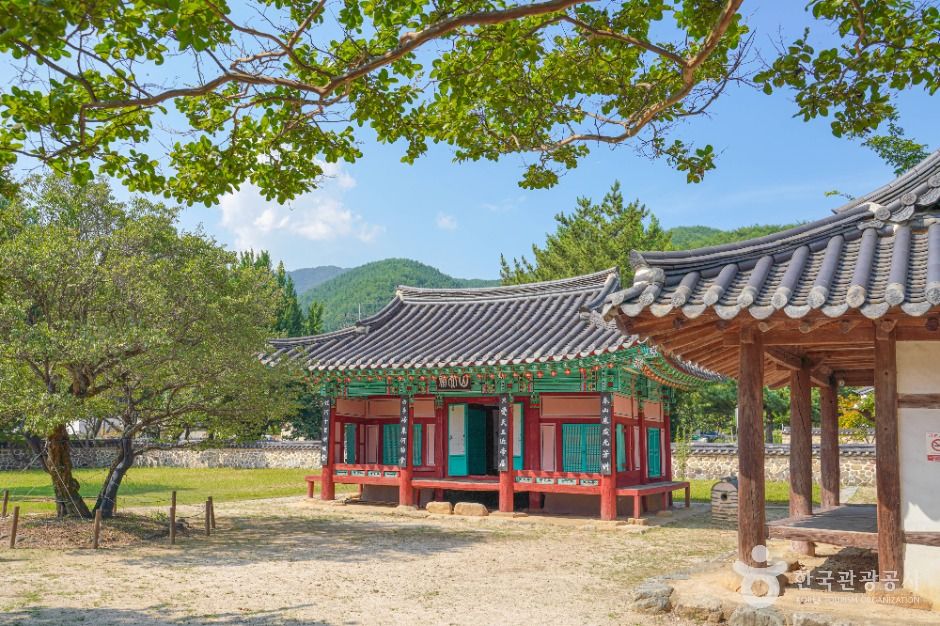
- Deokcheonseowon (德川書院) An educational institution established in 1576. Rebuilt in 1926, its five-kan scale symbolizes educational fervor.
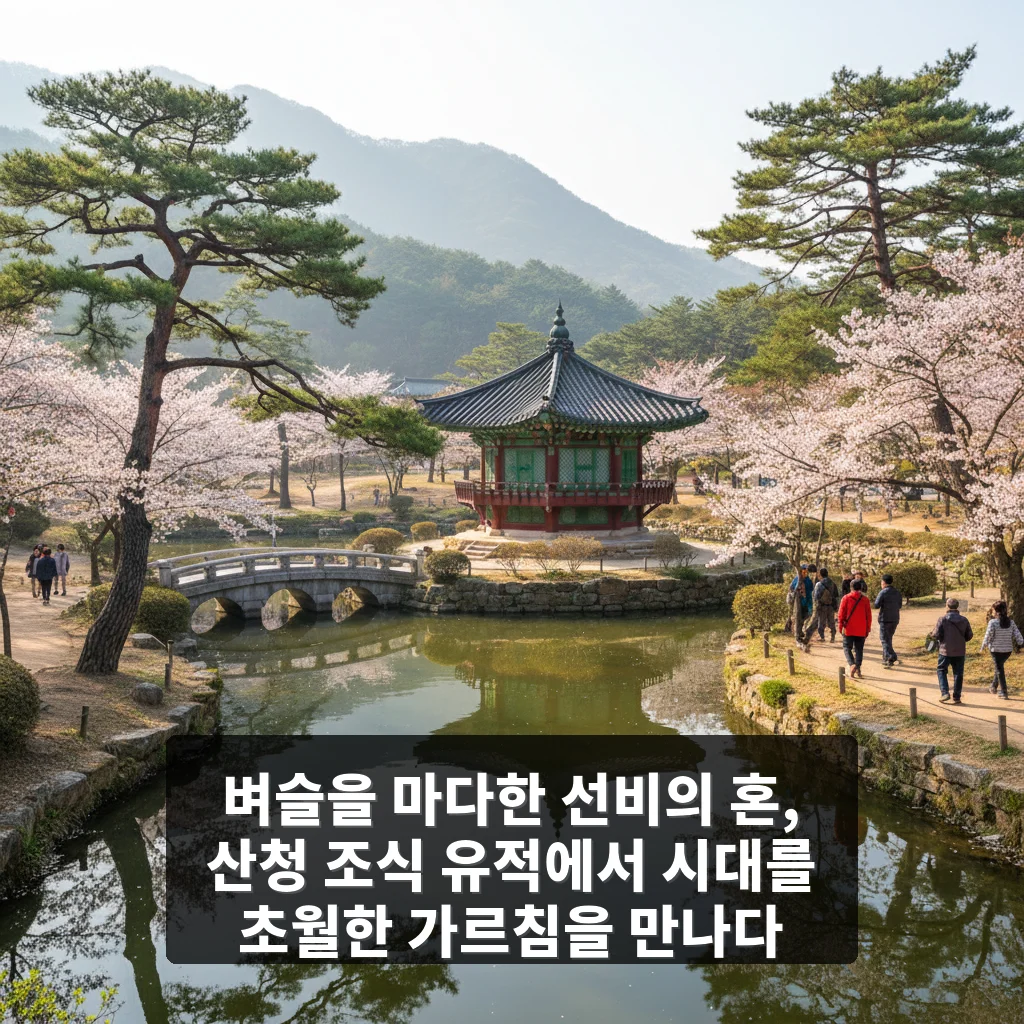
- Sesimjeong (洗心亭) A pavilion built in 1582. True to its name, meaning ‘washing the mind,’ it was a space for contemplation and fellowship.
A Place of Learning Embraced by Jirisan
The Sancheong Jo Sik Historic Site, with Deokcheongang River flowing beneath Jirisan Cheonwangbong Peak, is a living textbook in itself. You can follow the traces of Master Namnyeong amidst the beautiful nature and feel a sense of peace.
Checklist for a Wise Visit
- Comfortable Shoes Prepare them so you can comfortably stroll through the vast historic site.
- Seasonal Appreciation Spring flowers and autumn foliage are beautiful. A visit on a clear day is especially recommended.
- Prior Information Knowing about the teacher’s life beforehand will deepen your appreciation of the visit.
- Nearby Attractions Plan to visit other charming attractions in Sancheong as well.
Where the Map Points: Directions to Sancheong Jo Sik Historic Site
The journey to a historic place always brings excitement. The Sancheong Jo Sik Historic Site is located in Sari and Wonri, Sicheon-myeon, Sancheong-gun, Gyeongsangnam-do, and is conveniently accessible by car. Check the exact location on the map below and plan a comfortable trip.
Nearby Attractions Reflecting the Scholar’s Spirit
- Sancheong Donguibogamchon A traditional Korean medicine theme park, good for health and well-being.
- Namsayedamchon A traditional Hanok village with beautiful old walls and traditional houses.
- Gyeonghogang River You can enjoy water leisure activities such as rafting.
Timeless Teachings, Encountered in Sancheong
The Sancheong Jo Sik Historic Site is more than just a heritage site; it makes us reflect on the true values of life and the meaning of learning. If you wish to encounter the upright spirit of Master Namnyeong Jo Sik amidst the energy of Jirisan, embark on a journey to Sancheong now. You will surely gain special enlightenment.
Frequently Asked Questions
Q1. What kind of place is the Sancheong Jo Sik Historic Site?
It is a historic site imbued with the academic legacy and spirit of Master Namnyeong Jo Sik, a great Confucian scholar of the mid-Joseon period. Sancheonjae, Deokcheonseowon, and other sites where the teacher’s virtues were commemorated and future generations were nurtured are preserved here.
Q2. Is there a reason why the historic site is divided into two areas?
Yes, it is divided into the Sari area (including Sancheonjae), where the teacher dedicated himself to academic research, and the Wonri area (including Deokcheonseowon and Sesimjeong), where he taught his disciples. These are spaces with distinct meanings.
Q3. What is the most recommended season to visit?
In spring, the lush nature and flowers, and in autumn, the beautiful foliage harmonize with the historic site, making the scenery particularly lovely. A visit on a clear day allows you to fully enjoy the tranquil atmosphere.
Q4. Are there any precautions to take when visiting the historic site?
Since the historic site is vast and involves a lot of walking, it is advisable to wear comfortable shoes. Additionally, to protect cultural heritage, please refrain from entering areas outside designated zones and enjoy your visit quietly.
Q5. Are there any other places to visit nearby?
You can experience traditional Korean medicine at Sancheong Donguibogamchon, or feel the charm of traditional Hanok houses at Namsayedamchon. You can also enjoy water leisure activities at Gyeonghogang River, making for a diverse trip.
 Love Korea? Promote it & Earn.