
A foreign love that crossed the sea blossomed at Kimhae Suro-wangbireung.


Do you know the legend of a foreign princess who crossed the sea long, long ago and became the queen of Gaya? It’s not just an old story; Gimhae is precisely where the traces of real history remain intact. Gimhae Royal Tomb of Queen Heo is the eternal resting place of Heo Hwang-ok, the queen of King Suro, the founder of Geumgwan Gaya, and the mysterious story contained within it continues to attract many visitors to this day.
The legend that Princess Heo Hwang-ok of Ayuta Kingdom in India received a divine command and crossed the vast ocean by boat at the tender age of 16 to become the wife of King Suro adds an exotic flavor to Gaya’s founding myth. Her story goes beyond mere love, also serving as a valuable historical clue that offers a glimpse into the exchange between ancient Korea and India.
Following the Traces of Legend, the Mysterious Scenery of the Royal Tomb of Queen Heo
Gimhae Royal Tomb of Queen Heo presents a rather different landscape from the Suro Royal Tomb. Unlike the Suro Royal Tomb, which was built on flat ground, this place is situated on a low hill, creating a cozier and more tranquil atmosphere. It is a circular earthen mound tomb about 5m high, surrounded by a low stone wall in a rectangular shape, and a stone embankment was built in front with long stones. These elements highlight the Queen’s unique space even further.
Different from the Suro Royal Tomb, Her Own Tranquil Place
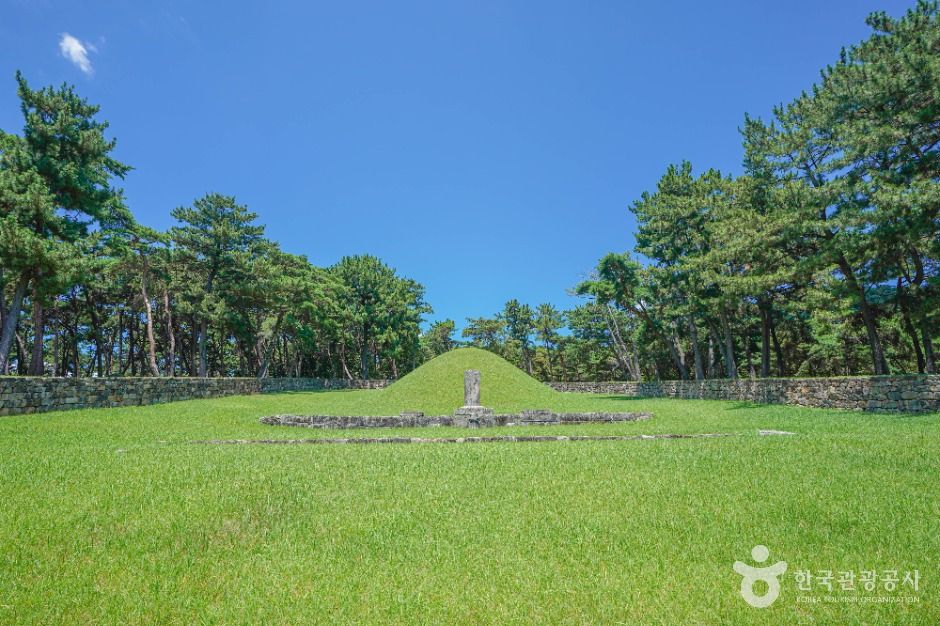
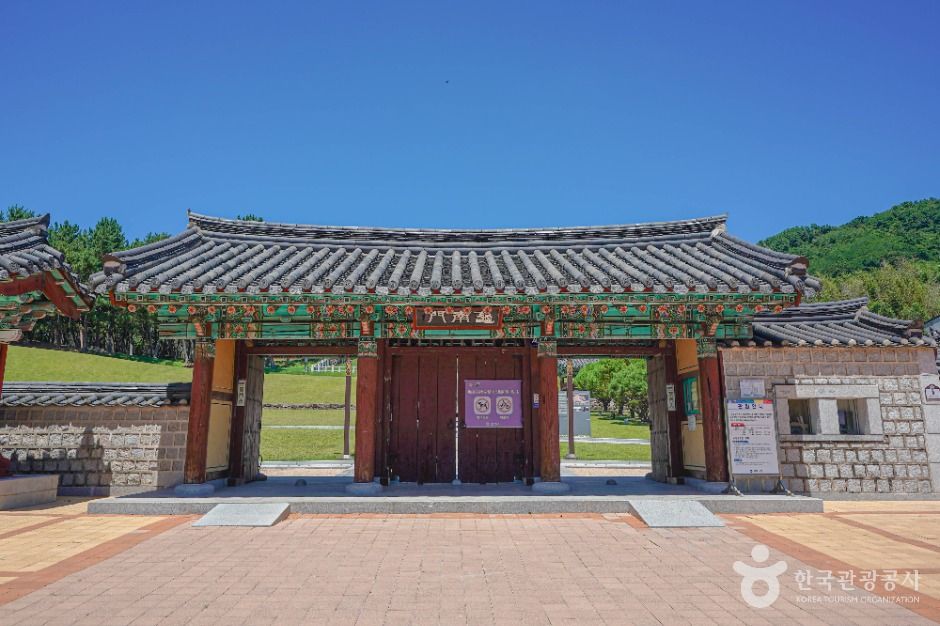
- Unique Location Built on a hill rather than flat ground, it contrasts with the Suro Royal Tomb, showcasing the characteristics of tomb construction utilizing terrain.
- Circular Earthen Mound Tomb Approximately 5m high, it presents a stable and dignified appearance, revealing the presence of Queen Heo Hwang-ok, the tomb’s owner.
- Rectangular Stone Wall and Embankment Structures that protect the tomb and add solemnity, offering a glimpse into the architectural technology and aesthetics of ancient Gaya.
Exotic Breath, the Legend Enshrined in the Pasa Stone Pagoda
In front of Gimhae Royal Tomb of Queen Heo remains a special artifact. It is a stone from the ‘Pasa Stone Pagoda,’ said to have been brought from India by Queen Heo Hwang-ok. The story associated with this pagoda is recorded in the Samguk Yusa, making it even more intriguing. It is said that when the Queen crossed the sea to Karak Kingdom by boat, she brought it with her to calm the rough waves. This single small stone vividly testifies to international exchange and mysterious beliefs from thousands of years ago.
- Link to India Symbolizing the Queen’s origin, it is a valuable artifact proving exchange between ancient Korea and the Western Regions.
- Record in Samguk Yusa The fact that the legend is recorded in a historical text rather than just being a simple story further highlights its mystery and significance.
- Stone that Calmed the Waves It holds the belief that it helped complete a dangerous voyage safely, offering a glimpse into the wishes and faith of the people at that time.
Around the Royal Tomb of Queen Heo, Historical Footprints Not to Miss
Klook.com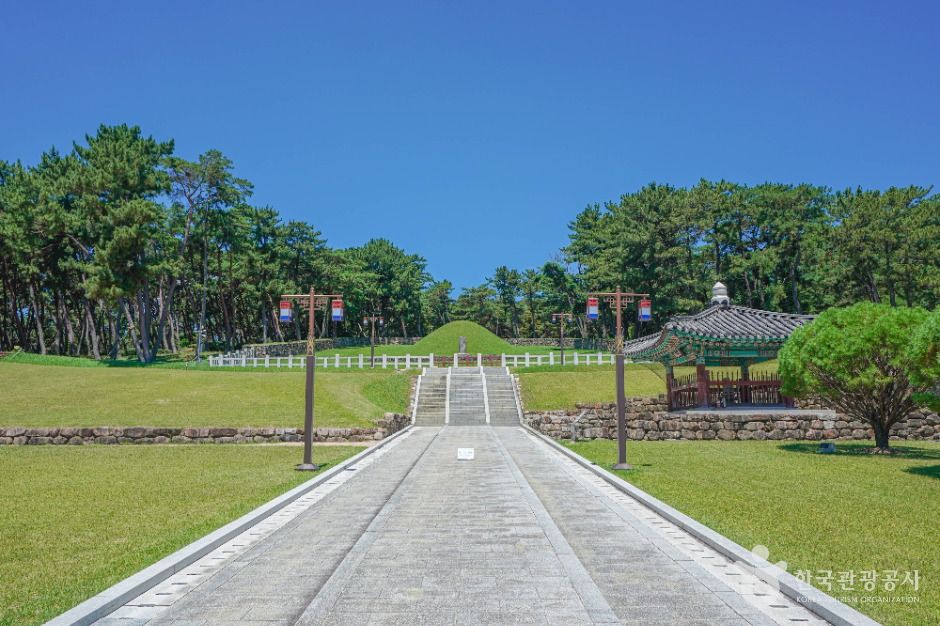
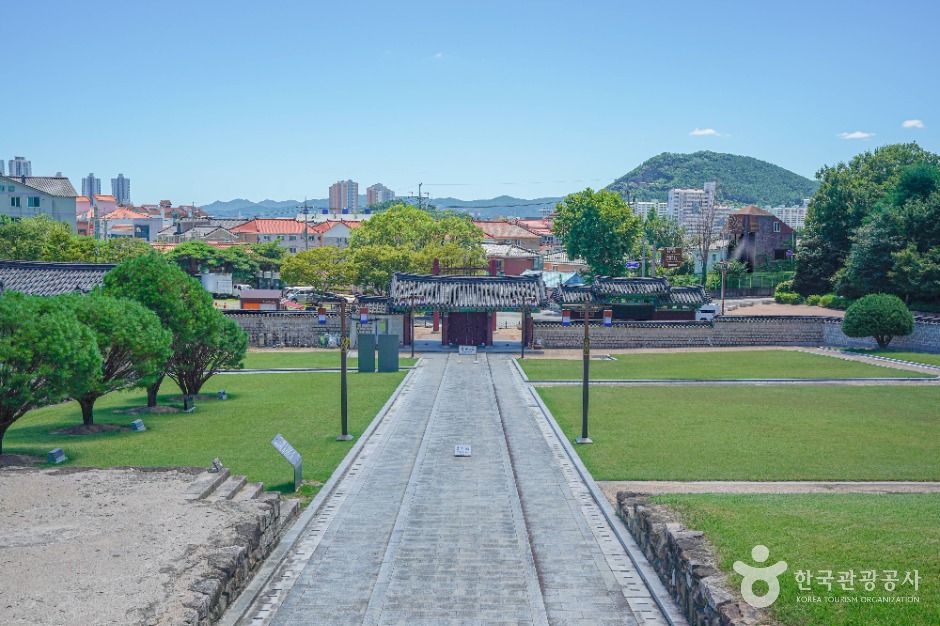
Gimhae Royal Tomb of Queen Heo is not merely a place with a single tomb. Along the path leading to the Royal Tomb of Queen Heo and its surroundings, various ancillary buildings and historical sites where one can feel the breath of the Gaya era are located. From the entrance of the tomb, there are Gunammun Gate and Hongsalmun Gate, Sungboje, where ancestral rites were prepared, and Neungbi, which records the history of the tomb. All these elements demonstrate the Queen’s life and the efforts of those who remember her.
Gaya’s Architectural Beauty Surrounding the Royal Tomb of Queen Heo
- Gunammun Gate and Hongsalmun Gate The first gateway into the Royal Tomb, these are traditional gates signaling a sacred space. Hongsalmun Gate, in particular, is a red-pillared gate indicating a sacred area.
- Sungboje This building was used for preparing ancestral rites for the Queen. It is an important space offering a glimpse into the ritual culture of that time.
- Oesammun Gate and Naesammun Gate Layered gates leading into the Royal Tomb area, they enhance the dignity of the tomb and the depth of the space.
- Neungbi A stele recording the Queen’s name and history, it is an important artifact that makes her presence known to future generations.
Ancient Gaya Traces to Explore Together
- Gimhae Gusan-dong Tomb Complex Near the royal tomb, there is a tomb complex with a tunnel-type stone chamber structure, which, along with Gimhae Royal Tomb of Queen Heo, is an important historical site for a deeper understanding of Gaya’s funeral culture and social conditions.
Gimhae Royal Tomb of Queen Heo, Visiting Tips for a Journey into History
Gimhae Royal Tomb of Queen Heo is more than just a historical site; it is a space where you can enjoy peaceful contemplation amidst beautiful nature. Visit with a relaxed mind and listen to the story of Queen Heo Hwang-ok. You will be able to experience peaceful rest along with its historical significance.
Location:
Checklist for a More Fruitful Visit
- Allow Plenty of Time Escape the bustling city and take a leisurely stroll, fully experiencing the tranquil atmosphere of the Royal Tomb of Queen Heo.
- Connect with Nearby Historical Sites Planning your itinerary with nearby Gaya historical sites such as Suro Royal Tomb and Gimhae Gusan-dong Tomb Complex will allow for a deeper understanding of Gaya history.
- Read Information Boards Thoroughly Be sure to read the information boards that contain detailed explanations about each building and artifact. It’s quite enjoyable to discover hidden stories.
- Comfortable Attire Since you may be climbing up and down hills or walking along stone walls, it is recommended to wear comfortable shoes and clothing.
- Seasonal Scenery In spring, green sprouts and flowers, and in autumn, colorful foliage make the Royal Tomb of Queen Heo even more beautiful. Experience its different charms in each season.
Frequently Asked Questions
Q1. Whose tomb is Gimhae Royal Tomb of Queen Heo?
It is the tomb of Princess Heo Hwang-ok, the queen of King Suro, the founder of Geumgwan Gaya. The legend tells that she crossed the sea from Ayuta Kingdom in India and became the wife of King Suro.
Q2. What is the difference between the Suro Royal Tomb and the Royal Tomb of Queen Heo?
Unlike the Suro Royal Tomb, which was built on flat ground, the Royal Tomb of Queen Heo is characterized by being built on a hill. This shows a difference in tomb construction methods, and also affects the atmosphere of each royal tomb.
Q3. What is the significance of the Pasa Stone Pagoda?
It is a part of the stone pagoda said to have been brought from India by Queen Heo Hwang-ok. The Samguk Yusa records the story that it was carried on a boat to calm the waves when crossing the sea, and it is considered a symbol of ancient international exchange.
Q4. Are there any other places to visit nearby?
Yes, near the royal tomb is the Gimhae Gusan-dong Tomb Complex, which has a tunnel-type stone chamber structure, where you can also glimpse the funeral culture of the Gaya era. It is also close to the Suro Royal Tomb, making it good for combined visits.
Q5. Is there an entrance fee for Gimhae Royal Tomb of Queen Heo?
Gimhae Royal Tomb of Queen Heo is usually open free of charge. However, operating hours or the occurrence of specific events may vary, so it is advisable to check the latest information from the relevant authorities before visiting.
 Love Korea? Promote it & Earn.