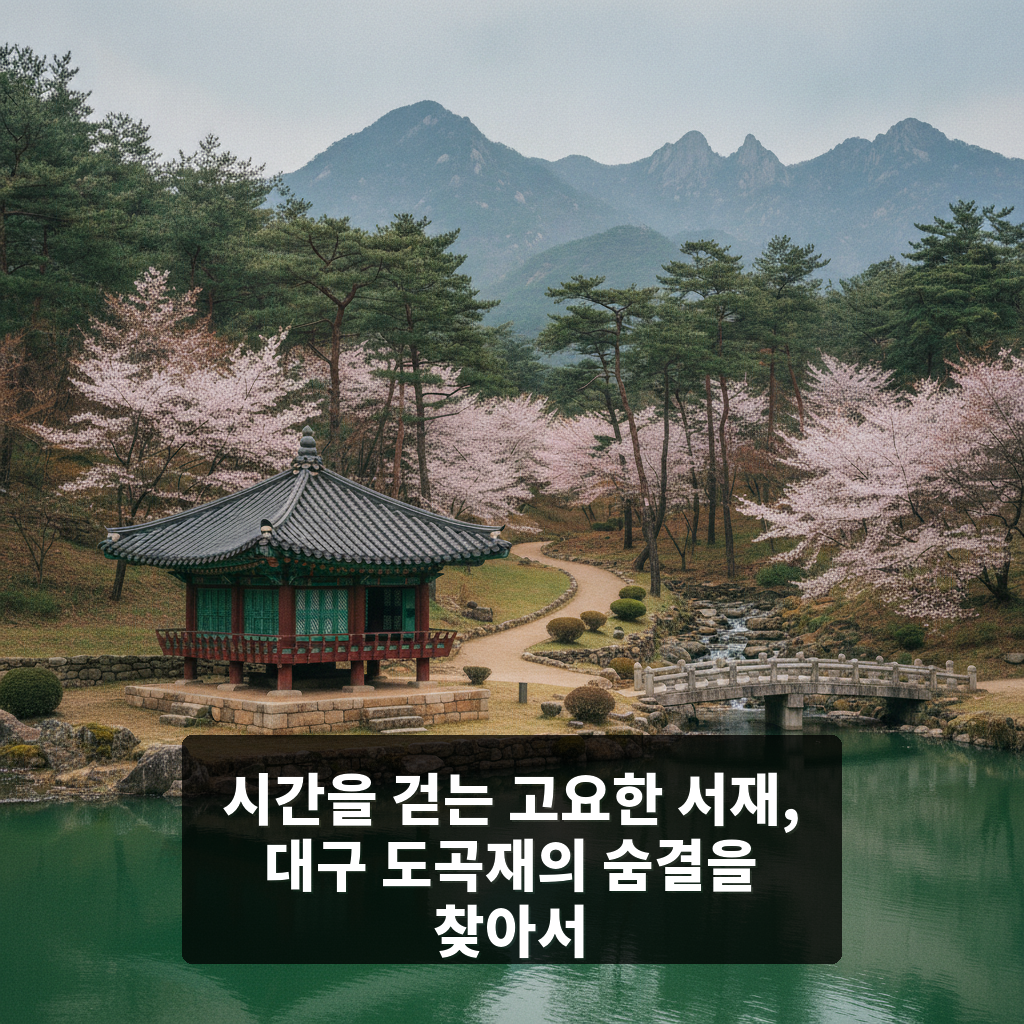
A quiet study walking through time, in search of the essence of Daegu Dogokjae


Have you ever paused in your busy daily life and felt the spirit of an old scholar in the serene embrace of a hanok? Located in Habin-myeon, Dalseong-gun, Daegu, Dogokjae is more than just an old house; it is a special space that fully embodies the academic passion of an individual and the spirit of an era.
This place was a study room for scholars who honed their wisdom during the late Joseon Dynasty, and at one time, it was a dynamic living space for a Daesaseong (a high-ranking official). Stories hidden beneath the tranquil roof tiles seem to come alive, making it a magical place that gently soothes the hearts of visitors.
Today, we open the doors of Dogokjae and embark on a journey to explore the traces of time layered within, its beautiful architectural aesthetics, and the wisdom of our ancestors’ lives.
The Solitary Passion of a Joseon Scholar, the Birth of Dogokjae
The Dogokjae we see today was first built in the 2nd year of King Jeongjo’s reign (1778) as the residence of Seojeonggong Park Mun-hyeon, who served as Daesaseong. However, this modest hanok came to be named ‘Dogokjae’ about 20 years later, around the 24th year of King Jeongjo’s reign (1800), when it was used as the study room of Master Dogok Park Jong-woo. The fact that this space, imbued with an individual’s academic passion, was named after his pen name makes this small building even more special.
The Modest Architectural Beauty that Became a Daegu Tangible Cultural Heritage
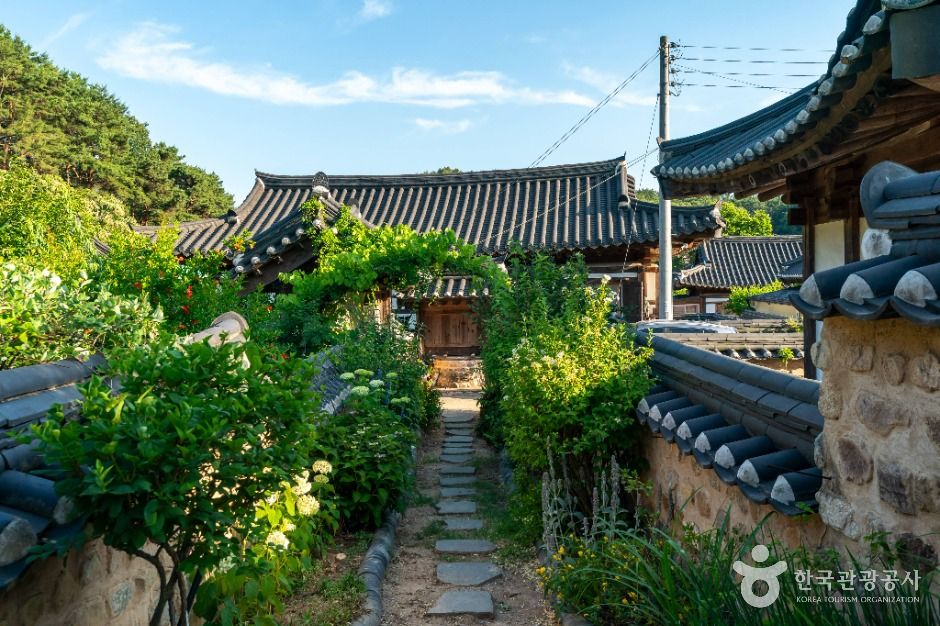
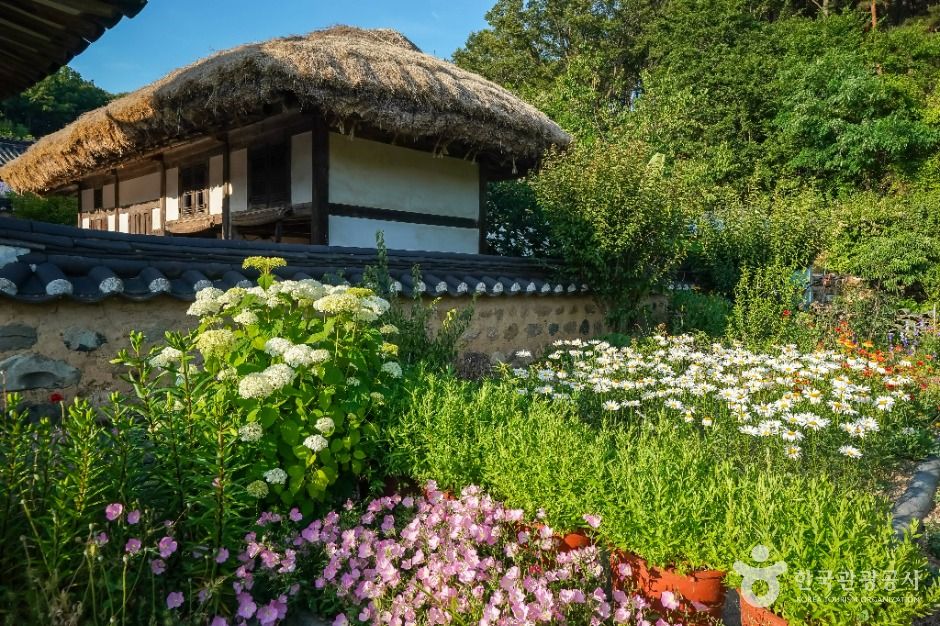
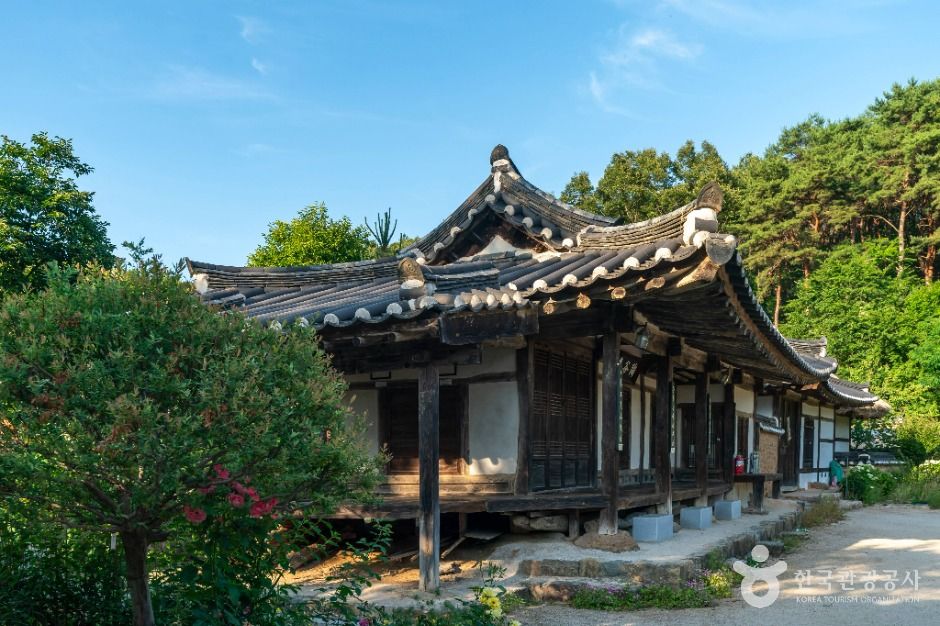
Dogokjae is a place of high historical value, designated as a Daegu Metropolitan City Tangible Cultural Heritage. It started with a size of 4 bays in the front and 1 bay on the side, but in later generations, an extended bay (toe-kan) was added and the main hall (daecheong) was widened, making it feel cool like a pavilion. It well displays the typical structure of a Taebaeksan region residence that prioritized practicality and Harmony with nature over grandeur, exuding an elegant dignity even in its unadorned simplicity.
- 2nd Year of King Jeongjo (1778) Established as the residence of Seojeonggong Park Mun-hyeon
- Around 24th Year of King Jeongjo (1800) Used as the study room of Dogok Park Jong-woo and named ‘Dogokjae’
- Architectural Features 4 bays in the front, 1 bay on the side, with an extended bay (toe-kan) and a wide main hall (daecheong) added later. A typical structure of a Taebaeksan region residence.
As if Time Has Stopped: Tranquil Contemplation at Dogokjae
In the busy lives of modern people, the tranquility offered by Dogokjae provides special solace. This is not just an old building, but a space where the spirit of scholars who intensely pursued knowledge and contemplated the world still lives and breathes. The sound of wind rustling at the eaves, the serene scenery viewed from the wooden floor (maru) naturally bring peace to the mind.
What Can You Feel Here?

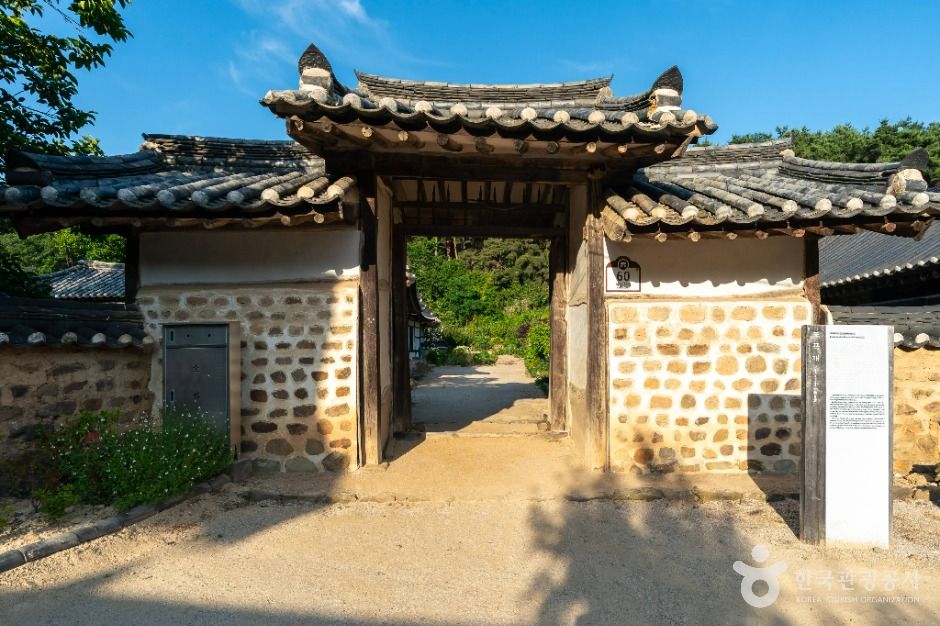
- Life of a Scholar You can indirectly experience the spaces where ancient ancestors contemplated and dedicated themselves to learning.
- Harmony with Nature You can feel the principles of nature amidst the beauty of the hanok harmonizing with the surrounding scenery.
- Tranquil Rest You can escape the noise of the city and enjoy true rest and contemplation.
How to Get to Dogokjae and Nearby Attractions
Dogokjae, located in Habin-myeon, Dalseong-gun, Daegu, is relatively easy to access by car. It is about 30 minutes to 1 hour away from downtown Daegu, making it convenient for a visit. Public transportation can be somewhat complicated, so it is recommended to check route information in advance or use a private car.
Places to Enjoy Nearby
There are many nearby attractions worth visiting before or after your visit to Dogokjae. Follow the scent of history and discover the deeper charms of Daegu.
- Hamokjeong A beautiful pavilion built after the Imjin War, boasting outstanding scenery in harmony with nature.
- Daegu Dalseongbo A weir constructed at the confluence of the Geumhogang and Nakdonggang rivers, with well-maintained bike paths and walking trails, perfect for spending leisure time.
- Mabijeong Mural Village A charming rural landscape enhanced by beautiful murals, offering unique sights.
Smart Tips for Visiting Dogokjae
Here are some tips to help you more richly enjoy Dogokjae, where history and nature come alive. A little preparation will lead to a deeper impression.
- Check Visiting Hours Due to the nature of historical sites, operating hours may be fixed or subject to irregular opening, so it’s advisable to check relevant information before your visit.
- Maintain Silence Please observe quietly so as not to disturb the tranquil atmosphere, and be considerate of other visitors.
- Protect Cultural Heritage To prevent damage to cultural heritage, follow the designated viewing routes and do not enter unauthorized areas. Please refrain from touching or leaning on anything.
- Comfortable Attire Since it’s a good place to stroll and contemplate in the yard or surroundings, it’s recommended to wear comfortable shoes and clothing.
Frequently Asked Questions
Q1. What kind of place is Dogokjae?
Dogokjae is a hanok built in the 2nd year of King Jeongjo’s reign (1778), which served as the residence of Daesaseong Park Mun-hyeon. Later, it was used as the study room of Master Park Jong-woo and was named after his pen name, becoming a Daegu Metropolitan City Tangible Cultural Heritage. It is a serene space imbued with the spirit of scholars.
Q2. Are there any special precautions when visiting Dogokjae?
To protect cultural heritage, please follow the designated viewing routes and absolutely refrain from unauthorized entry into the building or any acts that may damage cultural properties. Please maintain silence to preserve the tranquil atmosphere.
Q3. Are there any other places worth visiting near Dogokjae?
Yes, there are various attractions nearby, such as Hamokjeong, a beautiful pavilion built after the Imjin War; Daegu Dalseongbo, good for riverside walks; and Mabijeong Mural Village, adorned with charming murals.
Q4. Can Dogokjae be visited without a private car?
It can be accessed by public transportation from downtown Daegu, but it might be somewhat inconvenient. Checking bus routes and schedules in advance or considering using a private car will make your visit more convenient.
Q5. Are there any special experiential programs at Dogokjae?
Currently, there are no known regular experiential programs operated by Dogokjae itself. However, contemplating and feeling history within the tranquil hanok space will be a sufficiently special experience in itself.