Traces of history left by time, walking through the tomb site of Hyomin-gong Yi Gyeong-jik


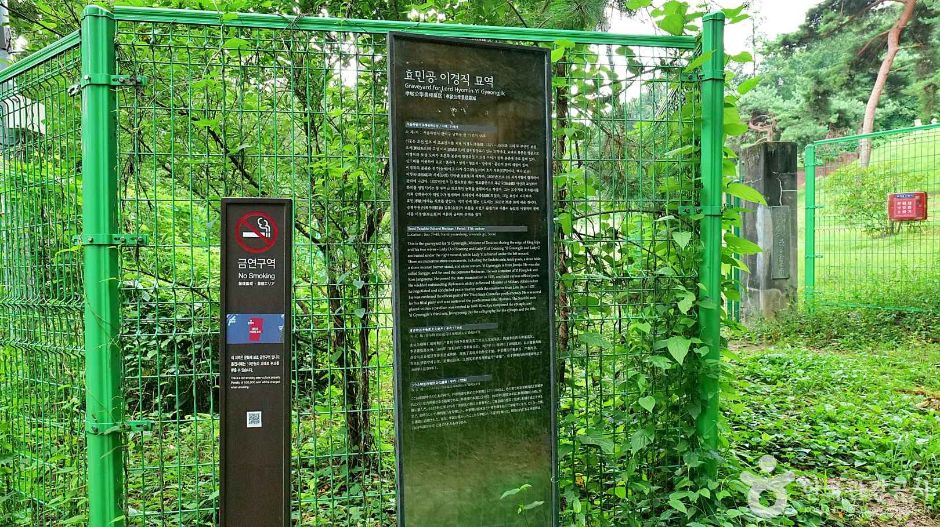
At some moment in the past, what message does the life of a great historical figure convey to us who live in the present? Especially in front of a stele that fully preserves their great life, we are moved even more deeply. Today, we are about to embark on a time-travel journey to the Hyomin-gong Yi Gyeong-jik Cemetery, which holds a living story spanning hundreds of years.
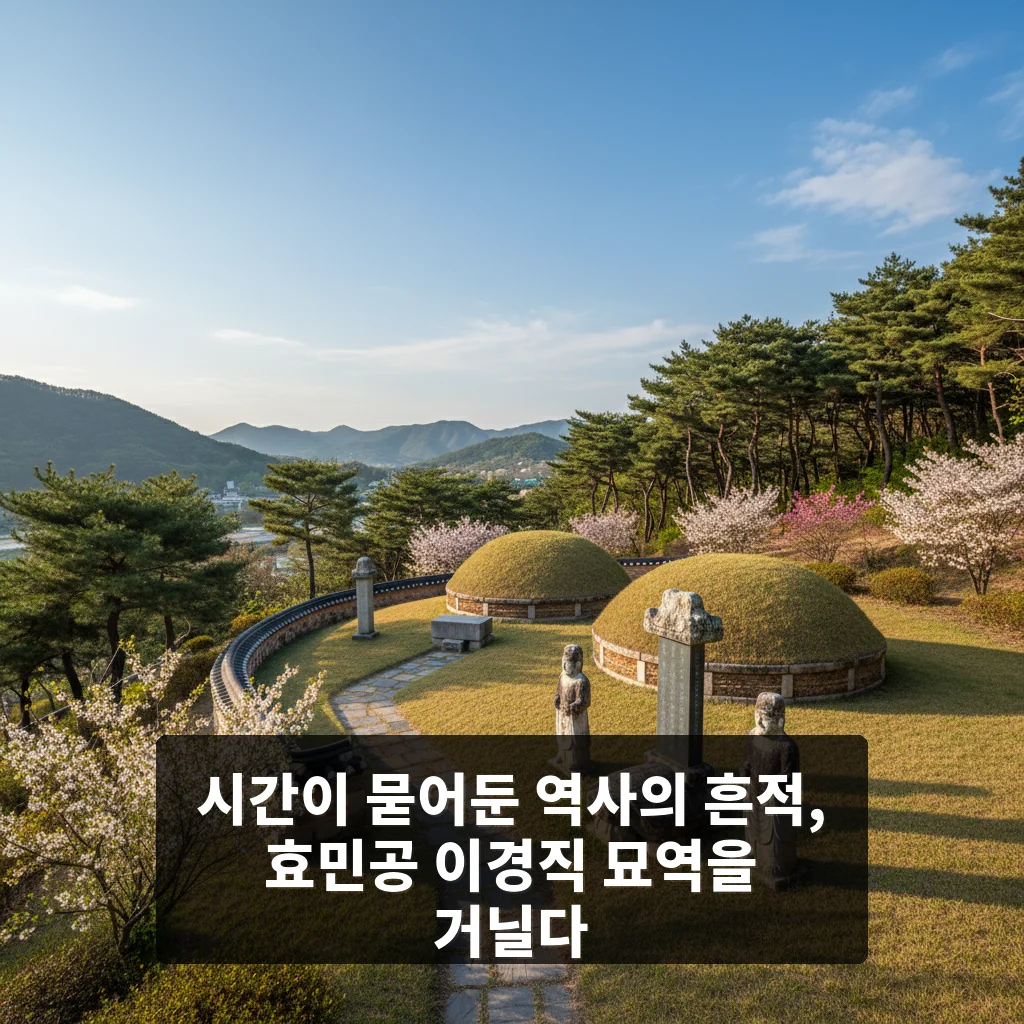
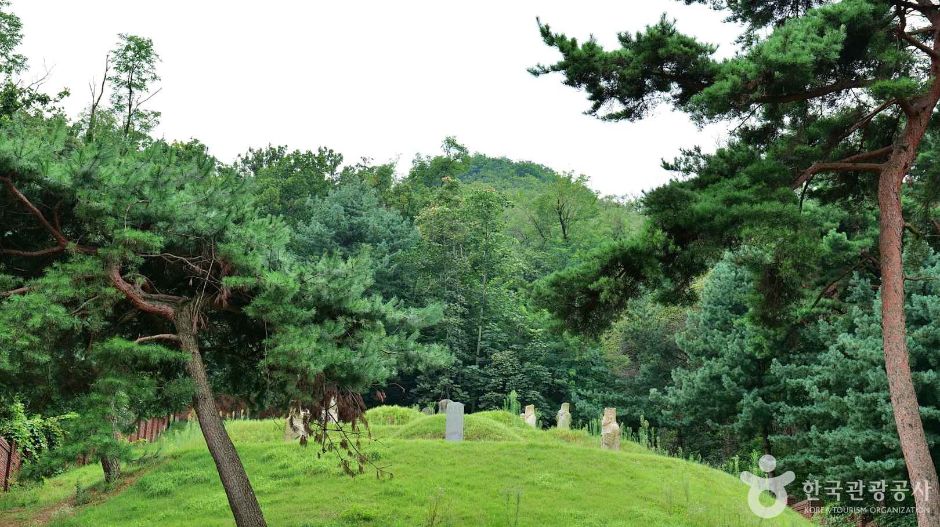
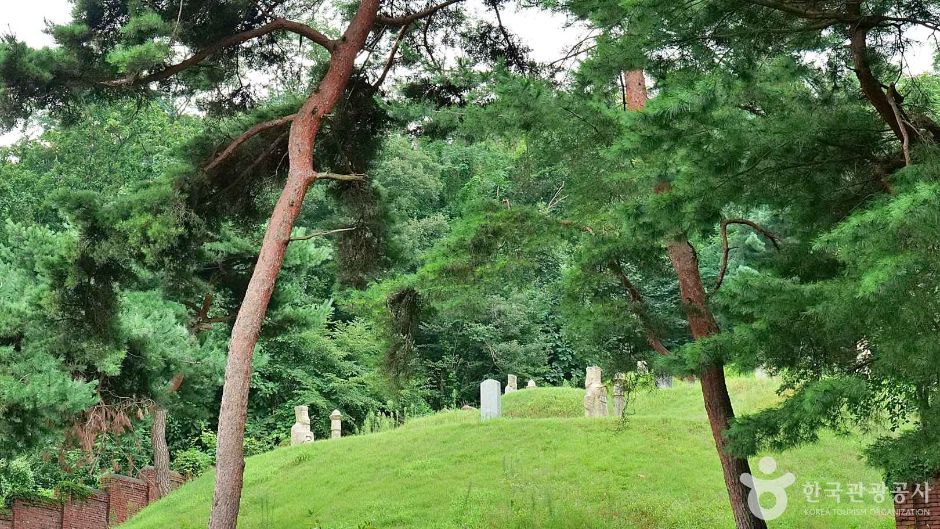
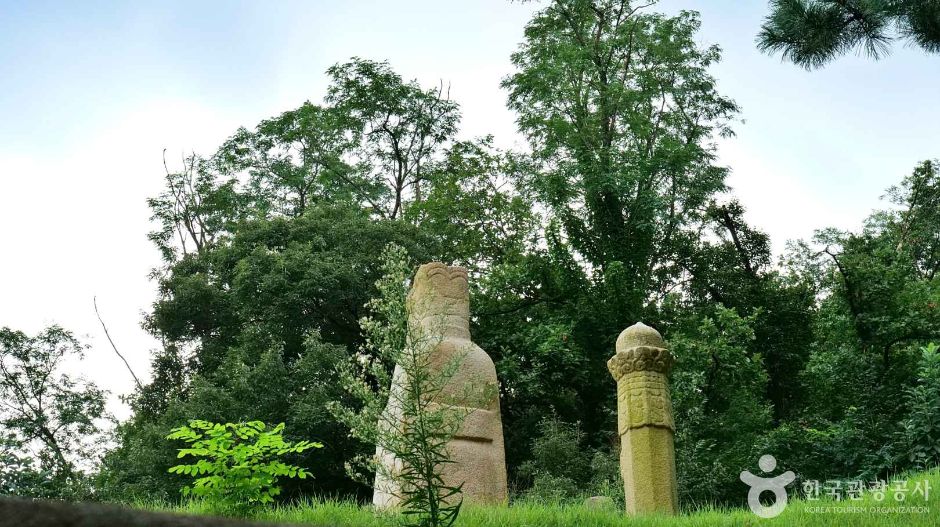
This is not just a simple burial site. It is a historical site where the fierce life of a figure who navigated the turbulent Joseon period with his entire being, and the footsteps he left behind, are fully engraved. The stele (sindobi) standing with his tomb is also a valuable cultural heritage that offers a glimpse into the era’s spirit and artistic style.
What kind of life did Master Yi Gyeong-jik truly lead, and what value does his burial site convey to us? Now, let’s delve deep into that hidden story.
A Light Illuminating a Turbulent Era: The Fiery Life of Hyomin-gong Yi Gyeong-jik
The Hyomin-gong Yi Gyeong-jik Cemetery is a place commemorating the life of Master Yi Gyeong-jik, a civil official of the mid-Joseon period. He followed the academic lineage of I Hang-bok and Kim Jang-saeng, beginning his official career in the Seungmunwon during the reign of King Seonjo of Joseon. Thereafter, he served in various key positions such as Ganghwa Yusul (Governor of Ganghwa), Doseungji (Chief Royal Secretary), and Hojo Panseo (Minister of Taxation), dedicating himself to laying important foundations for the nation. He was a true patriot who dedicated his all to the nation’s call until he passed away from illness.
His achievements also shone in diplomacy and national defense. In 1617 (the 9th year of King Gwanghaegun’s reign), he was dispatched to Japan as a Jongsa-gwan (subordinate official) of the Hoedap-sa (envoy for replies), wisely resolving complex diplomatic issues. In 1624 (the 2nd year of King Injo’s reign), when the Rebellion of Yi Gwal broke out, he made great contributions to suppressing the rebellion as Jeolla Jeolldosa (Commander of Jeolla Province). Furthermore, in 1627 (the 5th year of King Injo’s reign), during the Jeongmyo War (Manchu Invasion of 1627), he demonstrated outstanding diplomatic skills as Byeongjo Champan (Vice Minister of War), negotiating with Qing envoys to establish a precarious peace treaty.
Master Yi Gyeong-jik, His Major Footsteps
| Period | Major Activities |
|---|---|
| Reign of King Seonjo | Began official career in Seungmunwon, served as Ganghwa Yusul, etc. |
| 9th year of King Gwanghaegun (1617) | Dispatched as Jongsa-gwan of Hoedap-sa to Japan |
| 2nd year of King Injo (1624) | Suppressed Rebellion of Yi Gwal (as Jeolla Jeolldosa) |
| 5th year of King Injo (1627) | Established peace treaty with Qing during Jeongmyo War (as Byeongjo Champan) |
| Later years of life | Served as Doseungji and Hojo Panseo, then died in office from illness |
Immortal Record Carved in Stone: The Truth Conveyed by the Sindobi
At the center of the Hyomin-gong Yi Gyeong-jik Cemetery stands a sindobi. A sindobi refers to a stele erected to the southeast of the tomb of a king or high official, recording their lifelong achievements. The Yi Gyeong-jik Sindobi faithfully follows the typical style of the mid-Joseon period, featuring a main body mounted on a square pedestal, topped with a capstone.
This stele was erected in 1668 (the 9th year of King Hyeonjong’s reign), and its value is exceptionally high as it is a work touched by the hands of the era’s finest calligraphers and literati, with Kim Ryu, a renowned scholar of the time, composing the inscription, and his third son, Yi Jeong-yeong, writing the calligraphy. The intricate calligraphy and content engraved on the sindobi vividly attest to the master’s achievements, making it an important heritage worthy of preservation both historically and academically.
Special Value Held by the Cemetery
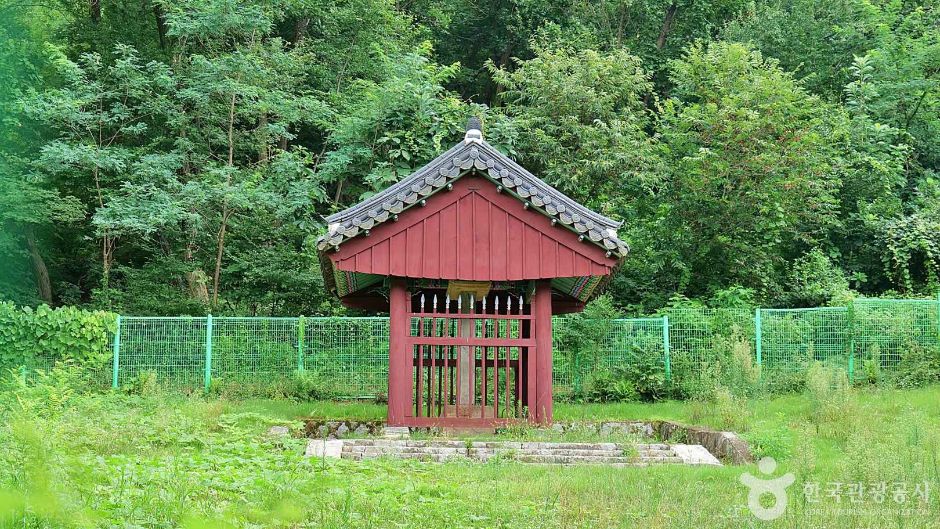
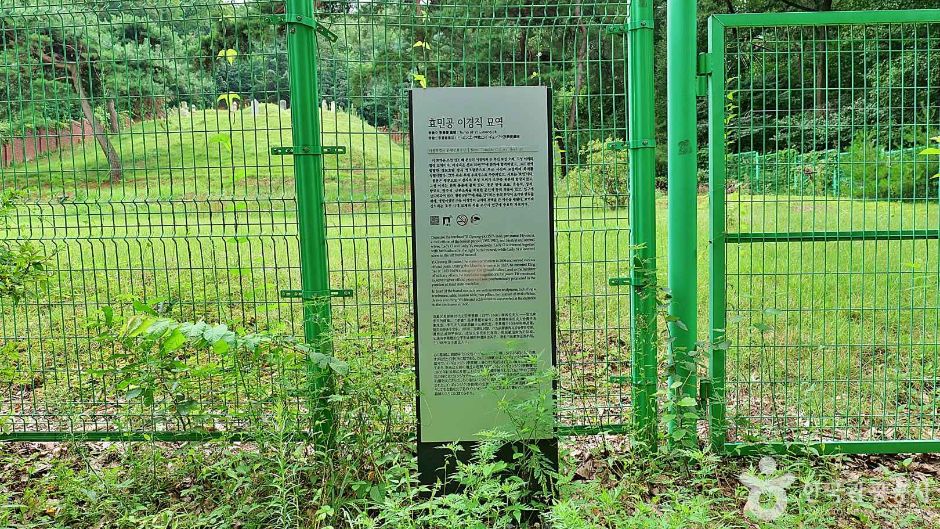
- Valuable Resource for Joseon-era Burial Practices Research The area around the master’s tomb provides important material for studying the burial practices of the Joseon period.
- Treasure Trove for Historical Figure Research Understanding the fierce life and achievements of Master Yi Gyeong-jik adds depth to the understanding of mid-Joseon history.
- Artistic Value The sindobi, erected with the participation of literati and master calligraphers of the time, beautifully showcases the art of stone steles from the mid-Joseon period.
An Invitation into Tranquil History: Hyomin-gong Yi Gyeong-jik Cemetery Visitor Guide
If you wish to escape from your busy daily life for a while and experience the tranquility of history, the Hyomin-gong Yi Gyeong-jik Cemetery will be an excellent choice. This is a meaningful place where you can feel the wisdom and traces of life of our ancestors. Visitors can walk through the expansive cemetery and honor the master’s noble spirit.
Directions to the Cemetery
Located in a relatively secluded area, it is suitable for spending quiet time away from the hustle and bustle of the city center. Using a private car is the most convenient, and if using public transport, we recommend walking from the nearest stop or taking a taxi. Please refer to the map below for the exact location.
Checklist for a More Rewarding Visit
- Check Information Before Visiting Confirm the cemetery’s opening hours and other guidelines in advance to avoid unnecessary waiting.
- Wear Comfortable Attire It is recommended to prepare comfortable shoes and clothing for walking around the cemetery.
- Prepare According to Season On sunny days, bring a hat and sunglasses; on cold days, wear warm clothing.
- Respect the Surroundings Please observe quietly so as not to disturb the tranquil atmosphere of the cemetery, and refrain from eating outside designated areas.
Nearby Attractions
- Nearby Seowon You can broaden your historical education by visiting other seowon (Confucian academies) or shrines located nearby.
- Natural Scenery Taking a stroll through the beautiful natural scenery around the cemetery is also a good way to relax. Occasionally, hidden walking trails can be discovered.
Following the Footsteps of History, A Journey to Discover True Value
Our past is a mirror reflecting the present, and a source of wisdom for shaping the future. The Hyomin-gong Yi Gyeong-jik Cemetery is a precious space that, through such traces of the past, makes us reflect once again on the reasons and direction of our lives. Learning about the grand currents of history through the noble life of one individual, and reflecting on our present selves within that context, will undoubtedly be a meaningful experience.
We hope that all visitors to this place will go beyond a simple historical site tour, deeply feeling the spirit of Master Yi Gyeong-jik and the breath of the Joseon period. For history is living knowledge, and that knowledge will enrich us even further.
Frequently Asked Questions
Q1. What is the Hyomin-gong Yi Gyeong-jik Cemetery?
It is a historical site featuring the tomb of Master Yi Gyeong-jik, a civil official of the mid-Joseon period, along with a sindobi commemorating his lifelong achievements. It is a valuable space where one can glimpse the life of an individual who lived through a turbulent era and the burial practices of the Joseon period.
Q2. Why is the sindobi important?
A sindobi is a stele that meticulously records the life and achievements of a king or high official, serving as a highly important resource for studying the history, culture, and artistic styles of its time. The Yi Gyeong-jik Sindobi also possesses such historical and academic value.
Q3. Are there any special precautions to take when visiting?
The cemetery is a sacred space where the deceased rest, so it is important to maintain a quiet and respectful demeanor. Please refrain from eating outside designated areas and help preserve the cleanliness of the surroundings.
Q4. Are there other attractions nearby worth visiting?
There may be other seowon (Confucian academies) or shrines near the cemetery where you can experience the ambiance of the Joseon period. Checking local tourist information before your visit can help you plan a richer historical trip.
Q5. Is admission to the cemetery paid or free?
Most private cemeteries are often open to the public for free, without a separate admission fee. However, we recommend checking the latest information before your visit. Even if facilities charge a fee, it’s usually a minimal maintenance cost collected by the management office.