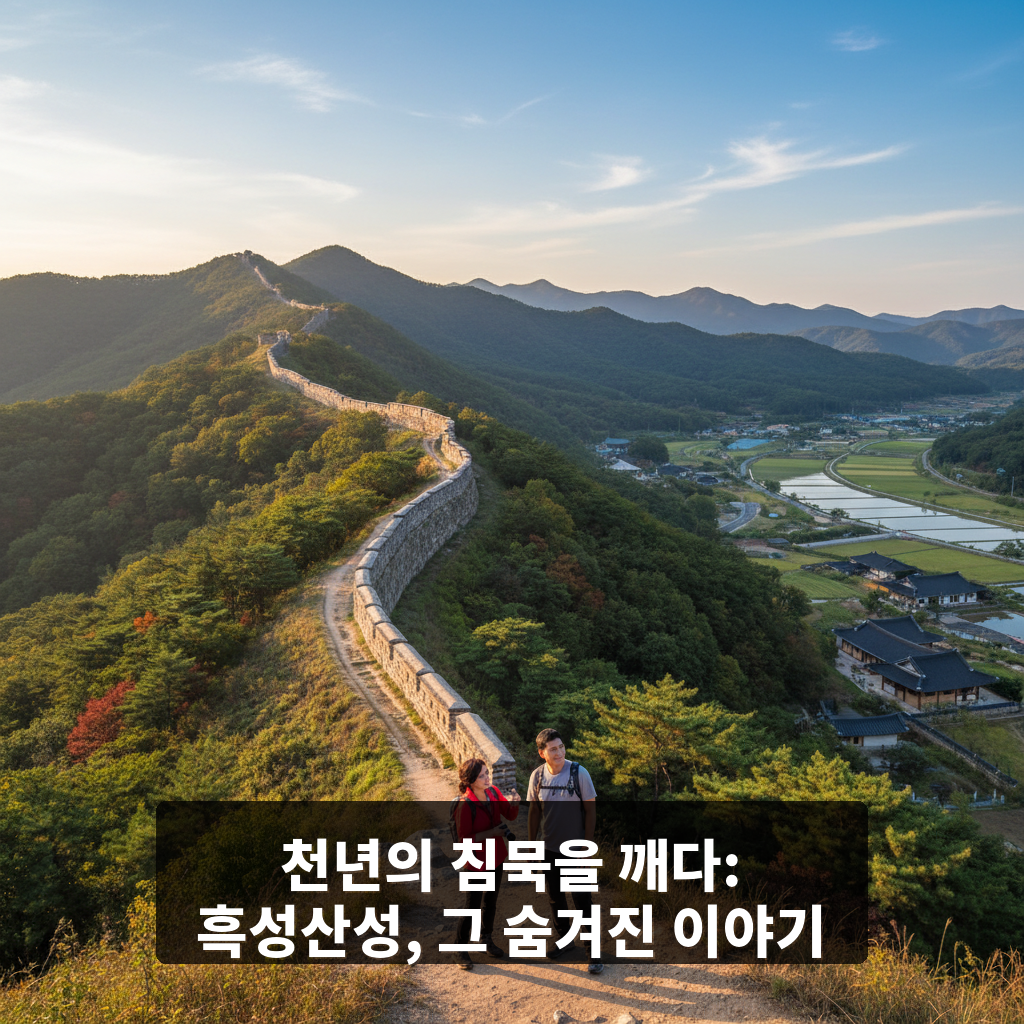
Breaking a thousand years of silence: Heukseongsanseong, its hidden story


Sometimes, while walking on a quiet forest path, you might suddenly encounter a piece of stone wall where you can feel the weight of time. What stories do these individual bricks hold? Today, we will head to Heukseongsanseong Fortress in Mokcheon-eup, Cheonan-si, to find the answer to that question, which has been buried in history for a long time.
This is not just a ruin. From the Goryeo Dynasty to the Joseon Dynasty, it is a historical site located in the heart of Heukseongsan Mountain, which endured numerous historical upheavals as a strategic stronghold. This fortress wall, where you can feel the breath of the past with every step you take, will vividly show us the forgotten pieces of time.
From now on, let’s deeply explore the historical value that Heukseongsanseong Fortress holds, the charming scenery around it, and the reasons why we should visit this place. Are you ready?
Heukseongsanseong Fortress as encountered through records, A Journey Defying Time
Cheonan Heukseongsanseong Fortress is a valley-enclosing stone fortress built to envelop the peak of Heukseongsan Mountain. With a circumference of approximately 570m, Dalha it was solidly constructed by stacking stones. Although much of it is now damaged, making it difficult to imagine its original magnificent appearance, the remaining traces alone offer a glimpse into the technology and strategy of that era.
In ancient literature, what did Heukseongsanseong Fortress look like?
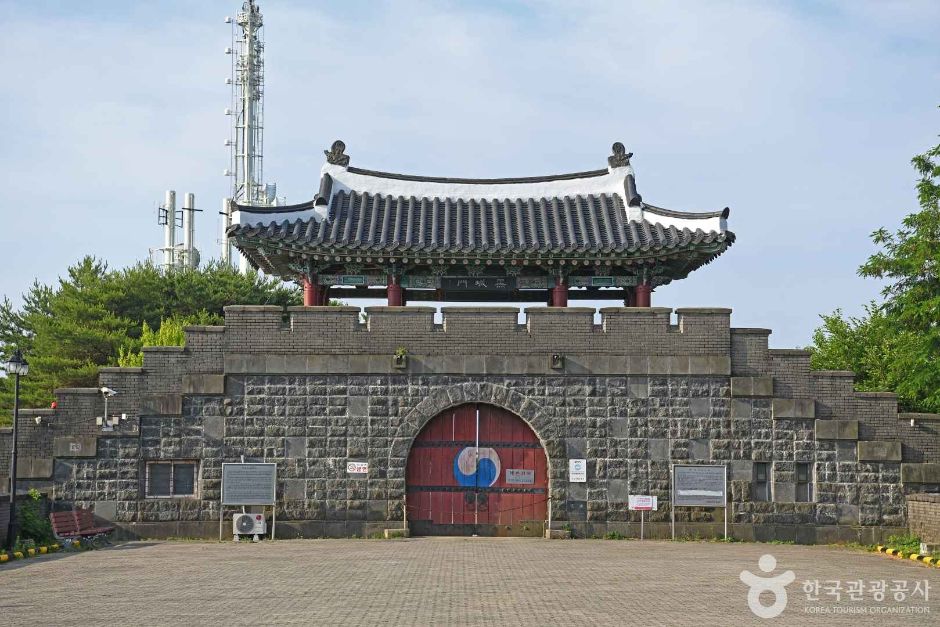
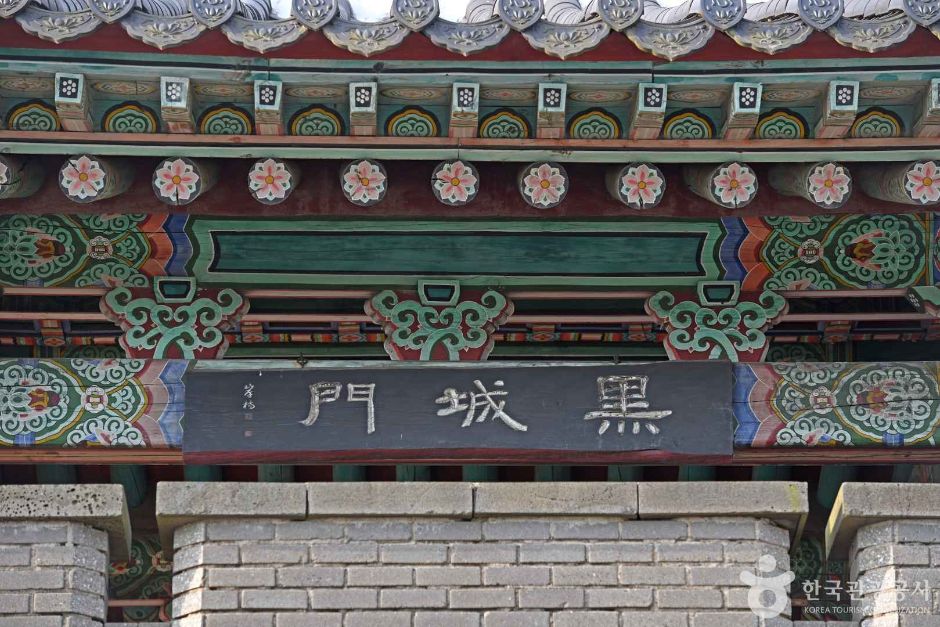
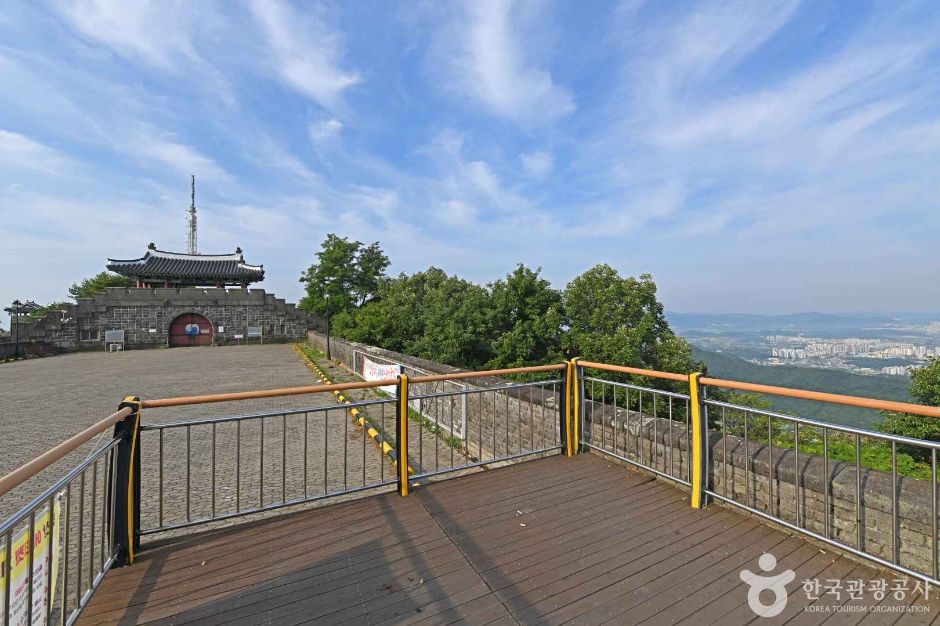
- Records in the “Sejong Sillok Jiriji” It states that there was one well and one spring inside the fortress, but they occasionally dried up during summer or winter. This allows us to infer the water supply situation within the fortress and the daily life of the time.
- Records in the “Sinjeung Dongguk Yeoji Seungnam” It is recorded that the fortress wall was 6 cheok (approximately 1.8m) high, and there was a pond in the center of the fortress. The relatively low fortress walls suggest the possibility that they served as watchtowers to monitor the surrounding area rather than for defense.
These records show that Heukseongsanseong Fortress not only served as a simple stronghold but also played a role as a living space alongside its military functions. If you walk along the fortress wall imagining the wells and ponds that no longer remain, it will be an even more immersive historical exploration.
Heukseongsanseong Fortress Today, Value Beyond Damaged Beauty
It is not easy to maintain an intact appearance in the face of time. Heukseongsanseong Fortress is no exception. Although most of the fortress wall has collapsed and only parts remain as traces, it is precisely within this damaged state that one can discover a serene yet poignant beauty. The old fortress site, seemingly integrated with nature, offers visitors a time for contemplation.
Encountering Cheonan’s Hidden Scenery from the Fortress
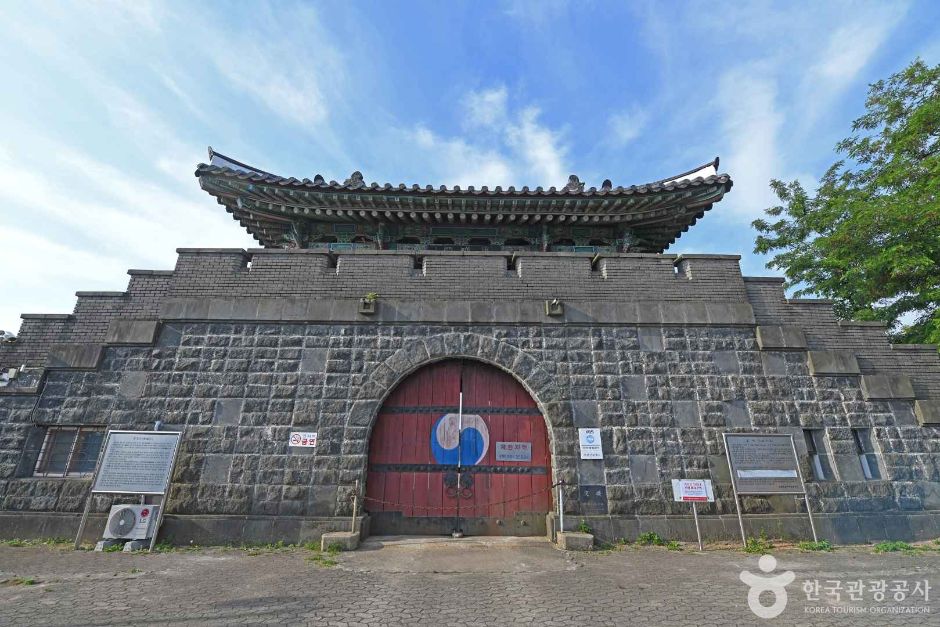
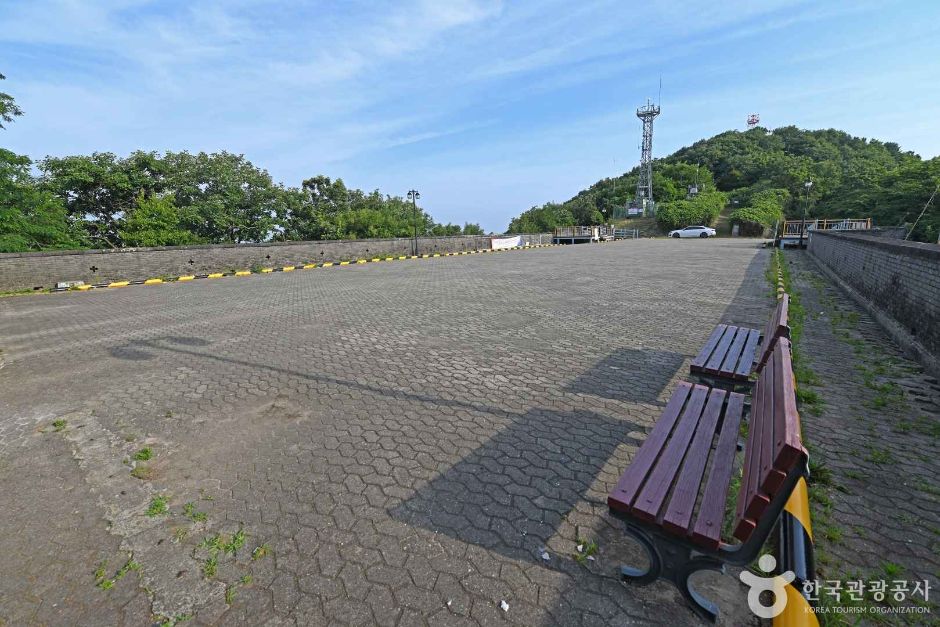
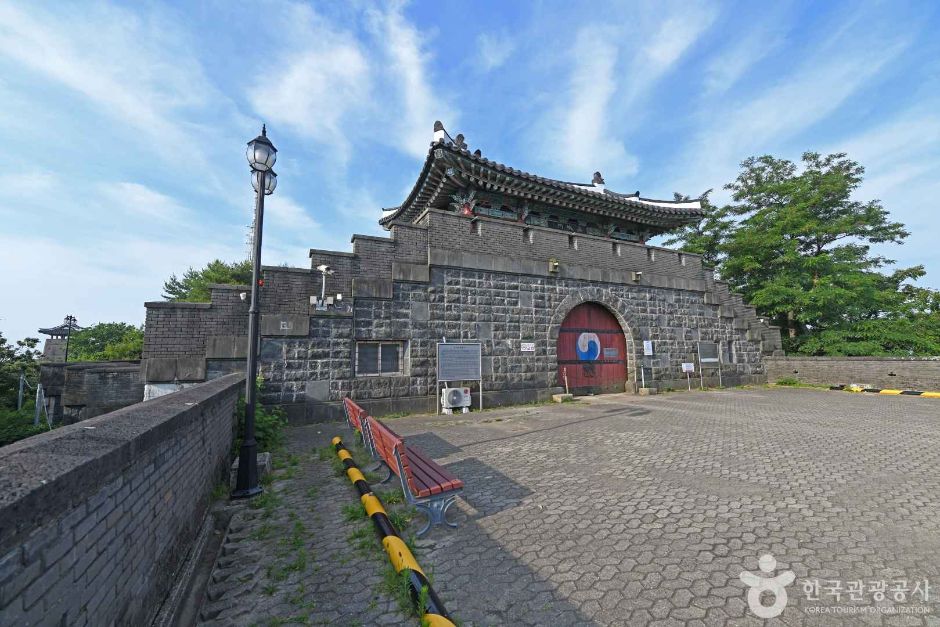
The area around Heukseongsanseong Fortress boasts a beautiful view overlooking the entire city of Cheonan. Especially at sunset and at night, the lights of Cheonan city create a spectacular scene, making it a popular spot for many photographers. Those who defended this fortress in the past must also have looked upon the same scenery here, wishing for the peace of the nation.
Practical Tips for Your Visit
- Comfortable Shoes are Essential The path up to the fortress may be steep or unpaved, so it is recommended to wear comfortable hiking boots or athletic shoes.
- Seasonal Preparations In summer, prepare a hat and water; in winter, warm clothing and non-slip gear. As recorded in the “Sejong Sillok Jiriji”, wells may dry up, so be sure to bring drinking water.
- Cultural Heritage Protection The remaining fortress walls and historical relics are valuable cultural heritage. Please be careful not to touch or damage them, and use the designated hiking trails.
Heukseongsanseong Fortress: How to Get There?
Located in Mokcheon-eup, Cheonan-si, Chungcheongnam-do, Heukseongsanseong Fortress offers good accessibility. When using public transportation, you can take a bus from downtown Cheonan to Mokcheon-eup, then take a taxi or walk to the Heukseongsan Mountain trail entrance. If you are driving, it is convenient to search for ‘Heukseongsanseong Fortress’ or ‘Heukseongsanseong Parking Lot’ on your navigation system.
| Category | Content |
|---|---|
| Address | Mokcheon-eup, Cheonan-si, Chungcheongnam-do |
| By Car | Search for ‘Heukseongsanseong Fortress’ on navigation and use the parking lot at the trail entrance (Check on-site whether it’s free/paid) |
| Public Transport | Take a city bus towards Mokcheon-eup from Cheonan Station or Terminal and get off, then take a taxi or walk to the trail entrance. |
Before visiting, it is also a good idea to contact the Heukseongsanseong Fortress Management Office or the Cheonan City Hall Culture and Tourism Division to confirm the latest information.
Around Heukseongsanseong Fortress, Discovering Other Charms of Cheonan
If you have finished exploring Heukseongsanseong Fortress, it is also a good idea to visit other historical sites or natural landscapes in Cheonan. Nearby, there are many places where you can experience history and culture, including the Independence Hall of Korea, allowing you to spend a fulfilling day.
Cheonan’s Attractions, Embracing History and Nature
- Independence Hall of Korea A place where you can see the history of Korea’s independence movement at a glance, it is good for spending educational time with children.
- Yu Gwan-sun Patriot’s Historic Site A place commemorating the spirit of Patriot Yu Gwan-sun, a key figure in the March 1st Movement, where you can experience the site of noble history.
- Cheonan Walnut Cake Street A place where you can taste Hodugwaja (walnut cakes), a specialty of Cheonan, and purchase various souvenirs. Sweeten the end of your trip.
- Arario Gallery A unique space where you can appreciate contemporary art, and gain cultural inspiration.
Following the Traces of a Thousand Years, Insights Gained at Heukseongsanseong Fortress
Although Heukseongsanseong Fortress has lost its complete appearance, the remaining fragments of its walls and the view from there alone offer ample historical significance and emotion. Understanding the present through the traces of the past and imagining the future will be the greatest gift that historical travel can offer.
How about taking a break from your hectic daily life to feel the breath of our ancestors at Cheonan Heukseongsanseong Fortress and find inner peace amidst the tranquility of nature? Your own special story will begin there.
Frequently Asked Questions
Q1. When was Heukseongsanseong Fortress built?
The exact construction period has not been clearly identified, but it is presumed to have been used from the Goryeo Dynasty through the Joseon Dynasty. Records remain in Joseon Dynasty literature such as the “Sejong Sillok Jiriji” and “Sinjeung Dongguk Yeoji Seungnam”.
Q2. Is there anywhere to get drinking water near Heukseongsanseong Fortress?
The “Sejong Sillok Jiriji” records that there were wells and springs inside the fortress, but they occasionally dried up. Currently, there are no separate drinking water facilities, so it is recommended to bring enough personal drinking water when visiting.
Q3. How long does it take to visit Heukseongsanseong Fortress?
It may take about 2-3 hours round trip on foot from the Heukseongsan Mountain trail entrance to the fortress. Considering time for exploring the fortress site and appreciating the surrounding scenery, it is advisable to allow a total of 3-4 hours.
Q4. I heard that you can see the night view from Heukseongsanseong Fortress, is it safe?
Heukseongsanseong Fortress is famous as a night view spot offering a panoramic view of Cheonan city. However, visibility can be difficult at night and safety facilities may be insufficient, so it is strongly recommended to prioritize safety and go with at least two people.
Q5. Is there a parking lot near Heukseongsanseong Fortress?
Yes, there is a parking lot near the Heukseongsan Mountain trail entrance. Whether parking is paid or free may vary depending on the on-site situation, so it is best to check before visiting or arrive with ample time.