A tragic record engraved in the heart of Taebaeksan, Danjongdaewangbi


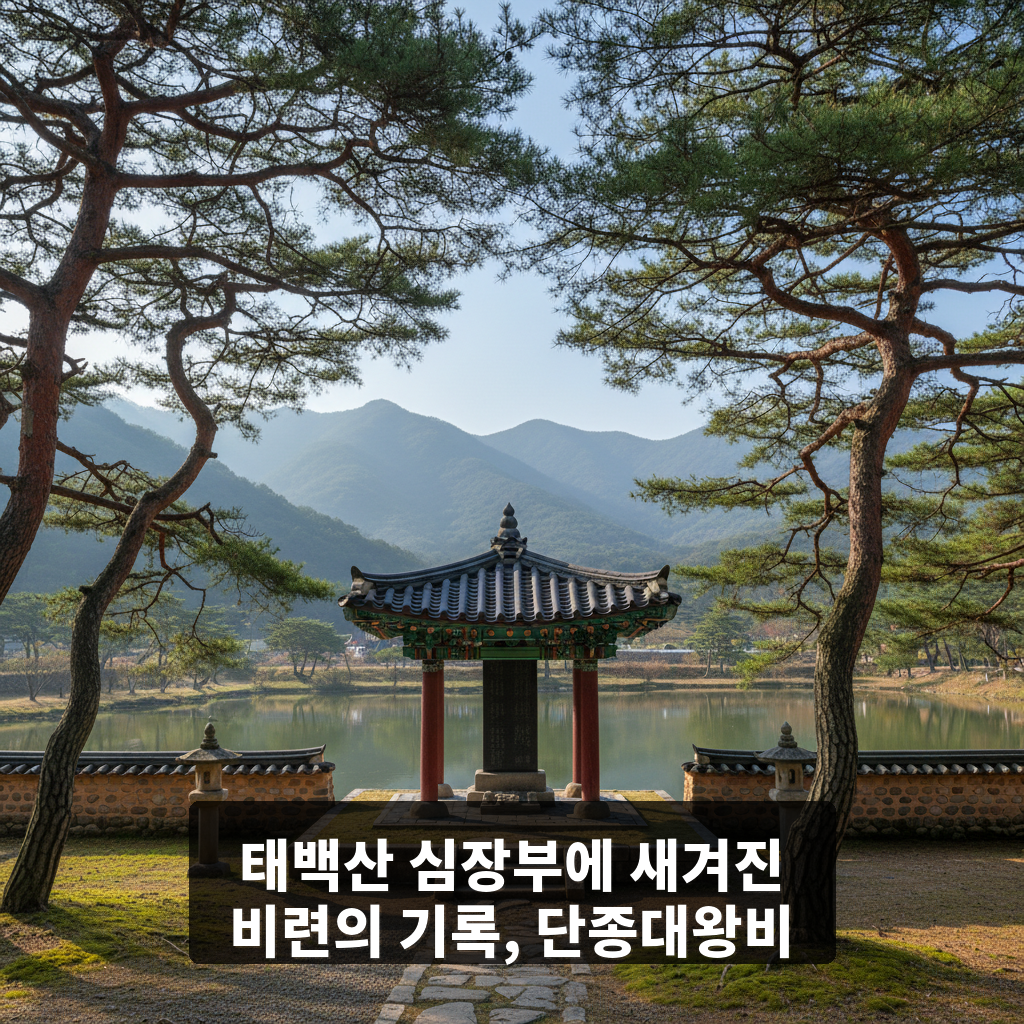
Deep within Taebaeksan, in a place where countless hikers’ footsteps pass, a stele pavilion (bigak) preserving the tragic fate of a young king breathes. What story began here, and what did this stone monument want to say? The Danjongdaewangbi, holding the pain of Joseon as it is, is more than just a stone monument; it is a testament to a sorrowful history that has continued for hundreds of years.
This stele pavilion, encountered on the path to the summit, approaches with an even more poignant presence amidst the majestic nature. Shall we begin a journey to turn the pages of history and glimpse the sorrow of a king and the hearts of those who tried not to forget him?
A Record of Tragic Love Etched in the Heart of Taebaeksan
The Danjongdaewangbi is a stele pavilion erected in 1698 (24th year of King Sukjong) when the tomb of the unfortunate king Nosangun (Danjong) was posthumously honored as Jangneung. Located about 100m from Yongjeong in Taebaeksan towards Cheonjedan, it offers a subtle resonance to those ascending the mountain. On the front of the stele pavilion hangs a signboard known to be written in the hand of Monk Tanheo, with the inscription ‘Danjong Bigak’, further emphasizing its presence. This stele is also imbued with a poignant legend passed down orally, stimulating visitors’ imaginations.
The Tragedy of the Young King, Following His Faint Traces
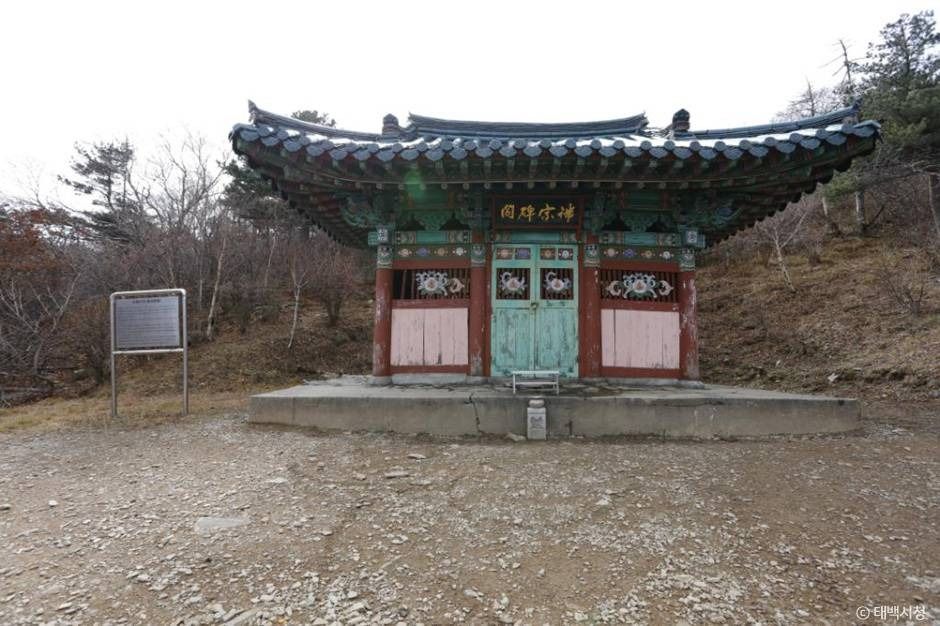
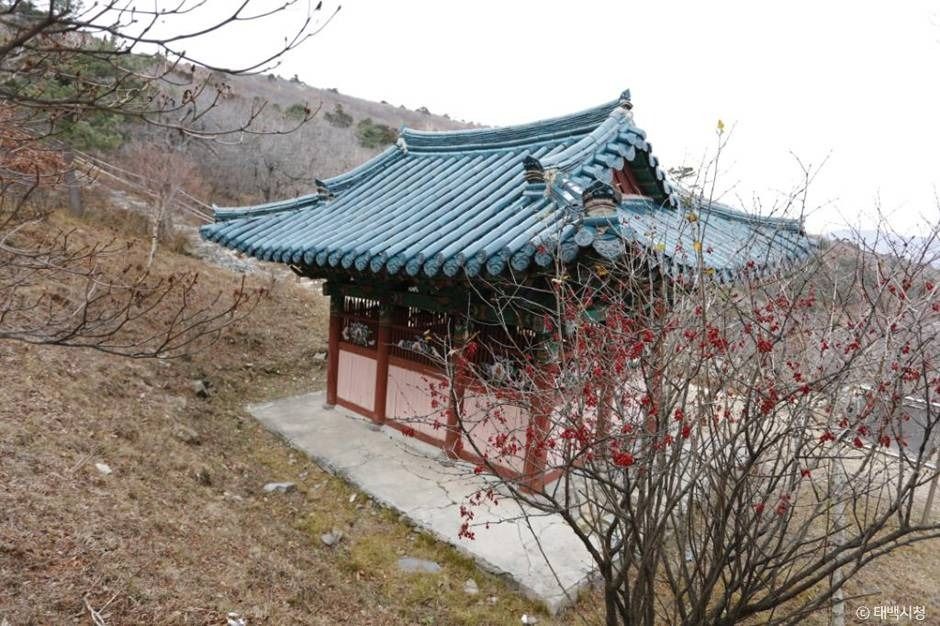
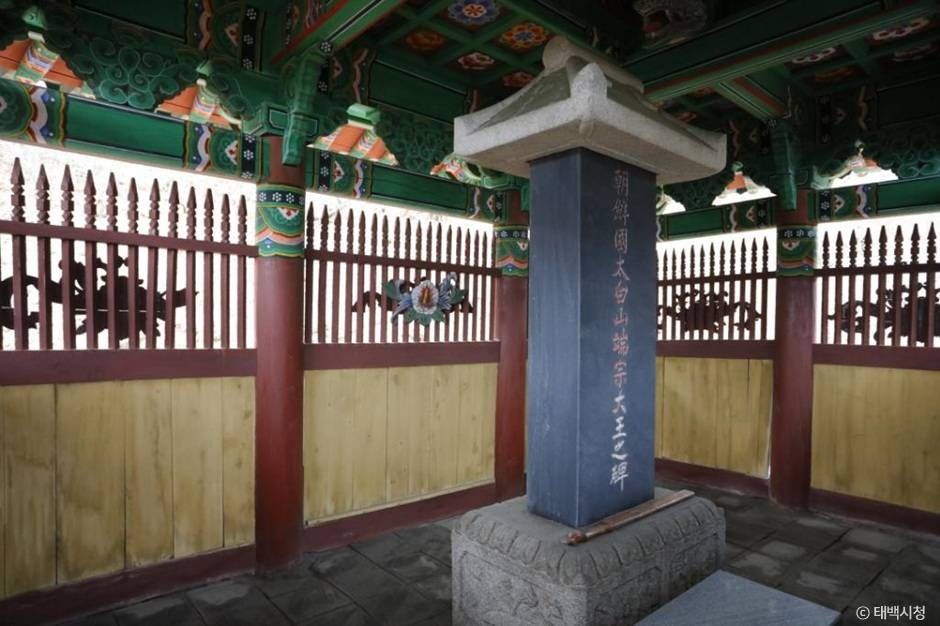
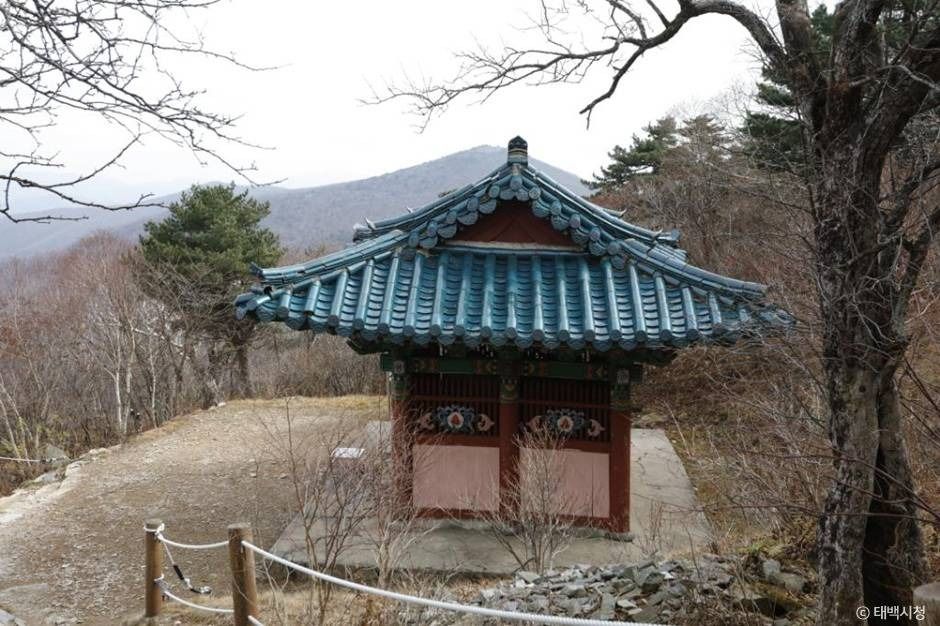
When you reach a point approximately 500m below Manggyeongsa Temple on the Taebaeksan hiking trail, you can find a stele pavilion with the inscription ‘Joseonguk Taebaeksan Danjongdaewangbi’ (朝鮮國太白山端宗大王碑). Erected in the late 17th century to honor Danjong’s spirit as the movement for his reinstatement gained momentum, this stele fully embodies the pain of the young King Danjong, who became a victim of the struggle for royal power. The stele pavilion, built deep in the rugged mountains, seems to represent both the harshness of history and the earnest wishes of the common people who sought not to forget him.
- Date of Installation: 1698 (24th year of King Sukjong), the year Danjong’s tomb was posthumously honored as Jangneung
- Location: Approx. 100m from Yongjeong in Taebaeksan towards Cheonjedan, along the hiking trail about 500m below Manggyeongsa Temple
- Inscription on Signboard: ‘Danjong Bigak’ known to be written in the hand of Monk Tanheo
- Inscribed Phrase: ‘Joseonguk Taebaeksan Danjongdaewangbi’ (朝鮮國太白山端宗大王碑)
Following the King’s Sorrowful Footsteps: The Historical Link Between Taebaek and Yeongwol
Interestingly, in addition to this Taebaeksan, a stele pavilion commemorating Danjong is also erected at Jangneung in Yeongwol, where he was exiled and met his end. The fact that Danjong’s history and traces can be observed in both regions shows how much his tragic life evoked deep sympathy and mourning from many people. The Taebaeksan Danjongdaewangbi has a strong meaning of commemorating the spirit of Danjong, who became a mountain god.
The Different Meanings Held by the Two Stele Pavilions
| Category | Taebaeksan Danjongdaewangbi | Yeongwol Jangneung Bigak |
|---|---|---|
| Background of Establishment | Commemorating Danjong’s spirit and announcing his reinstated status (imbuing meaning as a mountain god) | Protecting Danjong’s tomb (Jangneung) and elevating his honor |
| Location | Taebaeksan hiking trail, located in nature | Within Jangneung, Danjong’s tomb |
| Meaning | Related to the legend that Danjong became the mountain god of Taebaeksan, comforting his spirit | Symbolizing Danjong’s legitimacy and dignity as a Joseon royal tomb |
| Accessibility | Mainly exposed to hikers | Exposed to visitors of historical sites |
As such, while both stele pavilions commemorate the same king, they each hold different contexts and meanings. The stele pavilion in Taebaeksan can be seen as symbolizing the heartfelt commemoration by the common people in nature, while the stele pavilion in Yeongwol symbolizes the national effort to restore the king’s honor.
Feeling Danjong’s Breath: A Guide to Visiting Taebaeksan Danjongdaewangbi
The path to Danjongdaewangbi offers an experience of enjoying the beautiful nature of Taebaeksan while stepping into history. As you walk along the green forest path, you can feel the emotion of discovering a forgotten piece of history in the sudden appearance of the stele pavilion. Take some time to ponder the story contained within, rather than just passing by the scenery.
How to Get There?
The stele pavilion is located on the Taebaeksan hiking trail, so it’s best to include it as part of your Taebaeksan hike. Especially if you take the Manggyeongsa Temple course, you will naturally pass by the stele pavilion.
Address: Gangwon Taebaek-si Sodong-dong San4834-31
Tips to Know Before Visiting
- Hiking Preparation: Since the stele pavilion is on a hiking trail, it’s advisable to prepare comfortable hiking shoes and attire, sufficient water, and snacks.
- Time Planning: Even if you don’t climb all the way to the Taebaeksan summit, it can take several hours round trip to go via Manggyeongsa Temple to the stele pavilion, so plan your schedule leisurely.
- Connecting with Nearby Attractions: Visiting with nearby attractions such as Taebaeksan Cheonjedan, Manggyeongsa Temple, and Taebaeksan Provincial Park will make for a richer trip.
- Learning Historical Background: If you learn about the history related to Danjong beforehand, the impression given by the stele pavilion will be even deeper.
Places to Enjoy Nearby?
- Taebaeksan Cheonjedan: It is an ancient ritual site for heavenly rites located at the summit of Taebaeksan, the sacred mountain of our nation. It’s not far from the stele pavilion, making it good to visit together.
- Manggyeongsa Temple: A tranquil temple nestled on the slopes of Taebaeksan, where you can experience serenity amidst beautiful scenery.
- Taebaek Coal Museum: A place where you can glimpse the history of the coal industry, which was Taebaek’s main industry, allowing you to follow the footsteps of history and industry.
Echoes of History, The Message Conveyed by Danjongdaewangbi
The Taebaeksan Danjongdaewangbi is not merely an old artifact. It is a historical symbol imbued with the earnest wishes of the common people to remember a human’s tragic life and to carry on their tender feelings for him for eternity. When walking along the winding hiking trail and encountering this stele pavilion, pause for a moment and ponder the story it holds. Amidst the magnificent nature, the faint echoes of history will convey a deep resonance within your heart as well.
Frequently Asked Questions
Q1. Where is Taebaeksan Danjongdaewangbi located?
It is located approximately 100m from Yongjeong in Taebaeksan towards Cheonjedan. It can be found about 500m below Manggyeongsa Temple on the hiking trail, corresponding to Gangwon Taebaek-si Sodong-dong San4834-31.
Q2. What historical background does Danjongdaewangbi have?
It is a stele pavilion erected in 1698 (24th year of King Sukjong) to commemorate the spirit of the unfortunate King Danjong (Nosangun) when his tomb was posthumously honored as Jangneung. It is also deeply related to the legend that Danjong became the mountain god of Taebaeksan.
Q3. I heard there’s also a Danjong stele pavilion at Yeongwol Jangneung; what’s different from the Taebaeksan stele pavilion?
Both stele pavilions commemorate Danjong, but the Taebaeksan stele pavilion has a strong meaning of comforting his spirit, along with the legend that Danjong became the mountain god of Taebaeksan. In contrast, the Yeongwol Jangneung Bigak has a greater national significance, protecting Danjong’s tomb and honoring his dignity as a king.
Q4. Do I have to hike to visit Danjongdaewangbi?
Yes, Danjongdaewangbi is located in the middle of the Taebaeksan hiking trail, so you need to access it by hiking. You can visit relatively easily if you use the Manggyeongsa Temple course.
Q5. Are there other attractions worth visiting around Danjongdaewangbi?
Yes, there are various sights around, including Taebaeksan Cheonjedan, Manggyeongsa Temple, and Taebaeksan Provincial Park. Taebaek Coal Museum is also nearby, making it a great place to experience history and culture together.