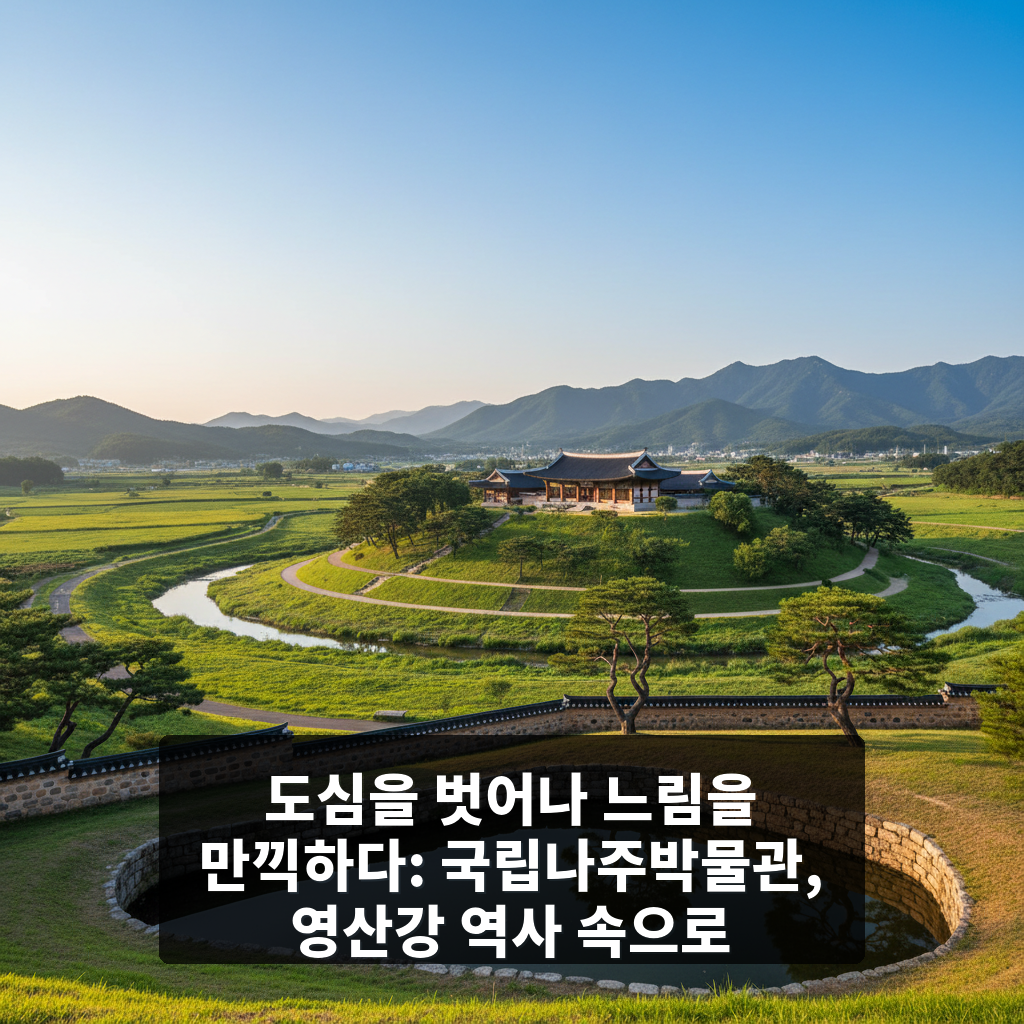
Escape the city center and savor the slow pace: National Naju Museum, into the history of Yeongsan River


In the midst of a busy daily life, when you need a moment to pause, where do you head? If you want to feel the radiant breath of history amidst tranquil nature, National Naju Museum nestled in the countryside will be the perfect answer. This is not just an exhibition space but a new concept of cultural resting place where advanced technology and nature harmonize.
As an affiliated institution of the National Museum of Korea, this place preserves and exhibits archaeological materials carefully preserved in the Yeongsan River basin, and also serves as an important repository for excavated cultural properties in the Honam region. What special experience will we have here?
A Space to Walk Through Time, History Experienced with All Five Senses
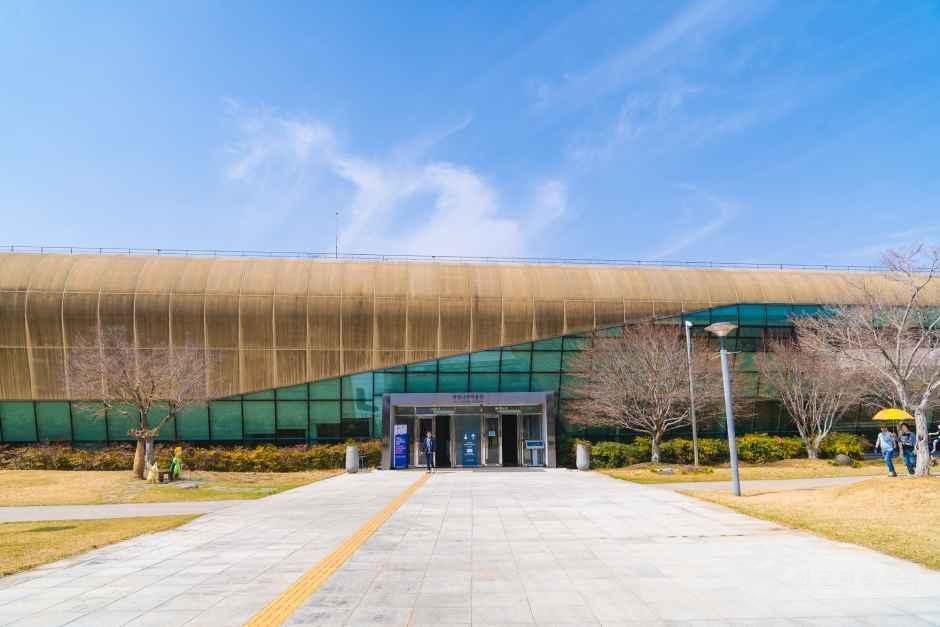
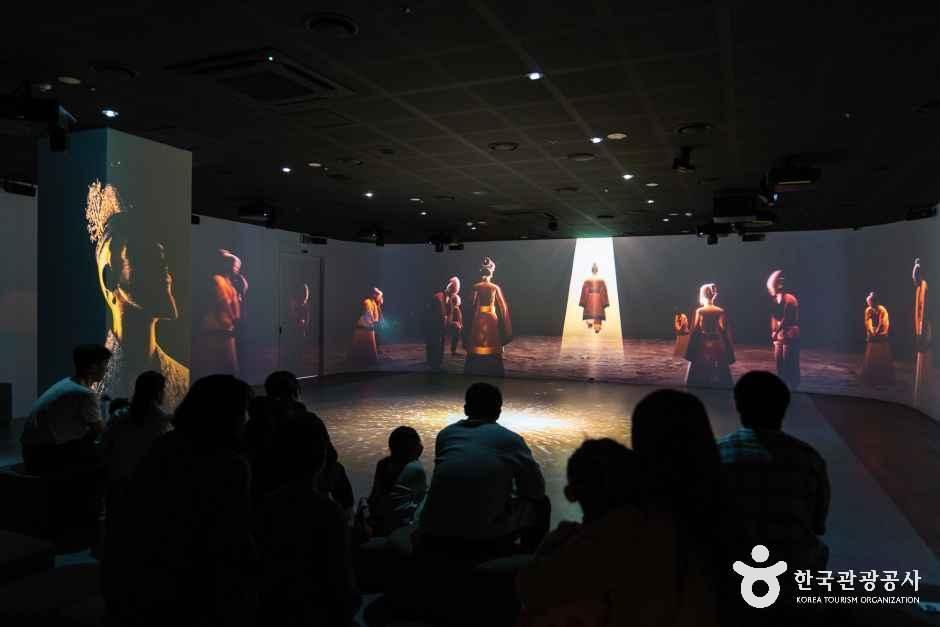
The National Naju Museum is unusually located in the countryside, away from the city center, for a national museum, offering visitors the true ‘aesthetics of slowness’. The experience of appreciating ancient cultural heritage amidst open nature is a rest in itself. This place goes beyond merely showing the past, expanding the horizon of viewing with a future-oriented approach.
New Viewing Experience Created by Advanced Technology
- Smart Exhibition Guide As the first museum in Korea to introduce an exhibition guide system utilizing smartphone NFC technology, you can get detailed information about exhibits in your hand, share them on social media, and communicate in real-time. Enjoy exploring history at your own pace and in your own way.
- Open Storage Large viewing windows have been installed in two of the six storage facilities, allowing direct viewing of the interior of the storage, which is usually difficult to access. This provides a unique experience, like peeking into a treasure trove, and also a special opportunity to learn about the importance of preserving collections.
- Relaxation in the Rooftop Garden The museum’s rooftop garden is another attractive feature. It’s a great space to reflect on the exhibition while feeling the breeze from the Yeongsan River under the blue sky, or to momentarily escape daily life and engage in contemplation. Capture the diverse aspects of the museum at a glance here.
These innovative attempts have transformed the National Naju Museum from a mere artifact repository into a vibrant cultural complex. Important historical sites in the Yeongsan River basin, including the Sinchon-ri Tombs, shine brightly here.
Where to Start? Naju Museum Tour Route Guide
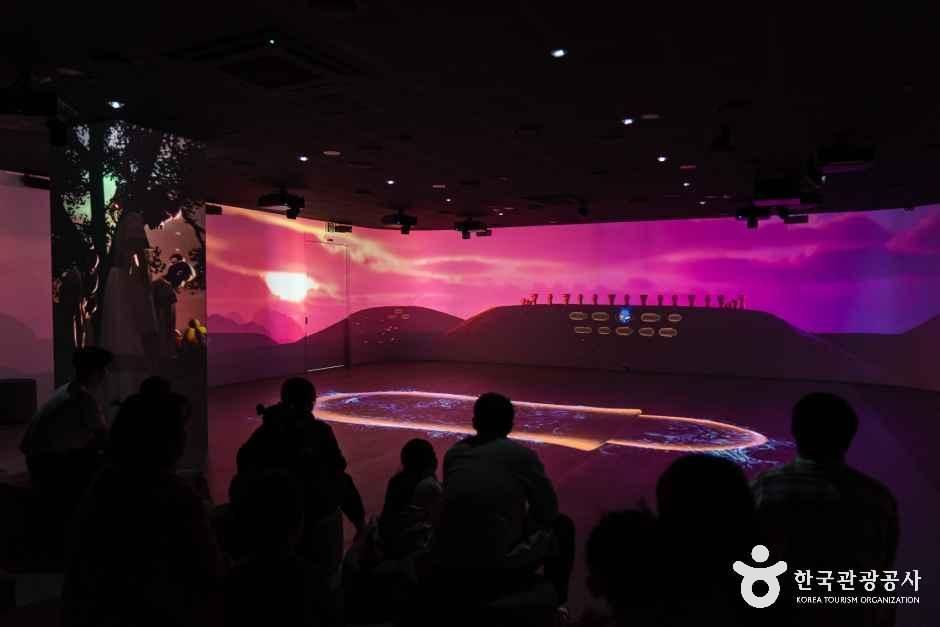
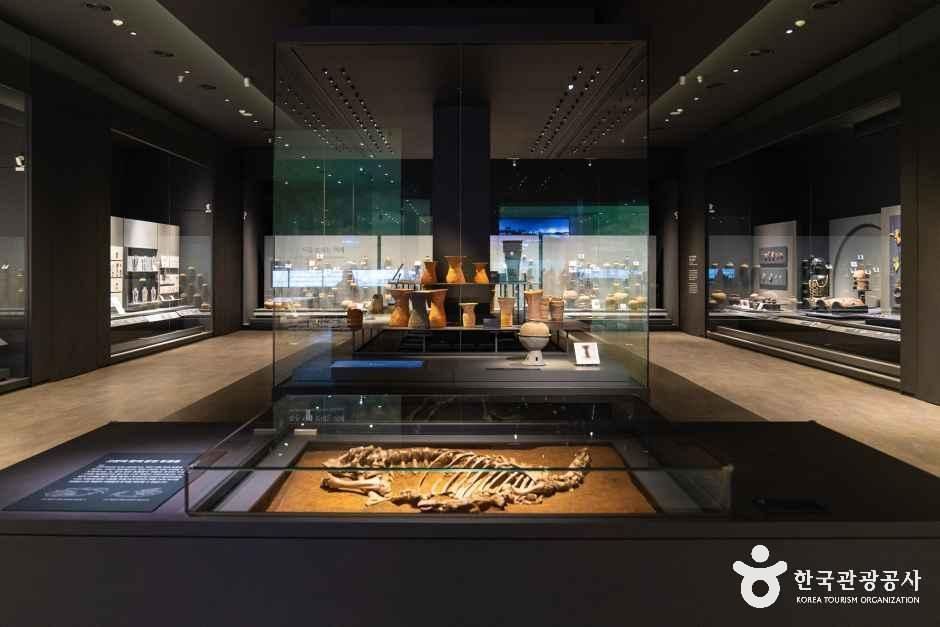
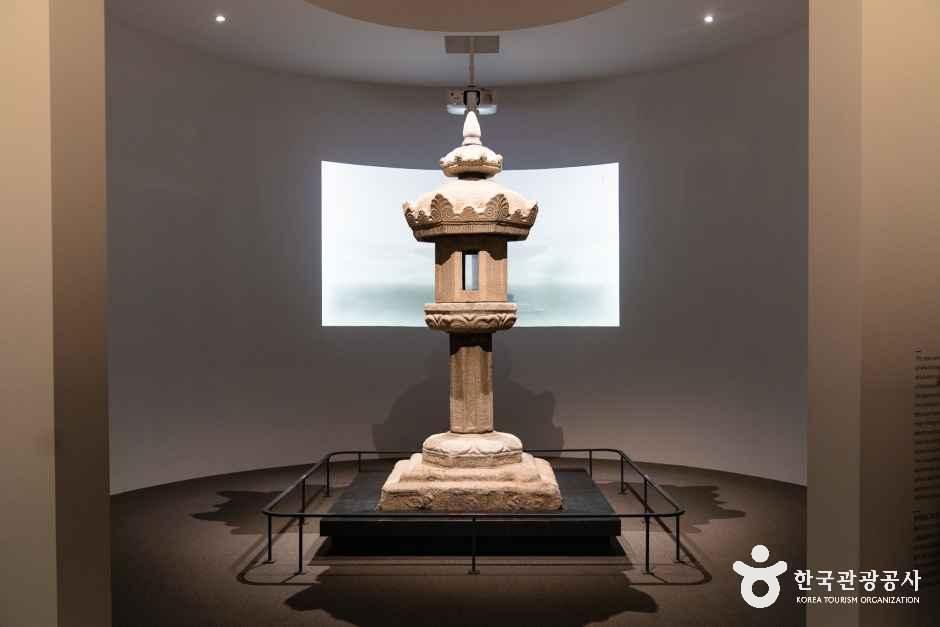
The National Naju Museum exhibits the historical flow from prehistoric times to Mahan, Baekje, and Goryeo, focusing on the ancient culture of the Yeongsan River basin. We suggest a tour route to efficiently appreciate the vast artifacts.
Checklist of Must-See Exhibition Highlights
- Step 1 First, in Permanent Exhibition Hall 1, you can explore the prehistoric culture of the Yeongsan River basin, starting with the establishment and growth of Mahan. The magnificent jar coffin artifacts prove the unique culture of this place.
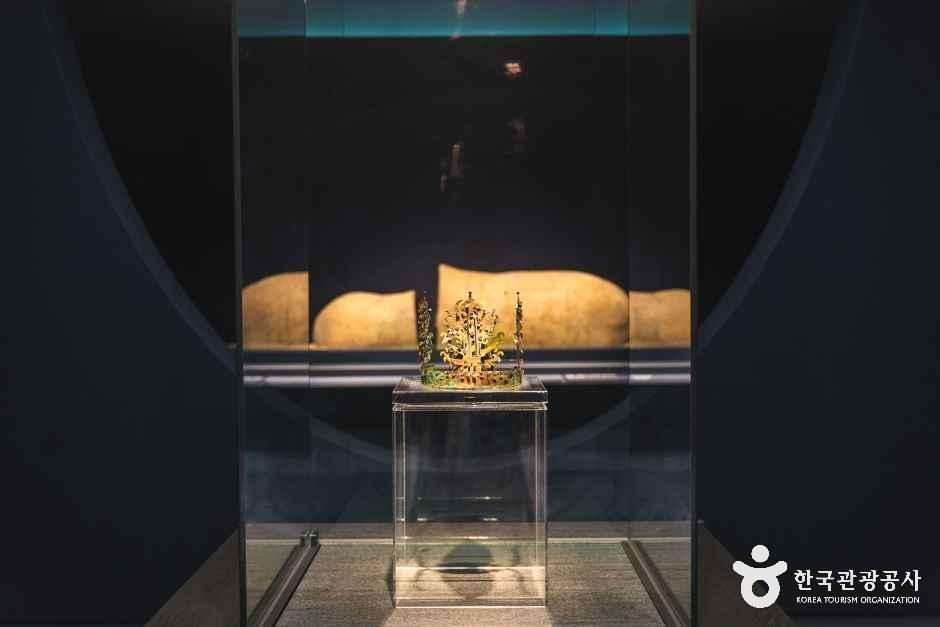
- Step 2 Move to Permanent Exhibition Hall 2 to understand the relationship between Mahan and Baekje, and the changes in the Naju region. In particular, splendid artifacts, including gilded bronze crowns, give an idea of their status at the time.
- Step 3 The Special Exhibition Hall hosts various themed exhibitions by period, so it is recommended to check the website before visiting and add them to your tour route.
- Step 4 Finally, go up to the rooftop garden to enjoy the open view, conclude your experience of the exhibition, and if possible, visit the open storage to see the artifact preservation site firsthand.
Beyond the Museum, Exploring the Tranquil Charms of Naju
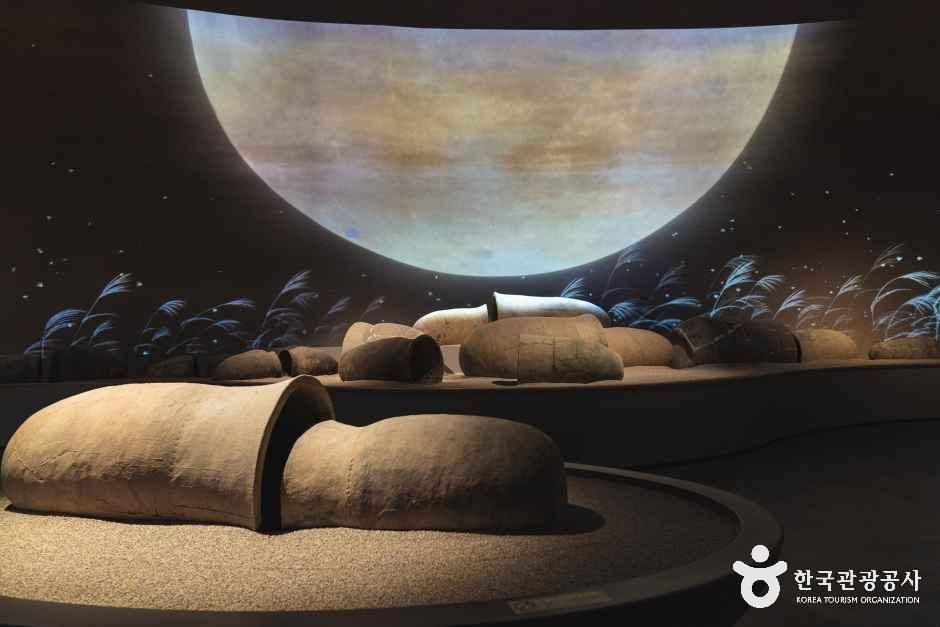
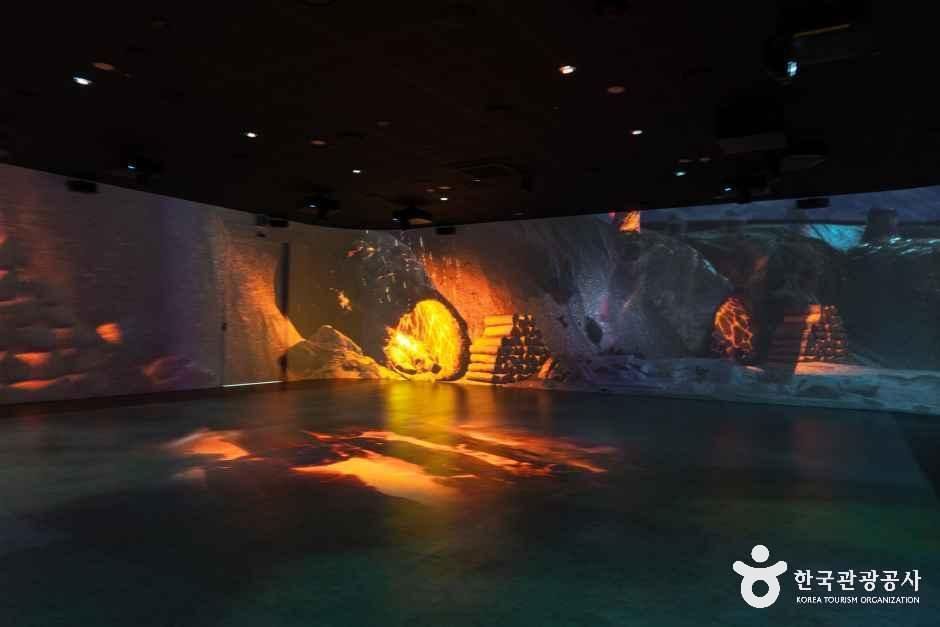
Even after visiting the National Naju Museum, Naju offers a wealth of attractions and delicious food that will captivate you. Embark on a journey to discover Naju’s hidden charms along with the museum.
Naju’s Unmissable History and Cuisine
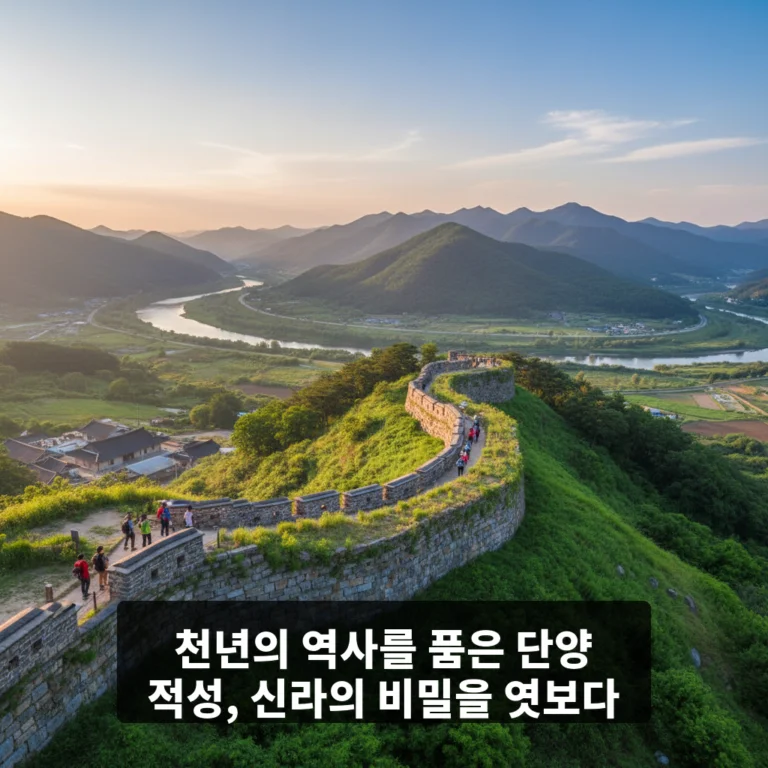
- Naju Eupseong Fortress Naju Eupseong Fortress, an important strategic point in the Honam interior, allows you to feel the grandeur of the past through its well-preserved walls and gate towers. Walk along the tranquil fortress walls and follow the footsteps of history.
- Yeongsanpo Hongeo Street If you’re a gourmand, don’t miss Yeongsanpo Hongeo Street to taste Naju’s delicacy. The unique strong taste and aroma of fermented skate will create unforgettable memories.
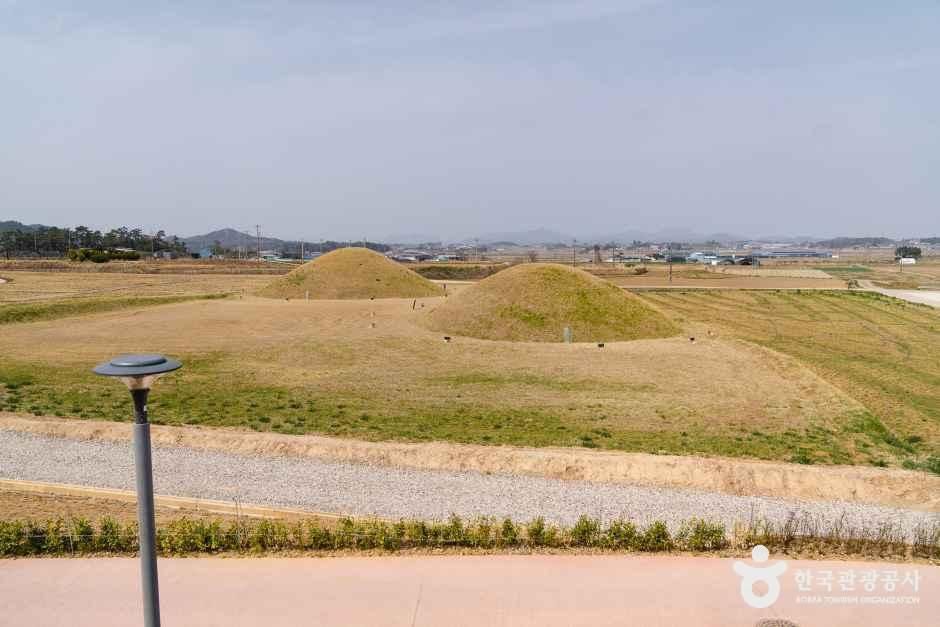
- Bannam Ancient Tombs Visit the Bannam Ancient Tombs, which showcase the essence of Mahan culture in the Yeongsan River basin alongside the National Naju Museum, and witness the grandeur of the massive ancient tombs for yourself.
Naju is a charming city where history, nature, and cuisine harmonize beautifully. Plan a special trip to explore Naju’s hidden treasures in conjunction with your museum visit.
National Naju Museum, How to Get There?
The National Naju Museum, located in Naju-si, Jeollanam-do, is easily accessible by both private car and public transportation. Please refer to the map below for detailed directions.
Transportation Guide for Visitors
- By Car It is about a 15-minute drive from Namnaju IC on the Gwangju-Muan Expressway. Ample parking space is available for your convenience.
- By Public Transportation It takes about 20-30 minutes by city bus or taxi from Naju Station. It is recommended to check Naju-si’s transportation information for detailed bus routes and schedules.
Frequently Asked Questions
Q1. What are the National Naju Museum’s opening hours and closing days?
The museum’s viewing hours are usually from 9 AM to 6 PM (may be extended on weekends/holidays), and closing days are every Monday, January 1st, Seollal (Lunar New Year’s Day) and Chuseok (Korean Thanksgiving Day). It is best to check the museum’s official website for accurate information before visiting.
Q2. How much is the admission fee?
Most exhibitions at the National Naju Museum, including permanent exhibitions, are operated free of charge. However, special planned exhibitions may be subject to a fee, so please check the exhibition information before visiting.
Q3. Are there any facilities or programs suitable for visiting with children?
Yes, we operate educational programs and experiential exhibition spaces to help children experience history easily and enjoyably. In addition to permanent exhibitions, workshops and educational activities for various age groups are periodically held. Please refer to the website for more details.
Q4. How do I use the smartphone NFC exhibition guide system?
When entering the museum, activate your smartphone’s NFC function, and lightly tap your phone against the NFC tag next to the exhibit to access detailed explanations and audio guides for that exhibit. It can be used easily without installing a separate app.
Q5. Are there places to eat around the museum?
There is a cafe inside the museum where you can enjoy simple beverages, and outside, unique restaurants in Naju, such as Yeongsanpo Hongeo Street, are located a short drive away. Convenience facilities near the museum are also available.