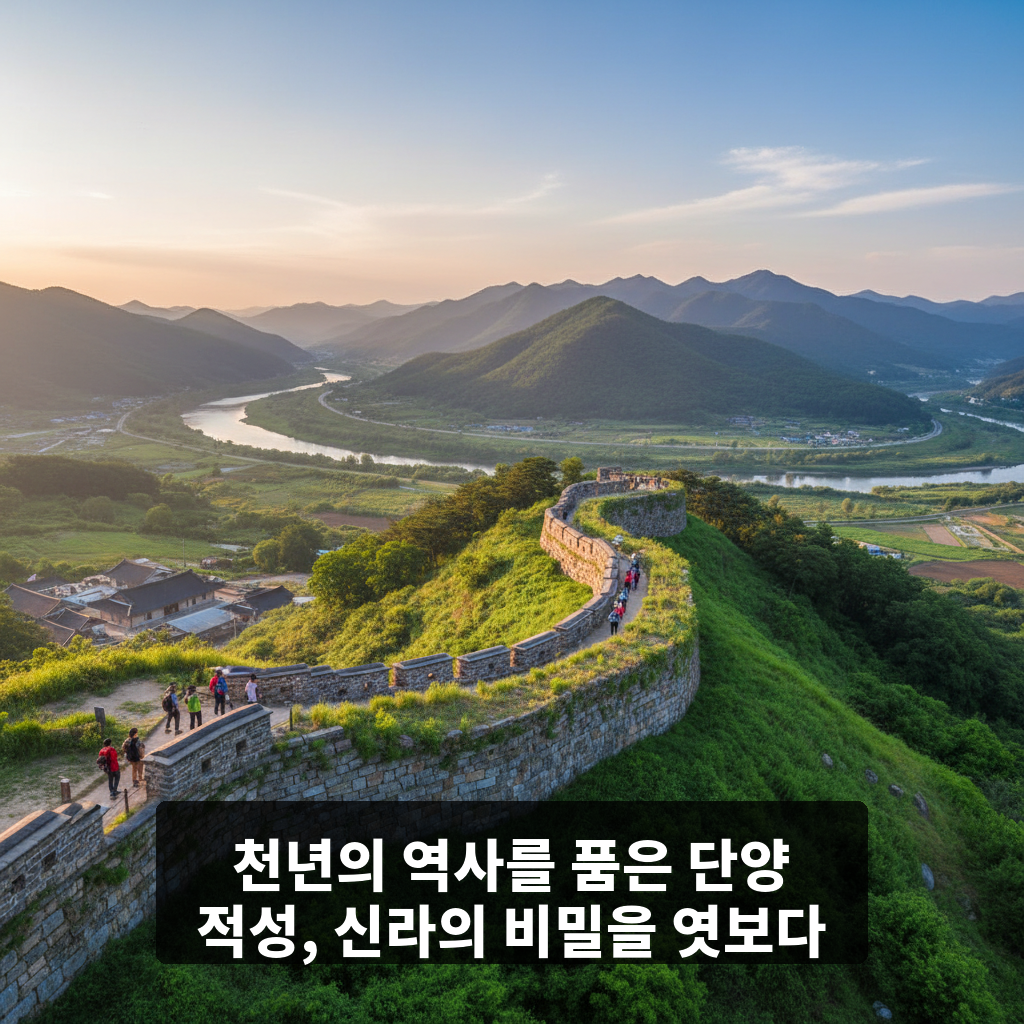
Glimpse Silla’s secret at Danyang Jeokseong, which holds a thousand years of history


In Danyang-gun, Chungcheongbuk-do, a place so quiet that time seems to stand still, there stands a sturdy fortress imbued with the spirit of Silla from a remarkable 1,500 years ago. Seemingly forgotten, yet the site where countless historical dramas unfolded: **Danyang Jeokseong**. What stories does this mountain fortress, which merely looks like a pile of stones, hold that it still resonates deeply with us? Shall we embark together to discover the true value of Danyang Jeokseong, which Silla considered such an important stronghold?
The Danyang Jeokseong that we encounter is not just a simple stone wall. It is a strategic fortress built by Silla, burning with ambition to advance into the Hangang River basin during the turbulent period when Baekje and Goguryeo vied for supremacy of the Three Kingdoms, and a historical site that became a crucial turning point, changing the fate of the Korean Peninsula. What extraordinary terrain and hidden stories are enshrined here?
Through this article, I intend to vividly convey the historical significance of Danyang Jeokseong, along with the value it offers us today. Beyond the desolate pile of stones, encounter a living historical site through evocative sentences.
Solidity Forged by Time: What Kind of Place Is Danyang Jeokseong?
Standing tall at the summit of Seongjaesan, **Danyang Jeokseong** is a mountain fortress built with stones. Although the original length of the fortress reached 923m, most of it has collapsed over long periods of weathering, and currently, only parts of the stone wall remain in the northeastern inner and outer sections, with an inner wall height of 2-3m and a width of 1m, allowing us to imagine its former grandeur. It is a ‘Temoe-style’ mountain fortress that encircles the Seongjaesan peak and its southern slope, and is a valuable relic that provides insight into the construction techniques of the Three Kingdoms period.
The Key that Unlocked a Millennium of Secrets: Discovery of the Jeokseongbi Monument
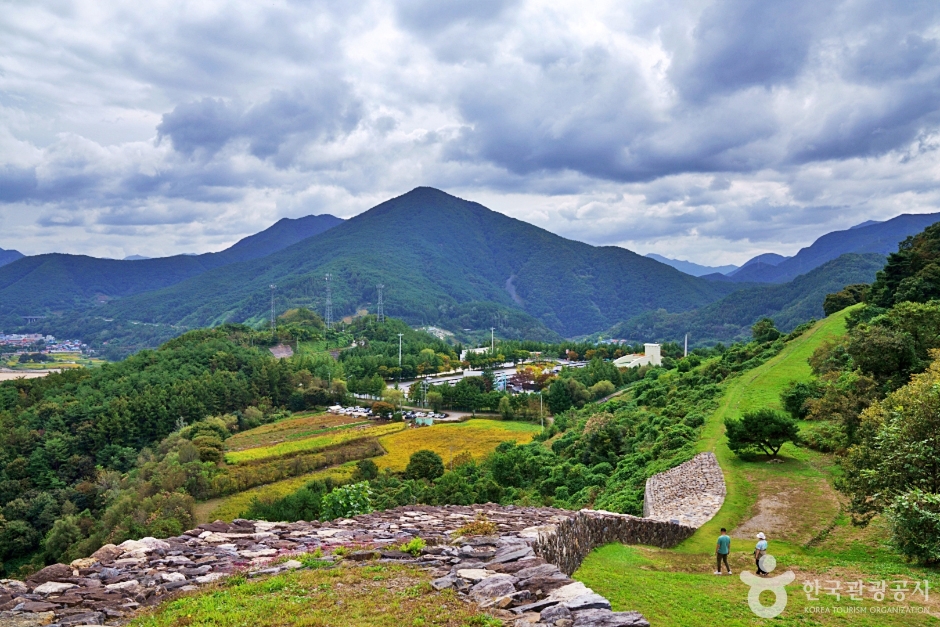
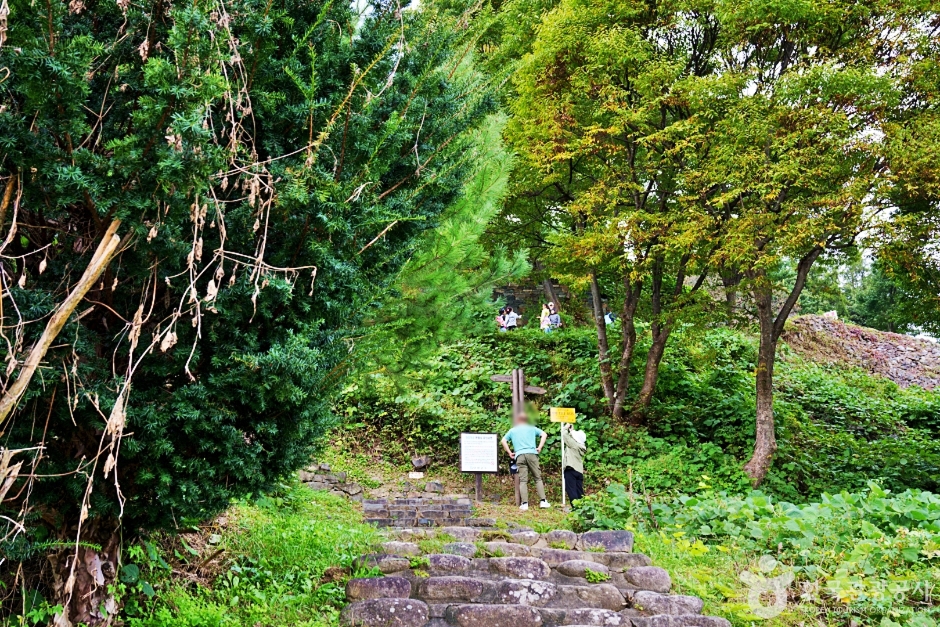
The decisive evidence that proved this fortress was not merely a mountain fortress was the discovery of the ‘Danyang Silla Jeokseongbi Monument’. This monument served as very important data for understanding the nature, purpose, and construction period of the fortress. Through the content of the inscription, it can be understood that Jeokseong was built by Silla no later than 551 AD to be used as an outpost for advancing towards the upper reaches of the Namhangang River. In other words, it can be said that this place encapsulates Silla’s northward expansion policy and its desperate efforts to secure the Hangang River basin.
Key Features of Danyang Jeokseong
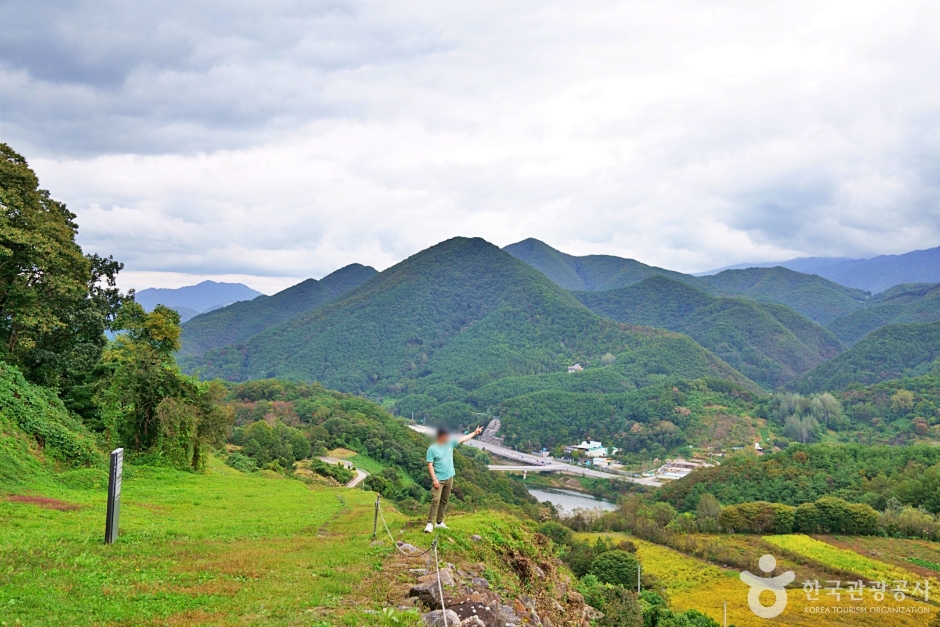
- Geographical Location Located at the summit of Seongjaesan, it is a natural fortress overlooking the surrounding area.
- Construction Method A Temoe-style mountain fortress encircling the peak, it maximized defensive capabilities by utilizing the natural terrain.
- Traces of Gates Gate sites were discovered in three locations, including the southwest, east, and southeast, suggesting active passage.
- Historical Value With the discovery of the Danyang Silla Jeokseongbi Monument, it played a decisive role in revealing Silla’s process of advancing into the Hangang River basin and its strategic importance.
A Thousand-Year Strategic Stronghold, Why Here?
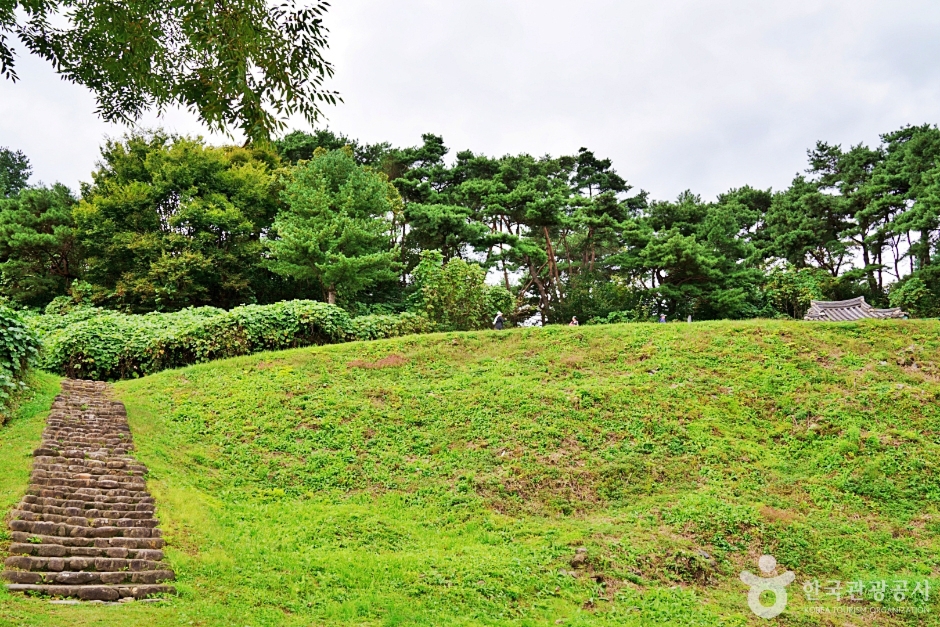
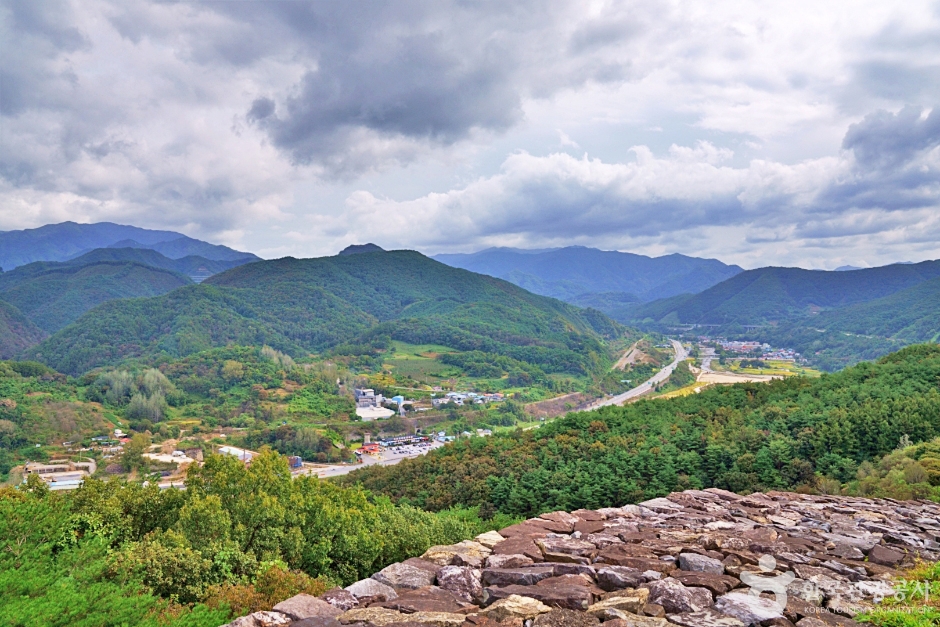
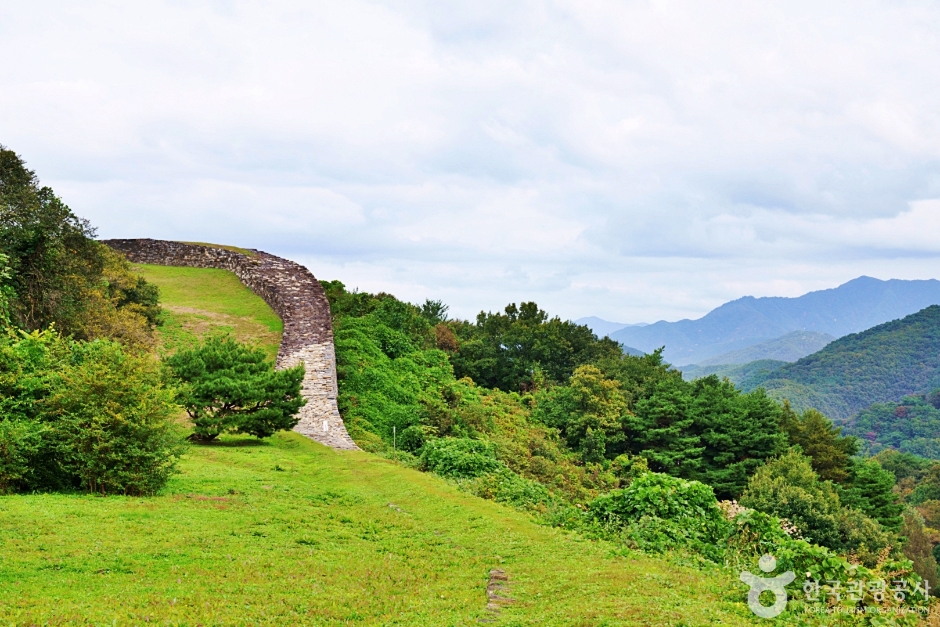
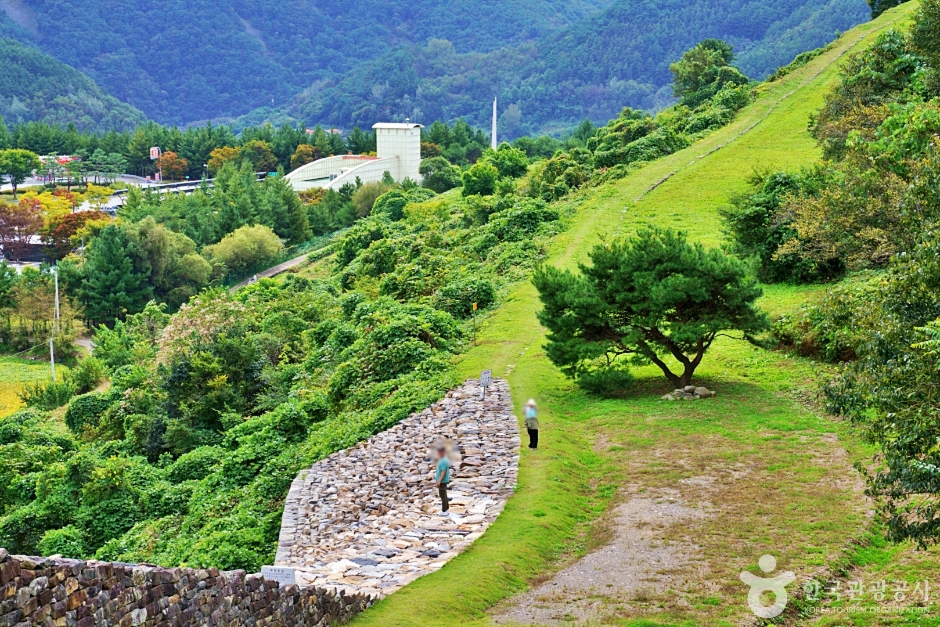
The location of Danyang Jeokseong has been a key strategic point for transportation since the ancient Three Kingdoms period. It was easy to advance towards Yeongwol and Chungju along the Namhangang River waterway, and it also had the geographical advantage of being favorable for advancing towards Jecheon across the river. It was not simply a matter of building a fortress on a high place, but a place where Silla’s meticulous calculations were hidden, aiming to secure military and economic dominance by utilizing surrounding transportation routes and the river.
The Historical Significance Held by the Namhangang River
The Namhangang River was a major transportation route for goods and military movements during the Three Kingdoms period. Dominating such a river was a symbol of national power. Danyang Jeokseong was situated in the optimal location to control and monitor the flow of the Namhangang River, playing an indispensable role as an advance base for Silla to occupy the Hangang River basin. With this as its base, Silla was able to confront Goguryeo to the north and Baekje to the west, thereby promoting territorial expansion.
Importance of Surrounding Transportation Routes
- Upper and Lower Namhangang River It was a center for material transport and troop movement using waterways.
- East-West Transportation Routes Its connectivity with surrounding areas via land routes was also excellent, which was advantageous for military and administrative control.
- Jecheon Direction Access to the Jecheon area across the river was easy, making it a strategic stronghold encompassing a wide area.
How to Fully Enjoy Jeokseong and Nearby Attractions
Visiting **Danyang Jeokseong**, a historical site, offers a special experience beyond simply touring a relic, where past and present coexist. When you reach the summit, along with the beautiful scenery of Danyang, you will be able to feel the emotion of looking at the Namhangang River as if through the eyes of a Silla person from 1,500 years ago.
Checklist for History Explorers
- Comfortable Shoes The path up to the fortress can be rough, so wear hiking boots or comfortable athletic shoes.
- Plenty of Water Especially in summer, be sure to bring a water bottle for hydration.
- Camera Be prepared to capture beautiful scenery and historical traces. You can take once-in-a-lifetime photos.
- Informational Materials If you familiarize yourself with the contents of the Jeokseongbi Monument or its historical background in advance, a more in-depth exploration is possible.
- Take Your Trash with You As it is a precious historical site, please demonstrate civic responsibility by preserving its cleanliness.
Location and Directions
Danyang Jeokseong is located at the summit of Seongjaesan in Habang-ri, Danseong-myeon, Danyang-gun, Chungcheongbuk-do. If you are using a personal car, you can easily find it by searching for ‘Danyang Jeokseong’ or ‘Danyang Silla Jeokseongbi Monument’ on your navigation system. When using public transportation, you may need to use local transportation from the Danyang Intercity Bus Terminal.
The Charms of Danyang to Enjoy with Jeokseong
| Category | Recommended Attraction | Features |
|---|---|---|
| History | Danyang Silla Jeokseongbi Monument | A national treasure-class monument discovered at Jeokseong, it contains historical facts about Silla. |
| Nature | Dodamsambong Peaks | Danyang’s representative scenic spot, where three peaks rising from the Namhangang River harmonize with a pavilion. |
| Nature | Sainam Rock | Boasts outstanding scenery where centuries-old pine trees and strangely shaped rocks come together. |
| Activity | Danyang Paragliding | You can have a thrilling experience looking down at Danyang’s hidden beauty from the sky. |
| Culture | Danyang Gukyung Market | A lively traditional market where you can find a variety of foods and local specialties. |
After visiting Danyang Jeokseong, explore the beautiful nearby Eight Scenic Views of Danyang or enjoy various activities together. You will be able to feel the unique charm of Danyang more deeply, where the weight of history and the beauty of nature are harmoniously intertwined. This is not merely a travel destination, but a living historical education site where the past and present communicate.
Frequently Asked Questions
Q1. In which era was Danyang Jeokseong built?
Danyang Jeokseong is a mountain fortress built by Silla no later than 551 AD. This means it was used as an important stronghold during the Three Kingdoms period when Silla was expanding its influence into the Hangang River basin.
Q2. What is the most important relic discovered at Danyang Jeokseong?
The most important relic is the ‘Danyang Silla Jeokseongbi Monument’. This monument details the construction period and purpose of Jeokseong, as well as Silla’s process of advancing into the Hangang River basin, providing crucial clues for understanding the history of the Three Kingdoms period.
Q3. How was Danyang Jeokseong constructed?
Danyang Jeokseong was constructed as a ‘Temoe-style mountain fortress’ that encircles the Seongjaesan peak and its southern slope. This is one of the typical mountain fortress construction methods of the Three Kingdoms period, maximizing defensive capabilities by utilizing the natural terrain.
Q4. Why does Danyang Jeokseong hold significant historical value?
Danyang Jeokseong served as an outpost for Silla to advance into the Hangang River basin while keeping Goguryeo and Baekje in check, and was a strategic stronghold that played a pivotal role in changing the power dynamics of the Three Kingdoms. The Danyang Silla Jeokseongbi Monument explicitly revealed these historical facts, thus increasing its value even further.
Q5. Are there any nearby places worth visiting when I visit Danyang Jeokseong?
Yes, after visiting Danyang Jeokseong, we recommend exploring Danyang’s representative attractions such as Dodamsambong Peaks, Sainam Rock, and Danyang Gukyung Market. Additionally, you can enjoy Danyang’s beautiful nature through leisure activities like Danyang Paragliding.