
Gimje Jangcheolseong Old House, where the breath of 100 years lives on, the beginning of a time journey


Have you ever thought about pausing in your busy daily life and disappearing into a tranquil old landscape? Instead of the cold urban jungle of buildings, there are times when you want to sit on the porch of an old house under warm sunlight and listen to stories of times past. Today, I invite you to Jangcheolseonggotaek in Gimje, which perfectly preserves the atmosphere of a modern Joseon rural village in the late 1920s.
This old house, located in Seodori, Geumgu-myeon, Gimje-si, Jeollabuk-do, in the middle of a Jang family clan village, is not just a simple old house. Kongjwi Patjwi It is a witness to history, having quietly stood for nearly 100 years next to Namgangjeongsa, imbued with the heartwarming stories of a legendary village and the noble spirit of Jang Taesu, a loyal subject from the late Joseon Dynasty.
Stories Woven by a Century of Time, the Footprints of Jangcheolseonggotaek
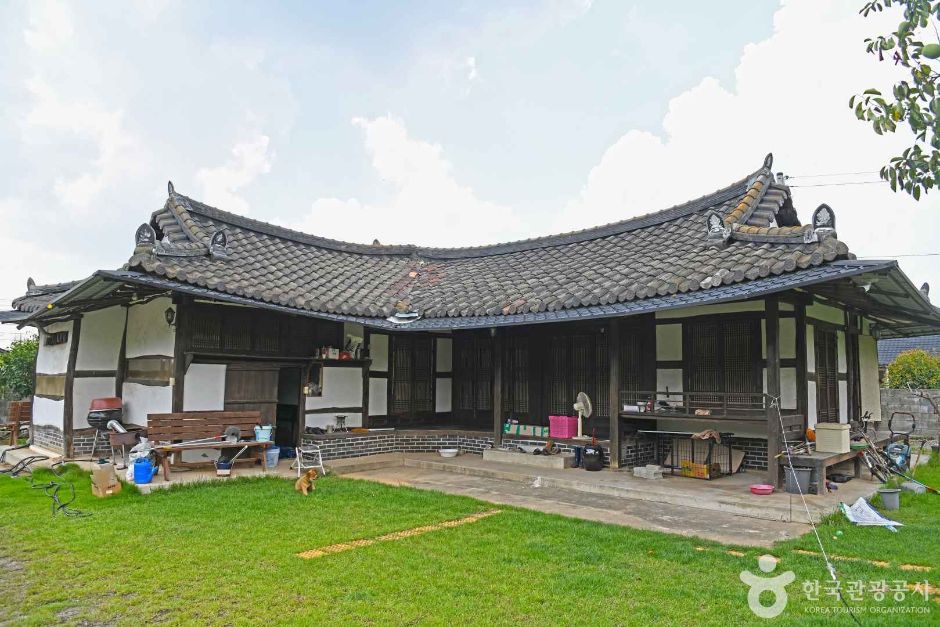
Jangcheolseonggotaek, rooted in the tranquil Jang family clan village of Seodori, Geumgu-myeon, Gimje-si, emerged in the late 1920s. This Hanok, built faithfully following the architectural style of a modern Joseon rural village, possesses a simple yet sturdy beauty, though not opulent. Here, where time seems to stand still, we can fully feel the breath of past eras.
Seodang, a Space Where the Warmth of Learning Lingered
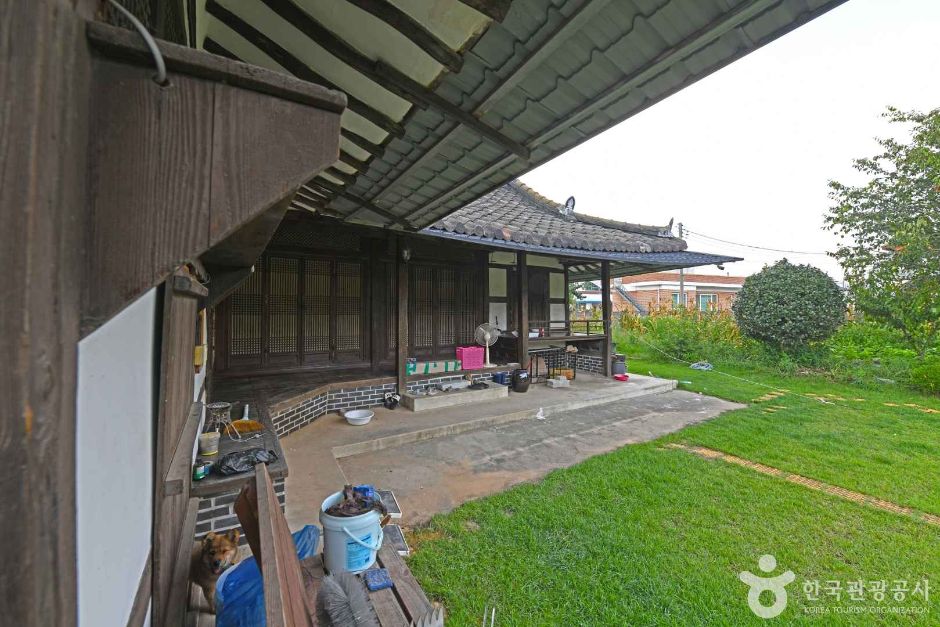
Surprisingly, this place was used as a Seodang, educating younger scholars from the 1930s to the 1940s. Imagining the past when the clear voices of young students reading echoed throughout the main hall, one can understand that the old house was more than just a dwelling; it was the center of a community that shared knowledge and wisdom. The fervor of learning that blossomed in this small village seems to subtly remain in every corner of the old house even now.
Modern Joseon Life as Read Through Architecture, the Aesthetics of Detail
Despite nearly 100 years having passed, Jangcheolseonggotaek remarkably preserves its appearance from that era. Rooms, the main hall, the kitchen, as well as the agungi that provided warm heat, and the cozy attic room are all preserved in their original form. Strolling through this place, one can vividly glimpse the way of life of our ancestors, as if having traveled back in time.
- Traditional Agungi It is a symbol of warm heating that used to melt the bodies and hearts of the whole family on cold winter days.
- Cool Main Hall It is a space for communication and relaxation where people cooled off from the summer heat and chatted with neighbors.
- Charming Attic Room It is a cozy space that served as a secret hideout for children and where adults’ memories accumulated.
Beauty Within Simplicity, Detailed Elements of the Old House
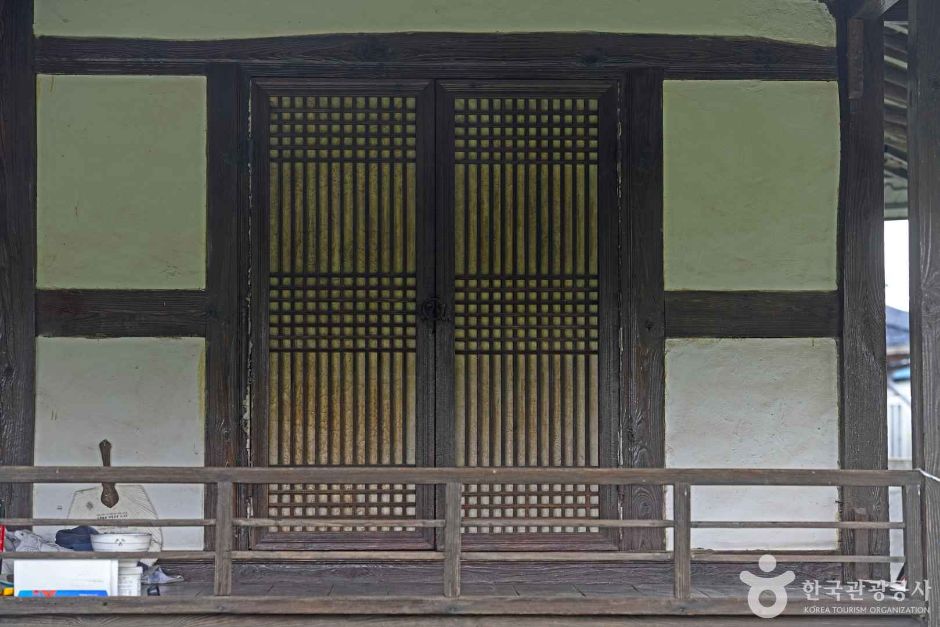
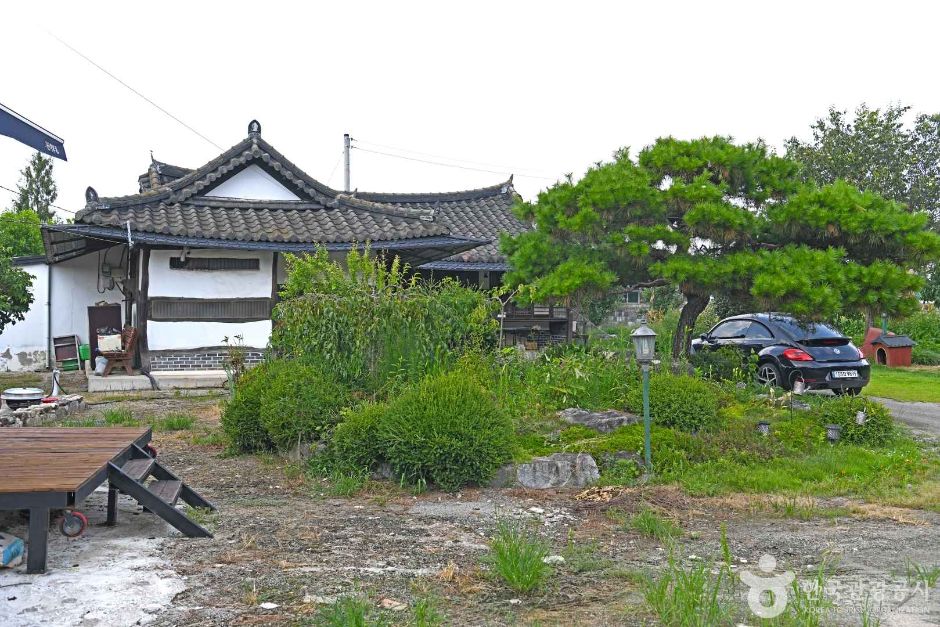
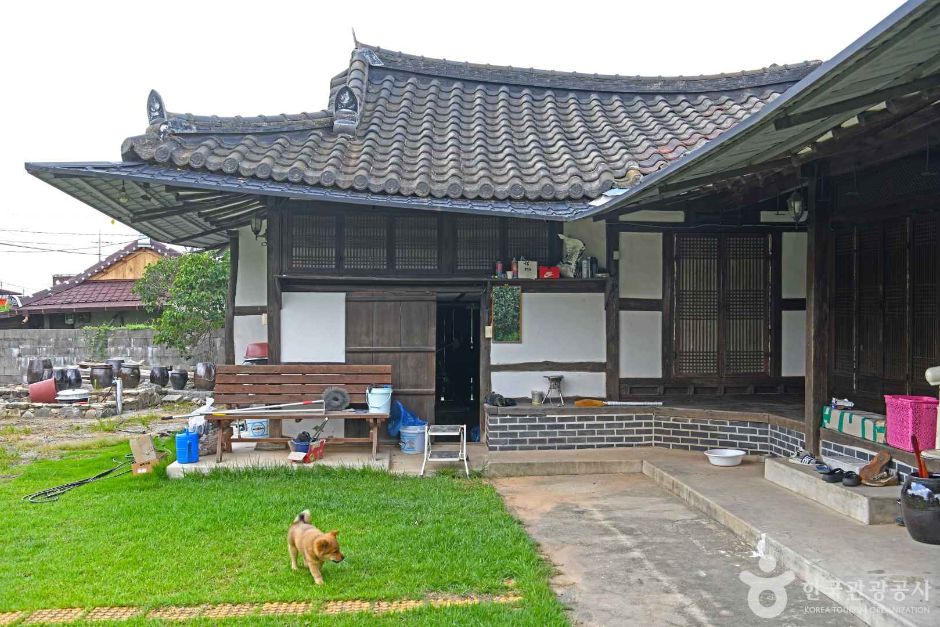
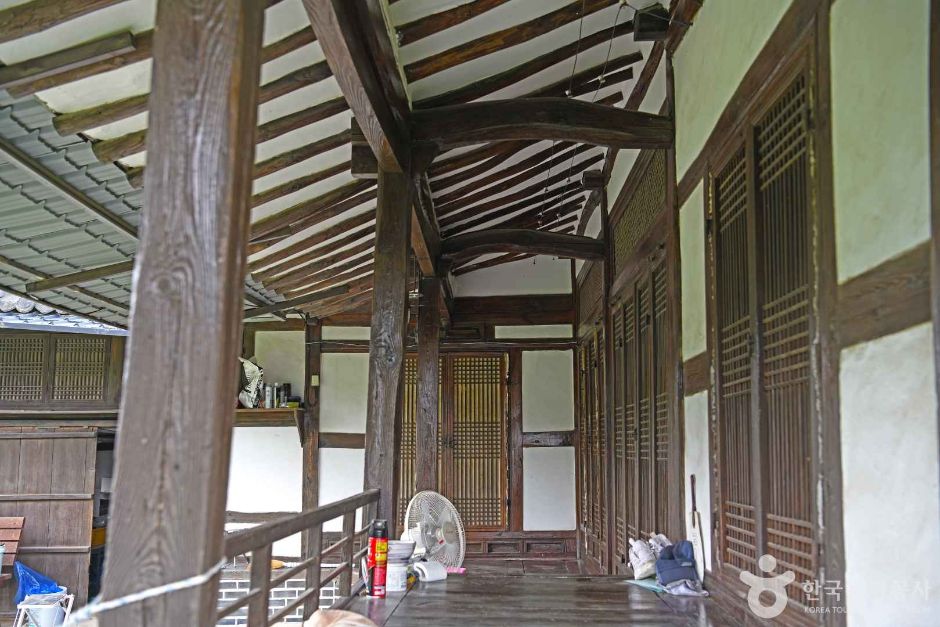
Even in a single grain of a wooden pillar or a single pattern of a window lattice, one can glimpse the delicate craftsmanship and practical wisdom of ancient architecture. The layered traces of time, in fact, add to the depth of the old house, offering a profound resonance to visitors. How about taking some time to pause here and reflect on yourself amidst the serene beauty?
Kongjwi Patjwi Story Village, and the Footprints of a Loyal Subject
The village of Seodori, where Jangcheolseonggotaek is located, does not simply encompass an old house. It is also the backdrop for the familiar ‘Kongjwi Patjwi’ folktale, and Namgangjeongsa, where Jang Taesu (1841~1910), a loyal subject who raised a righteous army to protect the nation during the late Joseon Dynasty, died a martyr’s death, is located right here. After exploring the old house, seeking out these stories that permeate every corner of the village will also be a special experience.
Around the Old House, Into a Landscape Where Stories Flow
| Place | Features | Visit Tips |
|---|---|---|
| Jangcheolseonggotaek | Modern rural-style Hanok built in the late 1920s. History of being used as a Seodang. | Carefully observe the preservation status and architectural beauty of the old house, and feel the old-world charm. |
| Namgangjeongsa | Historical place where Jang Taesu, a loyal subject from the late Joseon Dynasty, died a martyr’s death. | Take a moment of silent tribute to honor the noble spirit of Jang Taesu. |
| Kongjwi Patjwi Village | The village that became the setting for our traditional folktale, Kongjwi Patjwi. | The fun of discovering stories and traces of the folktale remaining throughout the village. |
Time Solely for Myself, Tips for Visiting Jangcheolseonggotaek
Jangcheolseonggotaek, located in Seodori, Geumgu-myeon, Gimje-si, can be easily found by searching with a navigation system. To fully experience the quiet and cozy atmosphere, it is advisable to check a few things before your visit. Create special memories in this place imbued with the traces of time.
- Location Confirmation It is located in Seodori, Geumgu-myeon, Gimje-si, and you can get accurate directions by searching for ‘Jangcheolseonggotaek’ on your navigation system.
- Operation and Viewing As it may be privately owned or a cultural heritage site requiring special management, it is advisable to inquire in advance about internal public access or visiting hours. External viewing is generally free.
- Nearby Exploration Take your time to explore historical sites around the old house, such as Namgangjeongsa and Kongjwi Patjwi Village, and spaces from the folktale, to enjoy a richer Gimje trip.
- Photography There are many wonderful backdrops to capture the tranquil and beautiful appearance of the Hanok. Record your precious moments without disturbing the atmosphere of the old house.
Frequently Asked Questions
Q1. What kind of Hanok is Jangcheolseonggotaek, and what are its features?
It is a typical rural-style Hanok from modern Joseon, built in the late 1920s, with rooms, the main hall, kitchen, agungi, and attic all in excellent condition. Particularly, the traditional agungi, attic room, and cool main hall are well-preserved, allowing visitors to deeply experience the old-world charm.
Q2. Does Jangcheolseonggotaek have a historical background or any special stories?
The village of Seodori, Geumgu-myeon, Gimje-si, where the old house is located, is known as the home of the Kongjwi Patjwi folktale. Additionally, Namgangjeongsa, where Jang Taesu, a loyal subject from the late Joseon Dynasty, died a martyr’s death, is nearby, and Jangcheolseonggotaek itself was used as a Seodang for educating younger scholars from the 1930s to the 1940s.
Q3. Are there other attractions worth visiting around the old house?
Yes, right next to the old house is Namgangjeongsa, imbued with the noble spirit of Jang Taesu, a loyal subject from the late Joseon Dynasty. Furthermore, as the entire village is the home of the Kongjwi Patjwi folktale, exploring various sites related to the folktale will also be a unique experience.
Q4. Are there any precautions or tips to keep in mind when visiting Jangcheolseonggotaek?
Since the old house may be a private residence or a cultural heritage site requiring management, it is advisable to check in advance whether internal viewing is possible and its operating hours. It is important to observe respectfully so as not to disturb the quiet and tranquil atmosphere.
Q5. How can I get to Jangcheolseonggotaek in Gimje?
It is located in Seodori, Geumgu-myeon, Gimje-si, and you can easily find it by searching for ‘Jangcheolseonggotaek’ on your navigation system. If using public transportation, you may need to take a bus towards Seodori from Gimje city center, so it is advisable to check transportation options in advance.