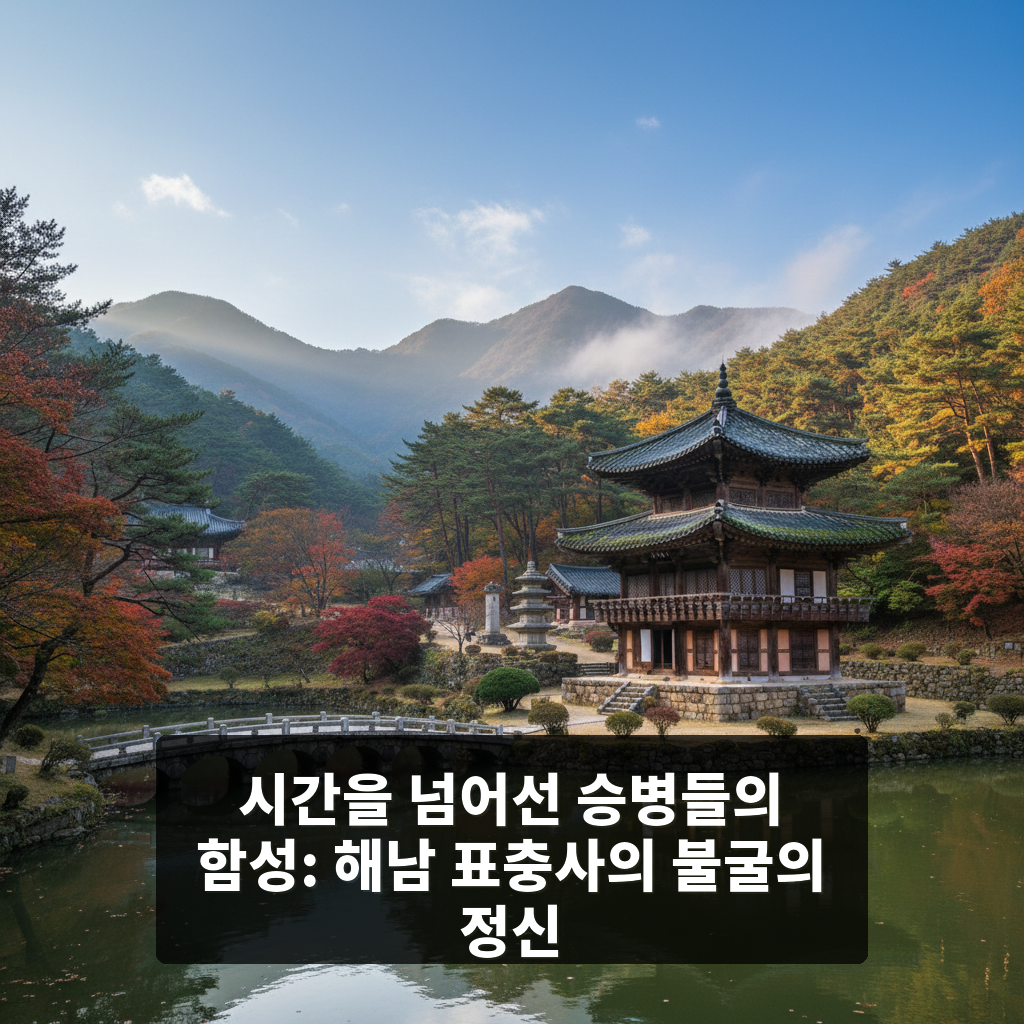
Shouts of Warrior Monks Transcending Time: The Indomitable Spirit of Haenam Pyochochungsa


Turning a page of history, the stories of nameless heroes who perished call out to us. Who were these people who willingly sacrificed their lives for the peace of this land? Within the tranquil precinct of Daeheungsa Temple in Haenam, there is a special place that holds the answer to that question, namely Pyojeongsa (Haenam).
This place commemorates the noble spirit of the monk-soldiers who saved the country during the Imjin War, and it is living history itself, beyond just an ancient ruin. For those who wish to pause from their busy daily lives and encounter the heroes of the past, Pyojeongsa (Haenam) will undoubtedly offer an unforgettable experience.
From now on, we invite you into the deep history of Haenam. In that sacred space imbued with the bravery of the monk-soldiers and the wisdom of Seosan Daesa, what kind of emotion can we feel?
Amidst the Flames of the Imjin War, Where the Souls of Monk-Soldiers Reside
In the 25th year of King Seonjo’s reign (1592), when the devastation of the Imjin War swept across this land, there was a person who, despite his old age, led the way in defending the country by distributing an appeal to monks nationwide. He was Seosan Daesa Hyujeong. Under his command, about 1,500 monk-soldiers from Myohyangsan, his disciple Yujeong (Samyeong Daesa) with about 700 from Geumgangsan, and Cheoyeong (Noemukdang) with about 1,200 from Jirisan, achieved remarkable feats in subduing the Japanese invaders. The place established to commemorate the spirit of these great monk-soldiers is none other than Pyojeongsa (Haenam).
The Three Monks Who Saved the Nation, and Their Spirit enshrined before the Altar
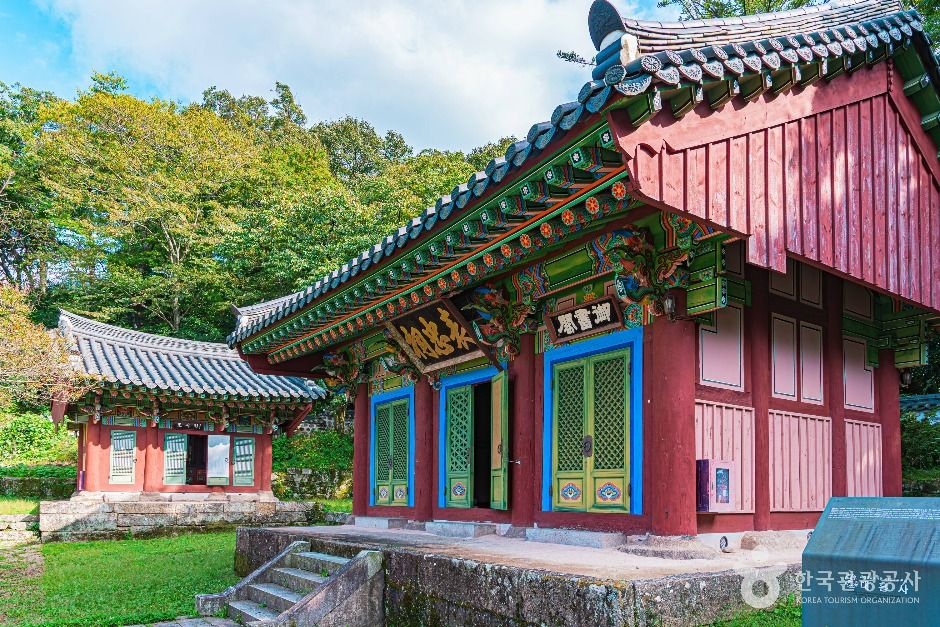
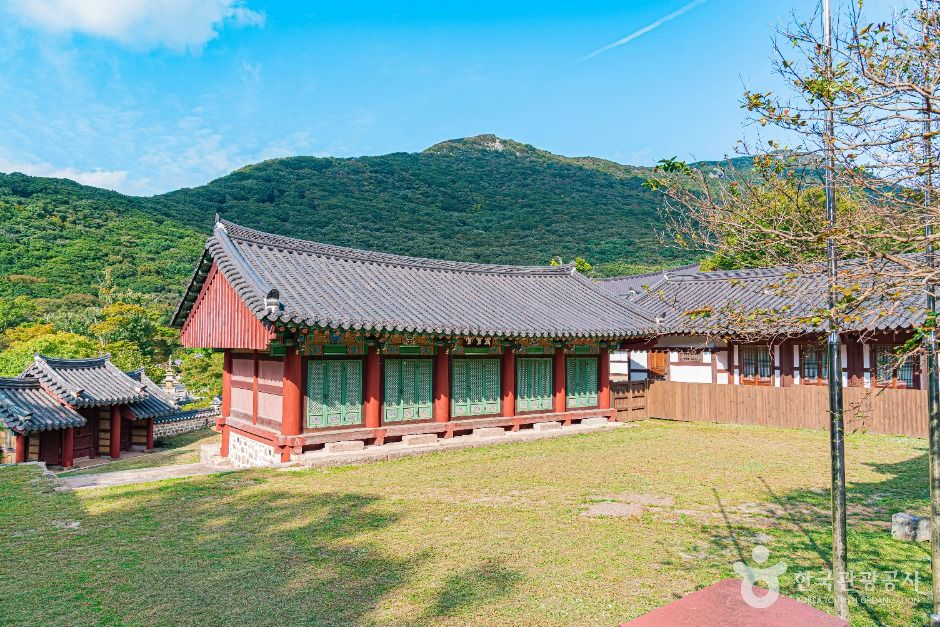
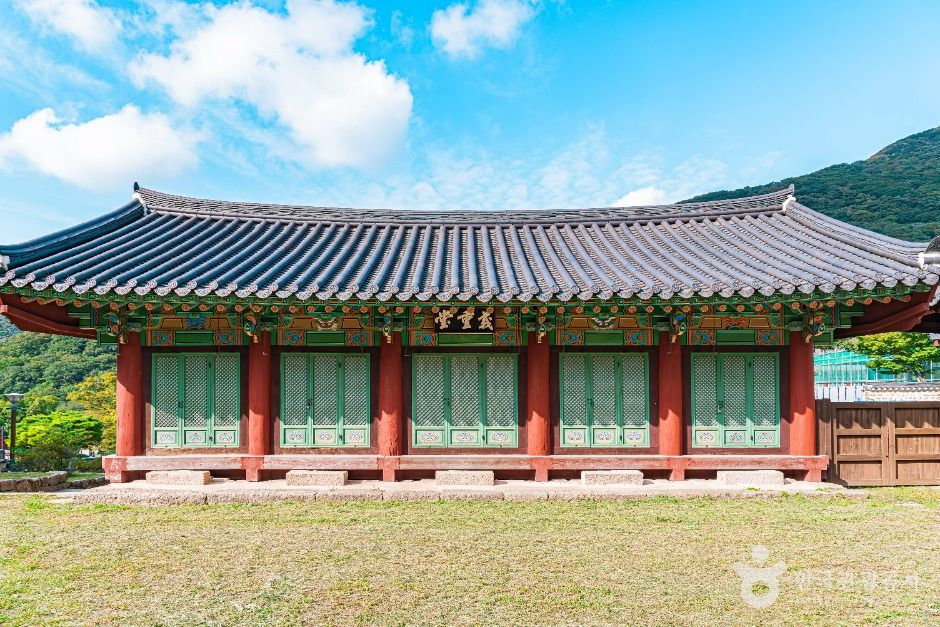
Pyojeongsa (Haenam) is a shrine that collectively enshrines the portraits of Seosan Daesa Hyujeong and his two disciples, Samyeong Daesa Yujeong and Noemukdang Cheoyeong. These three monks went beyond merely cultivating Buddhist teachings, they were true heroes who transcended religious boundaries for the peace and security of the nation in times of crisis. After the war, Seosan Daesa received the highest honor for a monk and the rank of Jeong 2-pum Dangsanggwan, and passed away at Myohyangsan.
- Seosan Daesa Hyujeong A hero who organized and commanded monk-soldiers during the Imjin War, achieving great merits.
- Samyeong Daesa Yujeong A disciple of Seosan Daesa who recruited monk-soldiers in Geumgangsan, participated in battles, and also served actively as an envoy for peace talks.
- Noemukdang Cheoyeong Another righteous monk-general who raised monk-soldiers in Jirisan and fought against the Japanese invaders.
A Hidden Story within the Tranquil Daeheungsa Temple Precinct, The Architecture and History of Change of Pyojeongsa (Haenam)
Located adjacent to Daeheungsa, this place was first built in the 12th year of King Jeongjo’s reign (1788) of Joseon. More than just a temple building, it holds the dignity of a space commemorating the will of great figures. Through its architectural style of the time and subsequent changes, one can glimpse the flow of history.
The Footprints of a Building Tracing Back Through Time
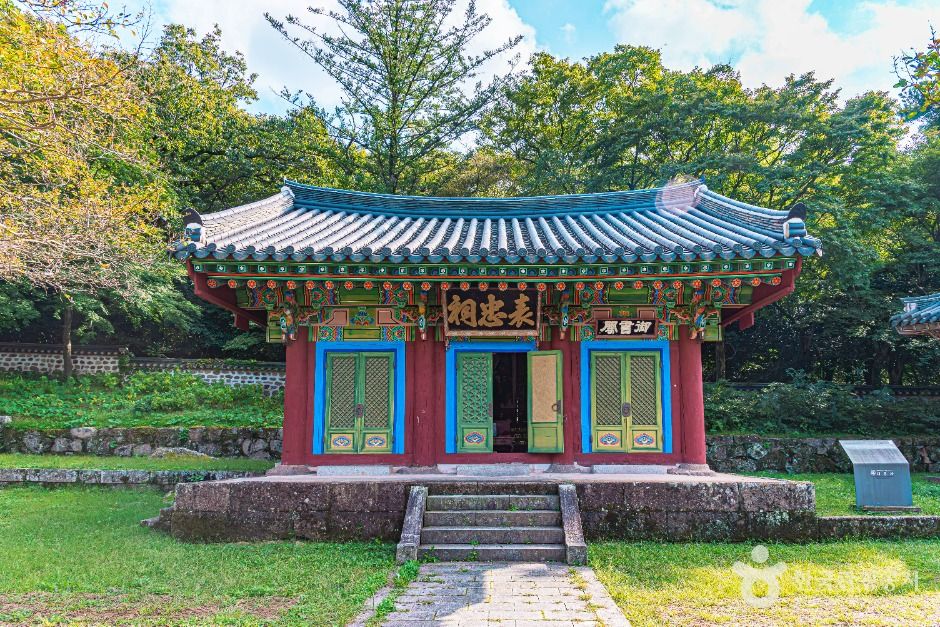
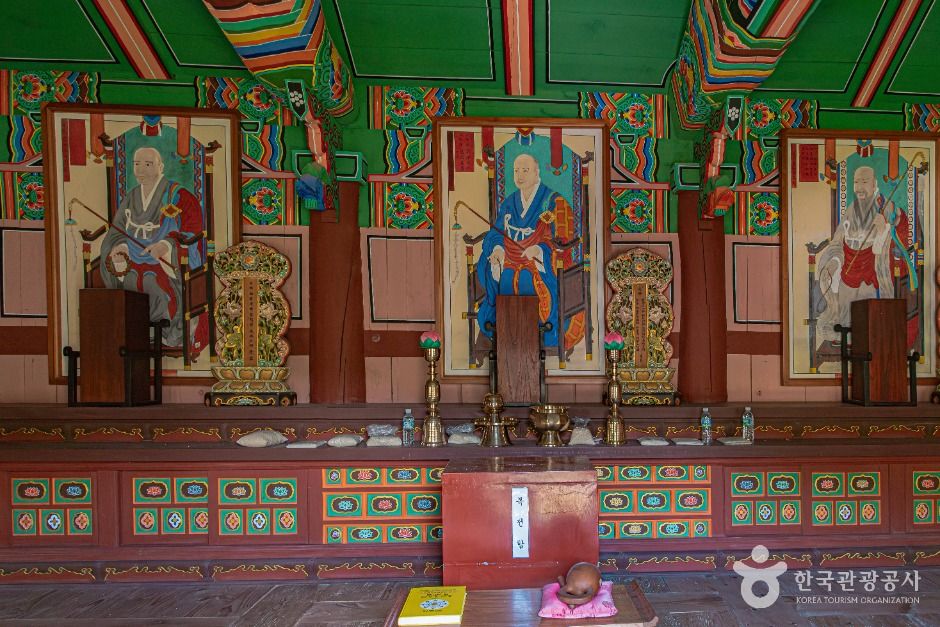
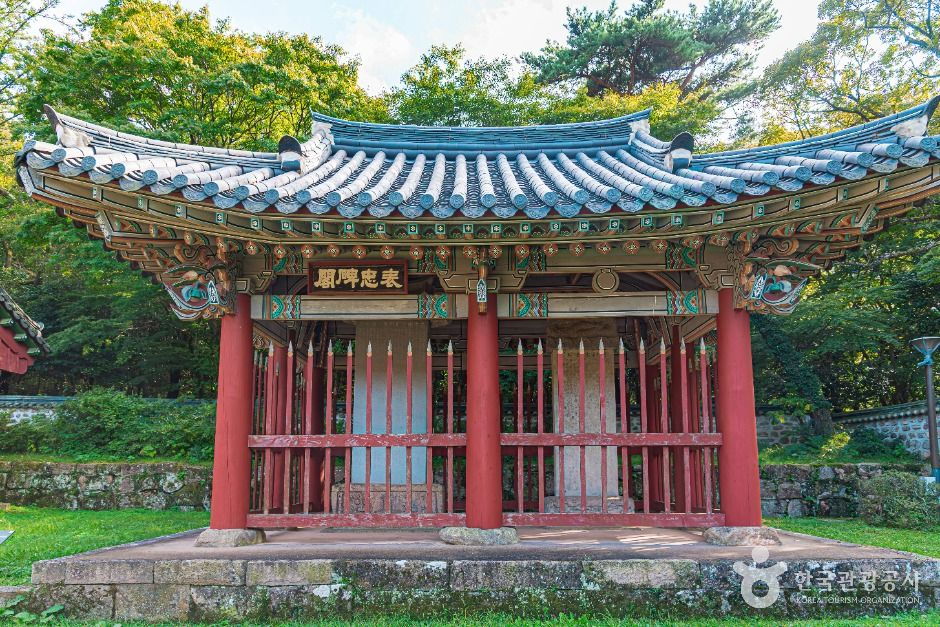
The current Pyojeongsa (Haenam) has a three-bay front, and is adorned with a gable roof shaped like the Chinese character ‘人’ (in, meaning person) when viewed from the side. It is a structure that showcases a humble yet elegant architectural beauty. However, this building was not in its current location from the beginning. Initially, it was located facing the Daeungjeon (main Buddha hall), but in the 2nd year of King Heonjong’s reign (1836), it was temporarily moved to the main mountain in the southeast, and finally returned to its current location in the 11th year of King Cheoljong’s reign (1860). The history of steadfastly maintaining its place despite several relocations adds to the building’s ancient dignity.
| Period | Key Details |
|---|---|
| 12th year of King Jeongjo’s reign (1788) | First established (located in front of Daeungjeon) |
| 2nd year of King Heonjong’s reign (1836) | Relocated to the main mountain in the southeast |
| 11th year of King Cheoljong’s reign (1860) | Returned to its current location |
Haenam Pyojeongsa (Haenam), Guide for a Reverent Visit
How to Get There? A Journey with Daeheungsa
Pyojeongsa (Haenam) is located within the precinct of Daeheungsa Temple in Haenam, so you can naturally visit it when you go to Daeheungsa. Daeheungsa itself has deep historical value, enough to be listed as a UNESCO World Heritage site, so we recommend exploring it together.
Small Tips for Visitors
- Public Transportation It is convenient to take a bus to Daeheungsa from Haenam Terminal. Please check the bus schedule in advance.
- Private Car You can use the Daeheungsa parking lot. Parking is subject to a fee.
- Visiting Hours As it is within the Daeheungsa precinct, you can visit during Daeheungsa’s operating hours. It is usually open from sunrise to sunset.
- Admission Fee It is included in the Daeheungsa admission fee, so there is no separate charge. (Free)
- Reverent Demeanor As the shrine is a sacred space enshrining the portraits of the monks, it is important to observe it with a quiet and reverent demeanor.
Nearby Attractions Not to Miss
- Duryunsan Daeheungsa A thousand-year-old temple listed as a UNESCO World Heritage site, it is a representative historical and cultural space of Haenam along with Pyojeongsa.
- Duryunsan Provincial Park A beautiful mountain surrounding Daeheungsa, boasting magnificent scenery throughout all four seasons. It is great for walks or hikes.
- Haenam Mihwangsa Another thousand-year-old temple located on ‘Dalmabong’, it offers a tranquil atmosphere and excellent views overlooking the Southern Sea.
- Ttangkkut Maeul A place symbolizing the beginning and end of the Korean Peninsula, where you can enjoy beautiful sunrises and sunsets.
Frequently Asked Questions
Q1. What kind of place is Haenam Pyojeongsa (Haenam)?
It is a shrine that enshrines the portraits of Seosan Daesa, his disciples Samyeong Daesa and Noemukdang Cheoyeong, who saved the country during the Imjin War. It was built to commemorate the noble spirit of these three monk-generals.
Q2. Is Pyojeongsa (Haenam) located inside Daeheungsa?
Yes, Pyojeongsa (Haenam) is located within the precinct of Duryunsan Daeheungsa Temple in Haenam. You can naturally explore it when visiting Daeheungsa.
Q3. When was Pyojeongsa (Haenam) built?
It was first established in the 12th year of King Jeongjo’s reign (1788) of Joseon. After two subsequent relocations, it finally returned to its current location in the 11th year of King Cheoljong’s reign (1860).
Q4. Are there any precautions when visiting Pyojeongsa (Haenam)?
As it is a sacred space enshrining the portraits of the monk-soldiers, it is important to observe it with a quiet and reverent demeanor. Please also be mindful not to disturb other visitors when taking photographs.
Q5. Are there other places to visit in Haenam besides Pyojeongsa (Haenam)?
Daeheungsa itself is an important attraction as a UNESCO World Heritage site, and there are many diverse attractions in Haenam where you can enjoy both history and nature, such as the surrounding Duryunsan Provincial Park, Ttangkkut Maeul, and Mihwangsa.