
Standing at the Jeju Sea Divers Anti-Japanese Movement Memorial Tower, listening to the women’s colossal shouts.


Did you know that in 1932, the haenyeo who lived with Jeju’s rough seas rose up? When the Taegukgi was held in their hands as they dove in the cold sea, and a great roar shook all of Jeju, their courage resonates deeply with us across time. The place that commemorates that noble spirit of resistance is the **Jeju Haenyeo Anti-Japanese Movement Memorial Tower**.
Not many anti-Japanese movements recorded in the pages of history bear women’s names. However, in Jeju, there was a massive movement where only haenyeo fiercely resisted Japanese colonial rule to protect their persistent livelihoods. Shall we trace their footsteps to that site where their cries represented the pride of the nation, beyond mere survival?
Today, we will visit the **Jeju Haenyeo Anti-Japanese Movement Memorial Tower** to reflect on the meaning of their courage and sacrifice, explore the message they convey to us today, and delve deeply into history.
Jeju’s Sea, and the Fiery History of Resistance Hidden Within It
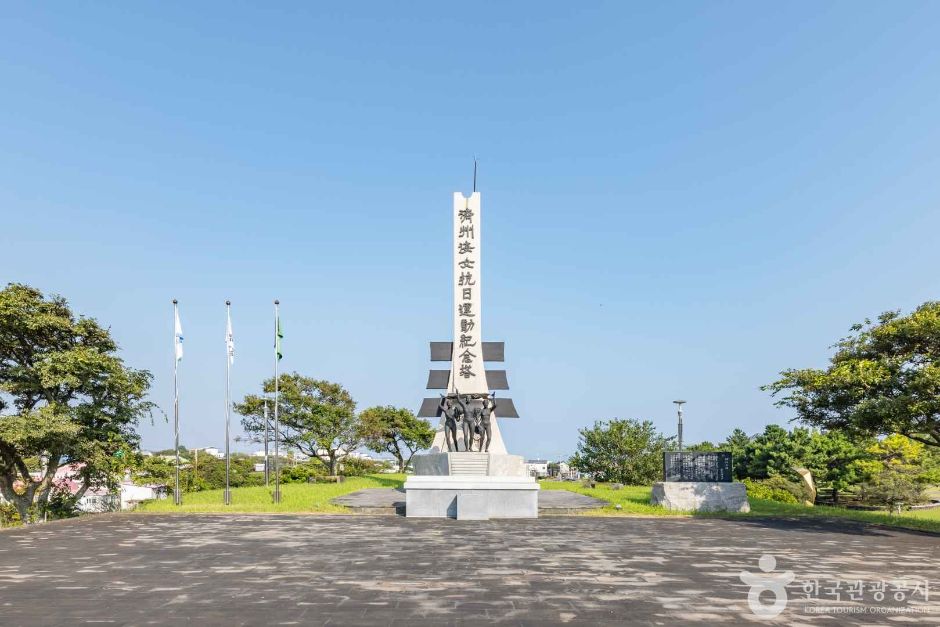
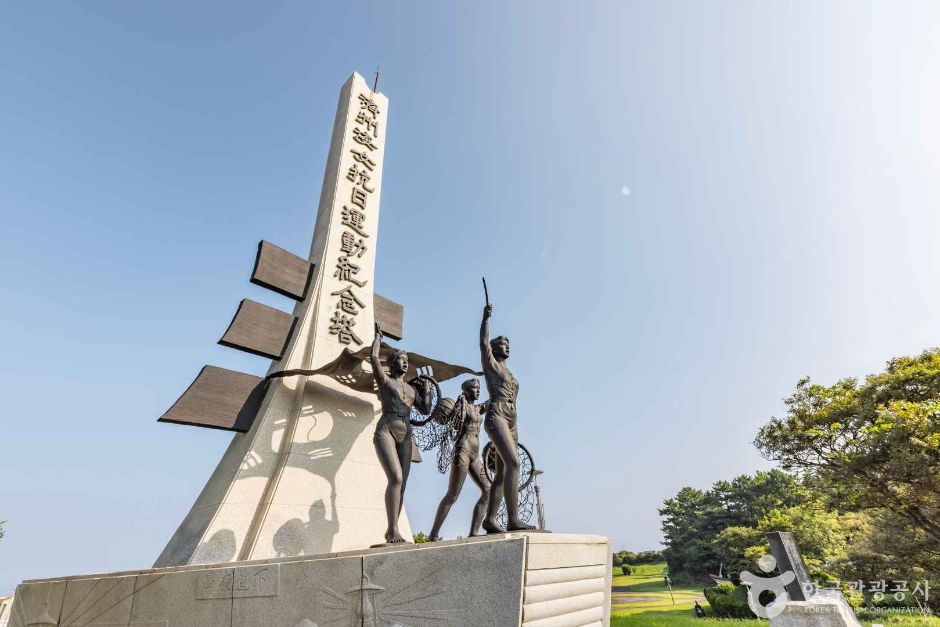
The **Jeju Haenyeo Anti-Japanese Movement Memorial Tower** is a space that vividly commemorates the traces of the Jeju Haenyeo Anti-Japanese Movement that occurred in January 1932, across Gujwa-eup, Seongsan-eup, and Udo-myeon in Jeju City, and their spirit of resistance. This movement holds immense historical significance as it was the largest anti-Japanese movement in Korea, opposing Japan’s colonial exploitation policies and national discrimination.
What Happened on That Seashore Back Then?
During the Japanese colonial period, despite being a crucial pillar of Jeju’s economy, haenyeo suffered severe exploitation by Japanese fishing capital and colonial policies. Inhumane working conditions, unreasonable exploitation, and national discrimination pushed the haenyeo’s lives to the brink, ultimately exploding into a massive Anger.
- Exploitation and Plunder Most of the haenyeo’s hard-earned income was exploited through unfair purchase prices by Japanese merchants and fishing cooperatives, high interest rates, and so on.
- National Discrimination Various fishing policies and social discrimination were rampant, applied favorably to Japanese people and unfavorably to Jeju haenyeo.
- Right to Self-Reliant Livelihood Beyond mere survival, the haenyeo sought to protect their traditional fishing methods and engage in autonomous economic activities.
- Women’s Leadership It is regarded as a unique and important case, rarely seen in world history, in that women led the anti-Japanese movement in a male-dominated society.
A Space Commemorating a Noble Spirit, Jeju Haenyeo Anti-Japanese Movement Memorial Tower
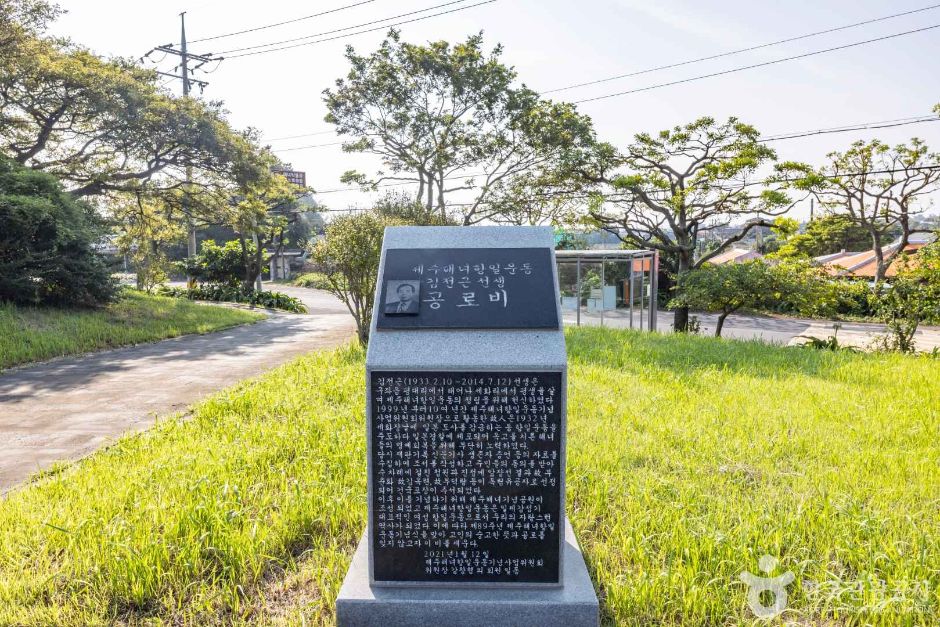
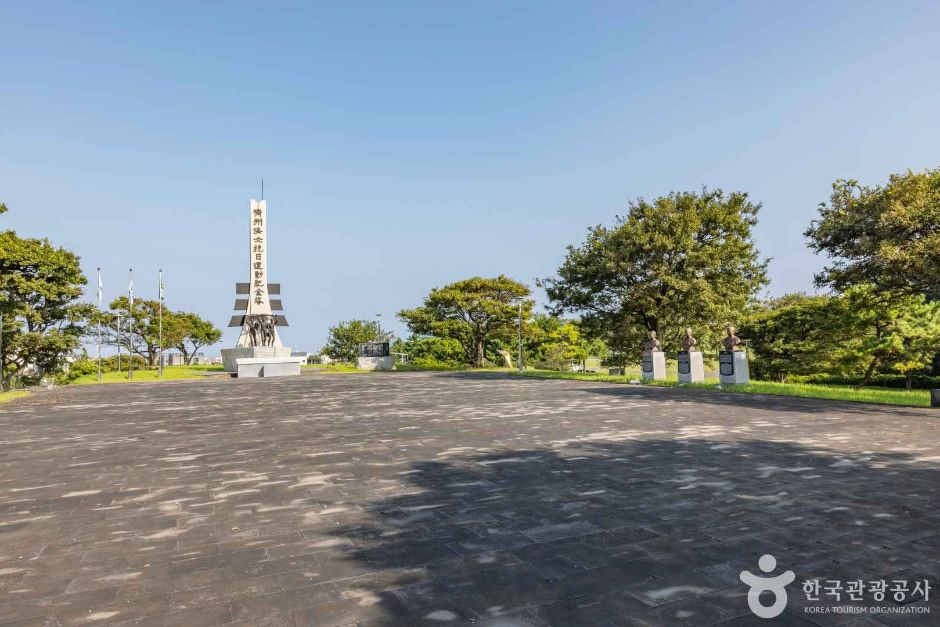
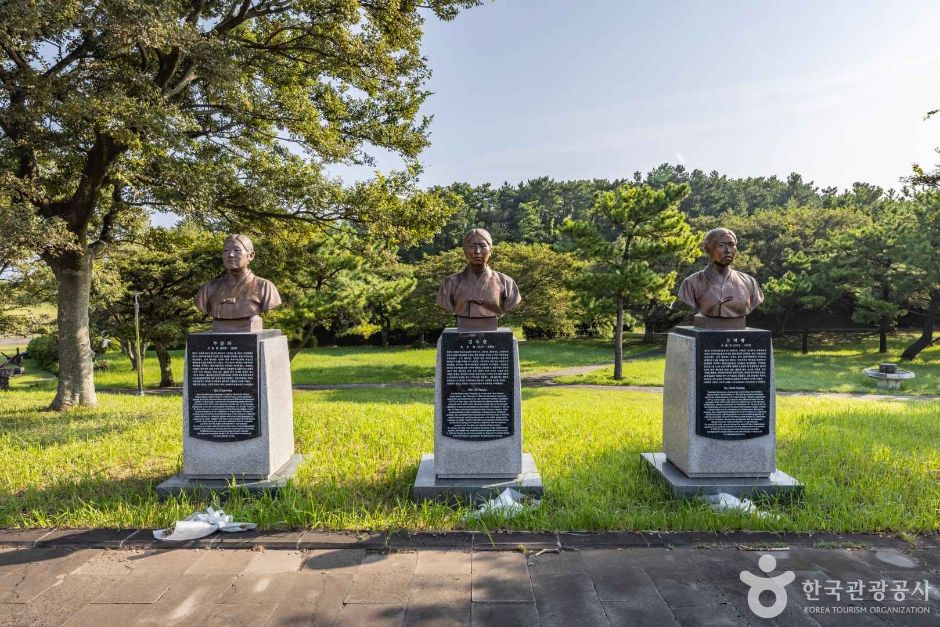
This **Jeju Haenyeo Anti-Japanese Movement Memorial Tower** was established on a historic site that served as the second rallying point for the haenyeo who participated in the anti-Japanese movement at the time. The memorial tower symbolizes the haenyeo’s strong will and spirit of independence, visually conveying the shouts of that day to visitors. Related facilities such as the Haenyeo Museum are also located around the memorial tower, helping visitors gain a deeper understanding of the haenyeo’s history and culture.
It is also actively used as an educational venue to instill a proper sense of history, patriotism, and love for one’s hometown in future generations, based on the spirit of self-reliant independence of our ancestors. Here, we reflect on the present through the past and gain lessons for the future.
Around the Memorial Tower, What Historical Traces Are Worth Exploring?
- Haenyeo Museum It exhibits the lives and culture of haenyeo in depth, allowing visitors to gain a richer understanding of the background of the haenyeo anti-Japanese movement when visited alongside the memorial tower.
- Haenyeo Anti-Japanese Movement Monument in Donggimnyeong-ri, Gujwa-eup This is another historical site that allows us to imagine the situation of the time, as it was one of the starting points of the Jeju Haenyeo Anti-Japanese Movement.
- Jeju Olle Trail Course 20 Walking along the coastline, which was both the haenyeo’s livelihood and the main stage of the anti-Japanese movement, allows you to experience Jeju’s nature and history simultaneously.
Visiting the Jeju Haenyeo Anti-Japanese Movement Memorial Tower: Here’s How to Prepare!
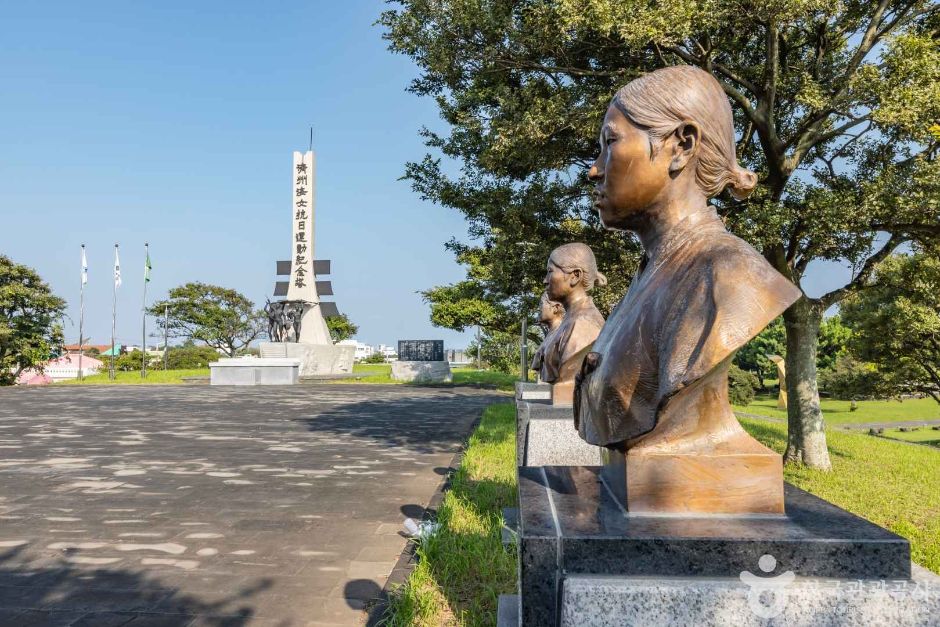
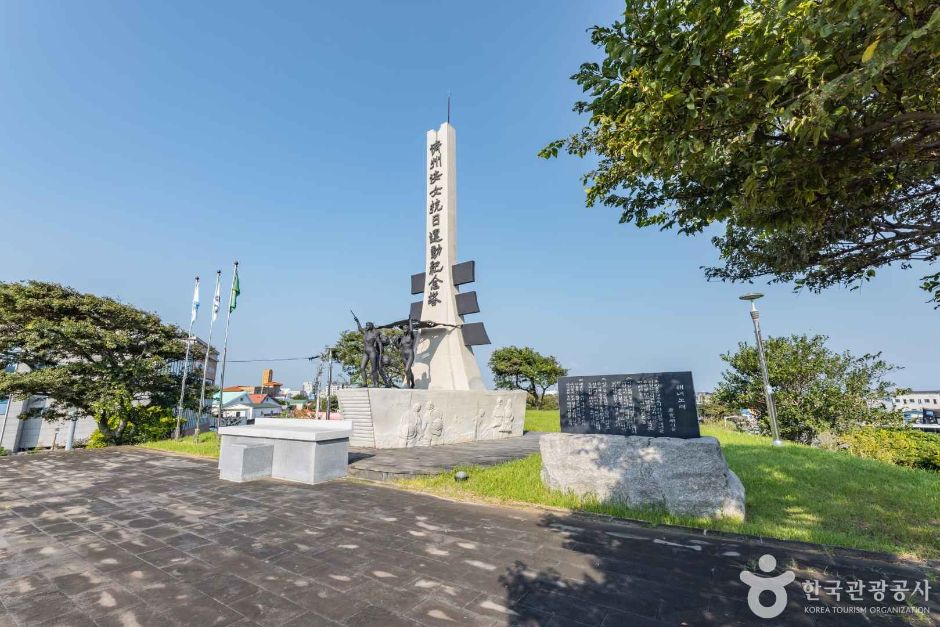
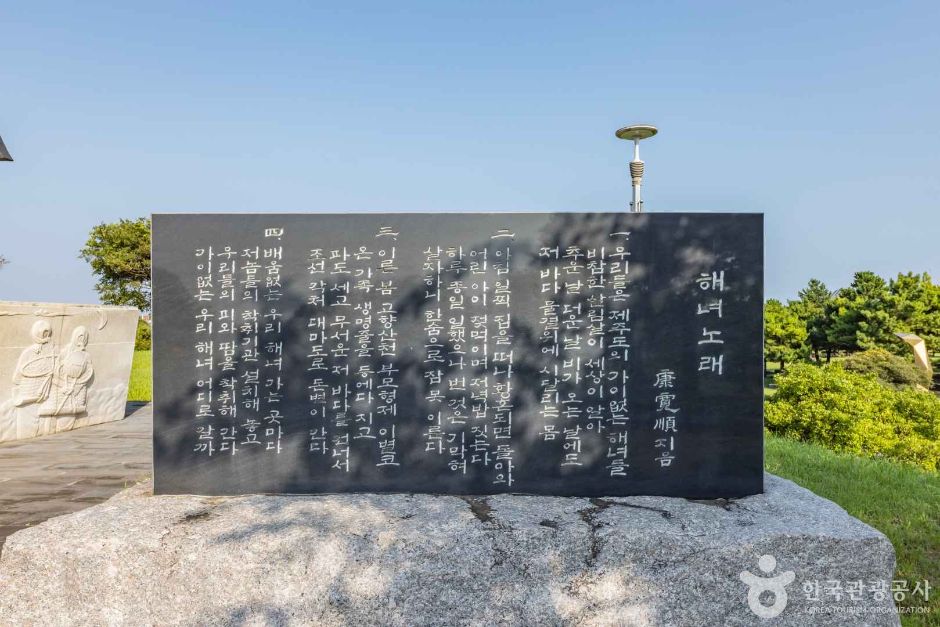
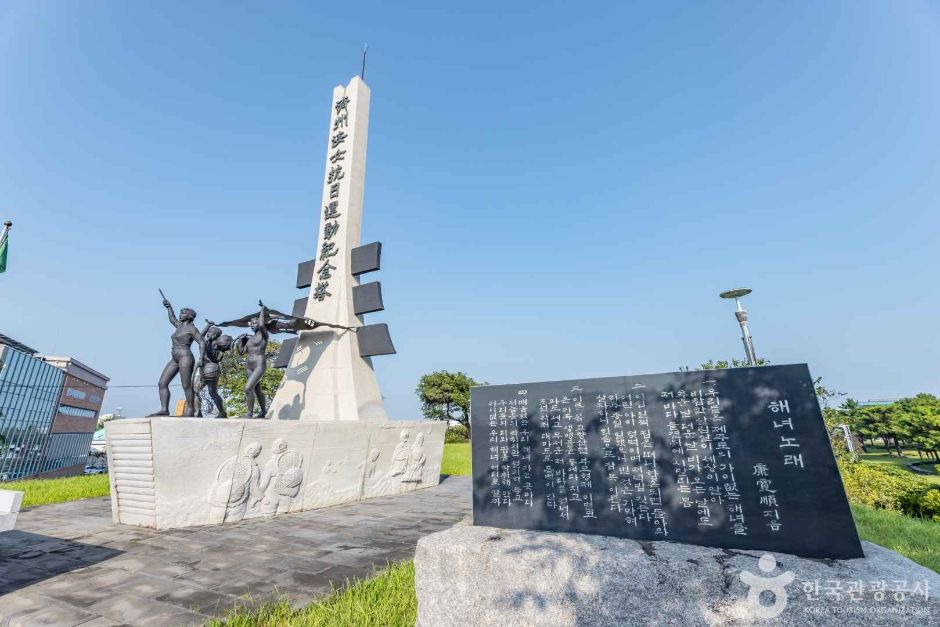
Visiting a historical site in person is a precious opportunity to experience stories you’ve only read in books with all five senses. Here are some tips for making your visit to the **Jeju Haenyeo Anti-Japanese Movement Memorial Tower** even more meaningful.
Suggestions for a Deeper Understanding of the Memorial Tower
- Prior Learning If you acquire basic knowledge about the haenyeo anti-Japanese movement beforehand, the meaning of the memorial tower will feel even more special.
- Interpretation Program We recommend using the interpretation programs or audio guides provided on-site to hear professional explanations.
- Connect with the Haenyeo Museum Visit the nearby Haenyeo Museum to deeply understand the daily lives and hardships of the haenyeo, and feel where their anti-Japanese spirit originated.
- Seasonal Visit Jeju’s four seasons each have different charms. While any time is good with the blue sea, visiting on a clear, less windy day will allow you to comfortably explore around the memorial tower.
Directions & Usage Information
The **Jeju Haenyeo Anti-Japanese Movement Memorial Tower** is located in the eastern part of Jeju. When using public transportation, you can take the Donghoeseon Ilju Bus (No. 701 or 710) from Jeju Intercity Bus Terminal, get off near Deokcheon-ri or Sehwa-ri in Gujwa-eup, and then proceed. If you are driving, you can easily find it by entering the address into your navigation system.
Operating hours and admission fees may vary, so it is best to check the latest information from the relevant institutions before your visit. Generally, memorial towers located outdoors are open at all times, but if there are indoor facilities, you should check their opening hours.
| Item | Content |
|---|---|
| Address | 26 Haenyeo Museum Road, Gujwa-eup, Jeju-si, Jeju Special Self-Governing Province |
| Operating Hours | Always open (However, indoor facilities such as the Haenyeo Museum require checking separate operating hours) |
| Admission Fee | Free |
| Parking | Available parking spaces nearby |
The Jeju Haenyeo Anti-Japanese Movement Memorial Tower, Forever Engraved in Our Hearts
The **Jeju Haenyeo Anti-Japanese Movement Memorial Tower** is not just a mere stone. It is a sacred site embodying the fiery hearts and indomitable spirits of women who, during the Japanese colonial period, resisted earlier and more fiercely than any intellectual or male activist. Here, we remember their noble sacrifice and realize that the freedom and peace we enjoy were never obtained for free.
If you visit Jeju, I strongly recommend pausing your steps from merely chasing beautiful scenery to stop by the **Jeju Haenyeo Anti-Japanese Movement Memorial Tower**. Encounter Jeju’s hidden history and listen to the courageous cries of women that transcend time. That echo will surely be remembered in your heart for a long time.
Frequently Asked Questions
Q1. What is the significance of the Jeju Haenyeo Anti-Japanese Movement Memorial Tower?
The Jeju Haenyeo Anti-Japanese Movement Memorial Tower was built to commemorate the spirit of the Jeju Haenyeo Anti-Japanese Movement that occurred in 1932 and the sacrifices of the participating haenyeo. It holds immense historical significance as the largest anti-Japanese movement in Korea and the only one led by women.
Q2. Why did the Jeju Haenyeo Anti-Japanese Movement occur?
It was a resistance movement that arose during the Japanese colonial period, as Jeju haenyeo fought against the unfair exploitation and nationally discriminatory fishing policies of Japanese merchants and fishing cooperatives, to protect their right to livelihood and national pride. Their strong vitality and spirit of self-reliance were the driving force.
Q3. Are there other places worth visiting around the memorial tower?
Yes, right next to the memorial tower is the Jeju Haenyeo Museum, which meticulously displays the lives and culture of the haenyeo. Visiting in conjunction with this museum will help you gain a deeper understanding of the background of the haenyeo anti-Japanese movement and their way of life.
Q4. Is there an admission fee for the Jeju Haenyeo Anti-Japanese Movement Memorial Tower?
The memorial tower itself is located outdoors, is always open, and has no separate admission fee. However, if there are paid facilities nearby, such as the Jeju Haenyeo Museum, you will need to check their admission fees separately.
Q5. Are there any special precautions to keep in mind when visiting the memorial tower?
As this is a place of deep historical significance, please visit with reverence and be careful not to damage the memorial tower and surrounding facilities. Additionally, the weather on Jeju’s coast can be unpredictable, so it’s advisable to check weather information and prepare appropriate clothing before your visit.