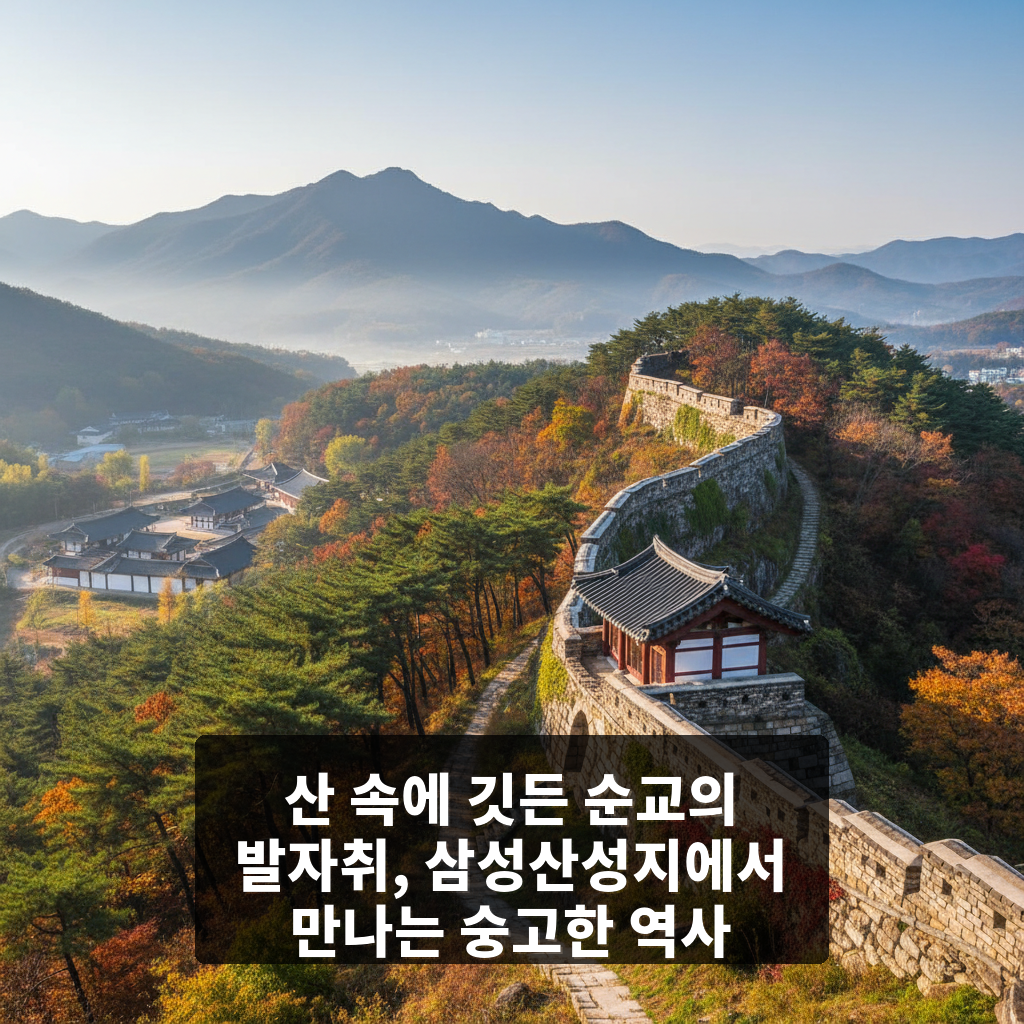
The traces of martyrdom enshrined in the mountains, the sacred history encountered at Samsungsan Seongji


One day in the past, there is a place where the hot blood of those who tried to uphold their beliefs seeped into the deep darkness of the Korean Peninsula. The stories of those who, undeterred by numerous persecutions, preached the gospel and ultimately bore witness to their faith with their own lives, resonate deeply with us today. The site of that noble sacrifice and dedication is none other than Samsansanseongji, located in Gwanak-gu, Seoul.
This place, where a page of history that seemed to be forgotten speaks to us today, is more than just a religious relic; it makes us reflect on the value of religious freedom and human dignity. From nameless grassroots believers to the clergy who laid the foundation of the Joseon Church, this Samsansanseongji is a sacred land where the souls of all those martyrs reside.
How about taking a break from the breathless daily life of the city and listening to the stories unfolding in the quiet mountains? What insights can we gain from this place, deeply imbued with the scent of history?
Blossoming Faith, the Devotion of Three Holy Priests Inscribed in Samsansanseongji
Samsansanseongji is a sacred place where the relics of Bishop Laurent-Joseph-Marius Imbert (Bum), the 2nd Apostolic Vicar of Joseon, Father Pierre Maubant (Na), and Father Jacques Chastan (Jeong), who were martyred by decapitation in 1839 Gihae Bakhae, were once enshrined. These three holy priests entered the distant foreign land of Joseon, preached the Gospel, administered the sacraments, and devoted all their efforts to caring for believers even amidst persecution.
Pioneers who Sowed the Seeds of the Joseon Church


- Bishop Imbert As the 2nd Apostolic Vicar of Joseon, he led the church amidst difficult circumstances and lit the lamp of faith.
- Father Maubant His contribution was particularly significant. He selected three young men—Kim Dae-geon, Choe Yang-eop, and Choe Bang-je—as seminarians and sent them to study in the West, making a profound contribution to the training of the first Korean priests. This became a crucial cornerstone for the future of the Joseon Church.
- Father Chastan Together with Father Maubant, he remained by the side of the believers amidst the maelstrom of persecution, dedicating himself to pastoral activities until the very end.
During the Gihae Persecution, they surrendered and were martyred at Saenamteo, and their relics were temporarily interred on Nogosan. Later, in 1843, they were reinterred at the present-day Samsansanseongji, and subsequently underwent an eventful journey to be enshrined once again in the Myeongdong Cathedral Holy Site Cemetery.
The Journey of the Relics, and Their Resurrection as a Holy Site
The noble sacrifice of the three holy priests was not in vain. They were beatified in 1925 and canonized as saints by Pope John Paul II in 1984. This became an important opportunity to spread the faith of the Joseon martyrs to the churches worldwide.
The Relics of the Saints, Back to Samsansan


In 1989, to commemorate the 5th anniversary of their canonization, some of the saints’ relics were moved back to Samsansanseongji and enshrined. This made the place an even more meaningful holy site where the spirit of the martyrs lives on. It is currently systematically managed under the jurisdiction of Samsansan Church, and Sunday Mass is offered annually on September 21st (Martyrs’ Day) and from the 2nd Sunday of Easter until the Solemnity of Christ the King, with many believers and pilgrims visiting to reflect on their faith.
A Place Where the Breath of Saints Resides
- Guidance within the Holy Site Information boards and pilgrimage routes for pilgrims are well maintained, making it suitable for walking along the historical footsteps and meditating.
- Regular Mass Regular Masses are offered on September 21st (Martyrs’ Day) and during specific periods, providing deep spiritual comfort to believers.
- Harmony with Nature Nestled peacefully within the beautiful nature of Samsansan, it offers tranquil rest beyond its religious significance.
Following the Quiet Forest Path, Directions to Samsansanseongji
A trip to Samsansanseongji, where history and nature harmonize, away from the bustling city, will be a good opportunity to cleanse your body and mind. It is easily accessible, so you can visit by public transport.
See at a Glance with a Map
For the exact location of the holy site, please refer to the map below for convenience.
Practical Tips for Visitors
- Using Public Transportation You can conveniently access it by taking a bus or village bus from Seoul National University Station (Line 2) or Gwanaksan Station. It is advisable to check local information for detailed routes.
- Parking Information When using a private car, parking spaces are available within or near the holy site, but it can be crowded on weekends or during specific Mass times, so public transportation is recommended.
- Dress Code and What to Bring Considering it is a sacred place, it is recommended to wear neat attire and comfortable shoes as there are walking paths. Bringing water, light snacks, or tools for meditation can make your time more meaningful.
- Exploring the Surroundings Walking along the Samsansan hiking trails or the Gwanaksan Perimeter Trail near the holy site is a good way to enjoy nature. The nearby Seoul National University campus and various cultural facilities also make it a good place for combined visits.
Reflecting on History’s Lessons, a Journey to Find Peace
Samsansanseongji harbors the pain of the past, but at the same time, it is a place that conveys hope and courage. Visiting this place is more than just exploring a site; it will be a precious experience to honor the spirit of those who sacrificed everything for their beliefs and to reflect on our own lives. Listen to the echoes of history in the quietness, and take time to discover the true values that are easily forgotten in modern society.
On a day in the season of cool breezes, or a serene autumn day when the leaves change color, Samsansanseongji will offer deeper resonance and emotion than any glamorous tourist destination. The peace of mind and time for reflection gained here will bring a subtle but clear change to your daily life.
Frequently Asked Questions
Q1. What kind of place is Samsansanseongji?
Samsansanseongji is a historical martyr holy site where the relics of three French priests who were martyred during the 1839 Gihae Persecution—Bishop Laurent-Joseph-Marius Imbert, Father Pierre Maubant, and Father Jacques Chastan—were once enshrined. They were important figures who laid the foundation of the Joseon Catholic Church and contributed to the training of Korean priests.
Q2. Where are the relics of the three holy priests currently located?
The relics of the three saints were martyred at Saenamteo, passed through Nogosan and Samsansan, and were finally enshrined in the Myeongdong Cathedral Holy Site Cemetery. However, to commemorate the 5th anniversary of their canonization in 1989, some of the relics were moved back to Samsansanseongji and enshrined, allowing visitors to feel the presence of the saints even here today.
Q3. Can one participate in Mass at Samsansanseongji?
Yes, Samsansanseongji is managed under the jurisdiction of Samsansan Church, and Sunday Mass is regularly offered annually on September 21st (Martyrs’ Day) and from the 2nd Sunday of Easter until the Solemnity of Christ the King. It is advisable to inquire with the holy site for exact Mass times before visiting.
Q4. Are there any places worth visiting around Samsansanseongji?
Around Samsansanseongji, the Samsansan and Gwanaksan hiking trails are well connected, making it ideal for nature walks. Additionally, the nearby Seoul National University campus allows visitors to experience both an academic atmosphere and nature simultaneously.
Q5. Are there any specific precautions to take when visiting the holy site?
As it is a sacred place, it is important to wear neat attire and maintain a reverent attitude. Since there are walking paths, it is advisable to wear comfortable shoes and to also pay attention to environmental protection, such as taking your trash with you. During Mass, it is polite to refrain from taking photographs.