
Time Carved on the Waves: Geoje Gabaeryangjinseong, Its History’s Secret Waves


The Geoje coast boasts a serene landscape that seems forgotten by the flow of time. However, beneath this peaceful appearance lie fierce history and hidden stories that protected the southwestern seas during the Joseon Dynasty. What secrets might this place, once a steadfast fortress, hold? Today, we aim to trace the great footsteps hidden behind the sturdy name of Gabaeryangjinseong.
This is not just a fortress. Since its construction in the 21st year of King Seongjong’s reign (1490), it has functioned as the core of coastal defense in western Gyeongnam during the early Joseon Dynasty, the main headquarters of the Gyeongsang Usuyeong, and stood proudly as one of the seven naval garrisons of Geoje, a living witness to history. Why was this place destined to become such a crucial strategic point?
The Sea Route that Became the Heart of Joseon: Gabaeryangjinseong, Its Genesis and Strategic Value
As you walk along the beautiful coastline of Geoje, Gyeongsangnam-do, you will encounter the ancient traces of Gabaeryangjinseong. Located at the gateway to Geoje among the two sea routes splitting towards Tongyeong and Geoje, with Hansan Island in the center, this place has long been evaluated as a strategically very important point. Used as the Gyeongsang Usuyeong and Samdosuguntongjeyeong for over 170 years, from the 7th year of King Sejong’s reign (1425) to the 24th year of King Seonjo’s reign (1601), its historical significance has deepened even further.
Imjin War, Shining Brightly in the Midst of Turmoil
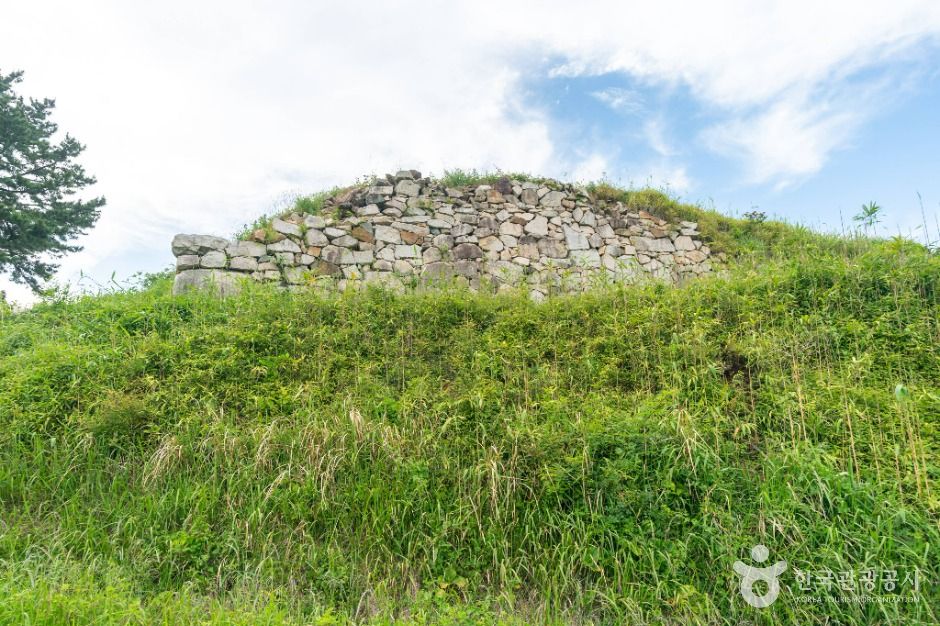
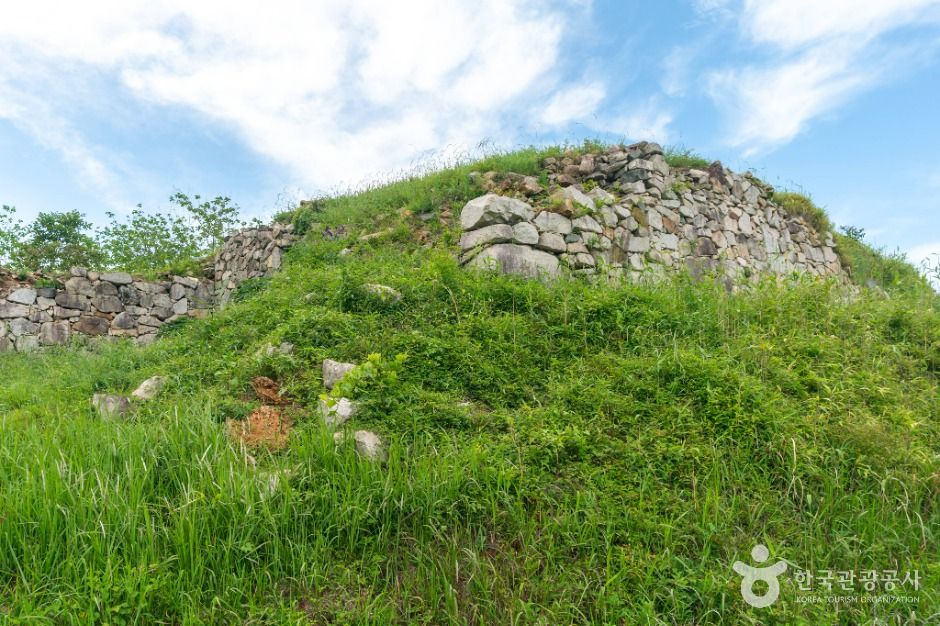
Even amidst the whirlpool of the Imjin War that shook the Eight Provinces of Joseon, Gabaeryangjinseong played a crucial role. Notably, in the 16th year of King Seonjo’s reign (1593), after Admiral Yi Sun-sin became the Samdosuguntongjiesa and established its main headquarters on Hansan Island, records show that Gabaeryangjinseong was also extended and rebuilt on a larger scale than before, clearly demonstrating its importance at the time. Its solidity and strategic advantage shone brightly in a war that determined the fate of the nation.
The Journey Contained in the Name: A Record of Change and Rebirth
After the Imjin War, the Samdosuguntongjeyeong was temporarily moved to the Gyeongsang Usuyeongseong in Geoje, where Gabaeryangjinseong was located. But its journey did not stop there. In the 24th year of King Seonjo’s reign (1601), it was moved again from Geoje to Goseong, and just three years later, it finally relocated to its present-day site in Tongyeong. Thus, following the flow of history, the naval headquarters moved its location several times, entering new eras.
What is particularly interesting is that it began to be called ‘Gabaeryangjinseong,’ its current name, after the ‘Gabaeryangjin’ that was in Goseong at the time moved here. Beyond being a simple fortress, it is a place that decorated a page of history, changing its name according to its geographical location and the needs of the era. Until it fulfilled its role during the Gab-o Gaehyeok in the 31st year of King Gojong’s reign (1894), this place ceaselessly guarded the seas of Joseon.
Major Base of the Joseon Navy, Why Was It Important?
Klook.com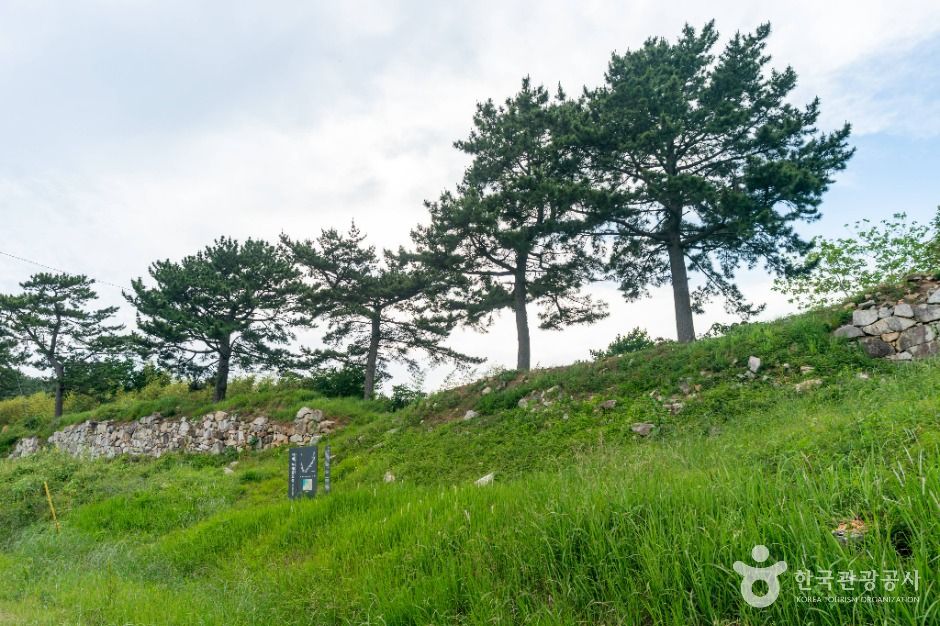
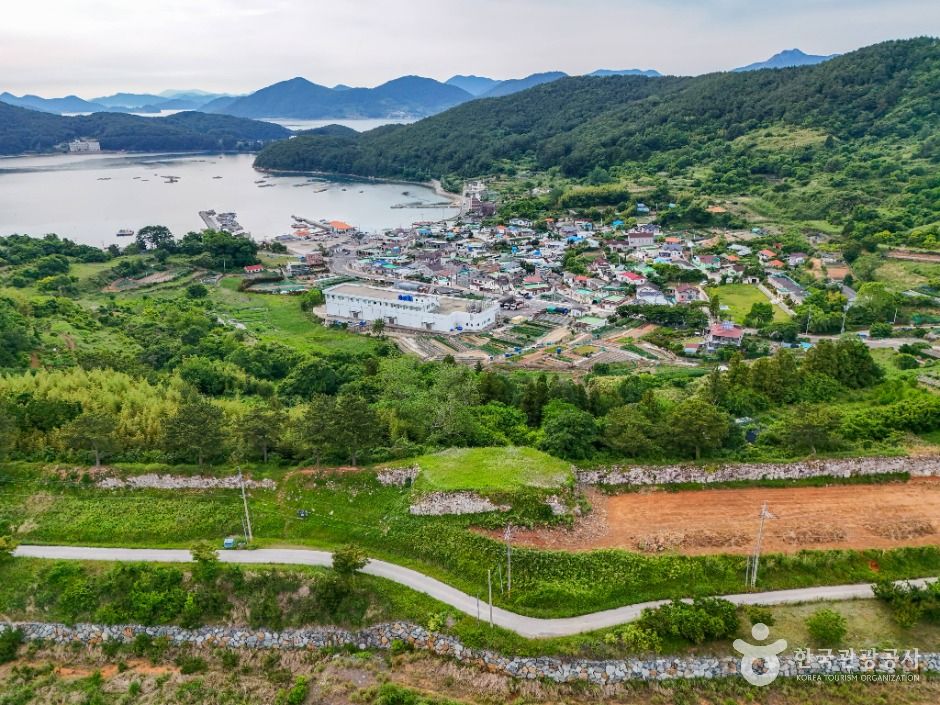
- Geographical Advantage Located at the maritime gateway between Geoje and Tongyeong, centered around Hansan Island, it was an optimal strategic point for monitoring and defending against Japanese pirate invasions.
- Administrative Importance As the main headquarters of the Gyeongsang Usuyeong and a temporary base for the Samdosuguntongjeyeong, it served as the heart of naval operations for the entire southern coast.
- Military Facilities As evidenced by records of its extension and reconstruction, it was reinforced into a sturdy fortress that maximized defensive capabilities beyond a mere camp, functioning as a refuge and resistance base during times of crisis.
A Landscape Where Past and Present Coexist: Exploring Gabaeryangjinseong Today
Though much time has passed and it no longer retains all of its original magnificent appearance, Gabaeryangjinseong still silently conveys its profound history while gazing at the Geoje sea. As you walk along the traces of the fortress and explore this place, you can have a mystical experience, as if hearing the breath of the Joseon naval forces and their shouts cutting through the sea breeze.
A Path Back Through Time
In modern times, Geoje Gabaeryangjinseong is situated within a quiet and peaceful fishing village landscape. Public transportation accessibility may be somewhat limited, so using a private car is recommended. Spacious parking is well provided, allowing for convenient visits. Well-maintained walking paths along the sea are developed around the fortress, allowing you to enjoy the beautiful Geoje sea along with your historical exploration.
Practical Travel Tips for Visitors
- Explore Historical Information If you familiarize yourself with the historical background of Gabaeryangjinseong before your visit, you can understand the ruins more deeply and have a moving experience. Read the on-site information boards carefully.
- Enjoy the Walking Trails Walk along the coastal paths around the fortress and admire the spectacular views of the Geoje sea. You can encounter a fantastic scene, especially if you visit at sunset.
- Connect with Nearby Tourist Attractions Geoje Island boasts beautiful scenery and numerous tourist attractions. Planning your itinerary to include nearby attractions like Hakdong Mongdol Beach and Baramui Eondeok will make your trip even richer.
- Comfortable Shoes are Essential Since there are many paths for walking and exploring around the fortress, it is advisable to wear comfortable shoes.
Following the Footsteps of the Geoje Navy: Major Nearby Naval Bases
Major Naval Bases in the Geoje Area During the Imjin War
- Okpojin This was the setting for the Battle of Okpo, Admiral Yi Sun-sin’s first victory, and an important base for the defense of Geoje’s eastern coast.
- Yeongdeungpojin Located to the west of Geoje Island, it served to monitor the main invasion routes of the Japanese forces alongside Hansan Island.
- Jorajin Located near Gyeonnaeryang Strait, it worked in conjunction with the Hansan Island encampment to control the movements of the Japanese naval forces.
A Special Journey into History
Gabaeryangjinseong, which once dominated an era, still resonates deeply within our hearts today. Amidst the beautiful nature of Geoje, why not take a moment to feel the glory and pain of the past through the traces of this fortress that has silently guarded history? Time spent here will be more than just a trip; it will be a meaningful journey to reflect on our history and honor the wisdom and courage of our ancestors.
Frequently Asked Questions
Q1. What role did Gabaeryangjinseong play?
Gabaeryangjinseong was used as the core of coastal defense in western Gyeongnam during the early Joseon Dynasty and the main headquarters of the Gyeongsang Usuyeong, serving as a major base for the Samdosuguntongjeyeong from the reigns of King Sejong to King Seonjo. It is a historical place that played a decisive role in preventing Japanese pirate invasions and establishing a maritime defense system.
Q2. How did the name Gabaeryangjinseong originate?
Originally called the main headquarters of the Gyeongsang Usuyeong, it is said that after the Imjin War, following several relocations of the Samdosuguntongjeyeong, the ‘Gabaeryangjin’ that was in Goseong moved here in the 24th year of King Seonjo’s reign (1601), and from then on, it began to be called ‘Gabaeryangjinseong’. The change in name according to its geographical importance is interesting.
Q3. Are there any stories related to Admiral Yi Sun-sin during the Imjin War?
Yes, there are records that in the 16th year of King Seonjo’s reign (1593), after Admiral Yi Sun-sin became the Samdosuguntongjiesa and established its main headquarters on Hansan Island, Gabaeryangjinseong was also extended and rebuilt on a larger scale than before. This demonstrates that its strategic value and military importance grew under Admiral Yi Sun-sin’s command during the Imjin War.
Q4. What ruins can be seen at Gabaeryangjinseong today?
Although the original form of the fortress is not entirely preserved due to the passage of time, some traces and the site of the ramparts can still be identified today. Walking along the surrounding trails, one can reflect on its historical significance and enjoy the beautiful scenery of the Geoje sea. Through the information boards, one can imagine its appearance at the time.
Q5. What should I keep in mind when visiting Gabaeryangjinseong?
As Gabaeryangjinseong is an outdoor historical site, it is advisable to wear weather-appropriate attire and comfortable shoes. To prevent damage to the site, please use designated trails and exercise civic responsibility to keep it clean. We hope you enjoy the pleasure of historical exploration along with the beautiful surrounding scenery.
 Love Korea? Promote it & Earn.