
Yeongji Stone Seated Buddha Statue, in which a legend of love is enshrined: The Aesthetics of a Thousand Years of Waiting


Do you know the sad legend of the woman who waited for her loved one and eventually threw herself into the water? Deep in Oedong-eup, Gyeongju, where it has silently stood for a millennium, the Yongjiseokbuljwasang is not just a Buddhist statue, but a cultural heritage embodying the pain and aspirations of an era.
This Seated Stone Buddha, showcasing the exquisite carving techniques and the essence of Buddhist art from the Unified Silla period, offers a profound resonance to those who behold it. Especially the story of Asanyeo and Asadal that surrounds it gives even more special meaning to the statue. Shall we delve into the story held by this ancient stone Buddha?
A Millennium Witness to a Legend of Love
The story of Asanyeo, who traveled all the way to Gyeongju from afar to find Asadal, who was building the Seokgatap Pagoda at Bulguksa Temple, but ultimately couldn’t meet him and chose death by throwing herself into a pond, brings us deep sorrow. The most famous legend associated with the Yongjiseokbuljwasang is the tragic love story of Asanyeo and Asadal. Although it is said that Asadal created this statue to commemorate Asanyeo, the exact factual relationship has not yet been clarified, adding to its mysterious aura. This legend, more than just a story, further elevates the emotional value of the Buddhist statue.
Legend, Breathing Life into the Buddhist Statue
- Asanyeo’s Waiting Asanyeo’s earnest heart, desperately awaiting news of Seokgatap Pagoda’s completion, resides in Yongji.
- Asadal’s Mourning The theory that Asadal created this Buddhist statue for Asanyeo after her death adds human tragic beauty to the statue.
- The Meaning of Yongji As the place where Asanyeo’s sorrow is enshrined, having thrown herself into ‘Yongji’ Pond, the Buddhist statue becomes a symbol remembering that pain.
Revisiting the Aesthetics of Silla, the Breath of Yongjiseokbuljwasang
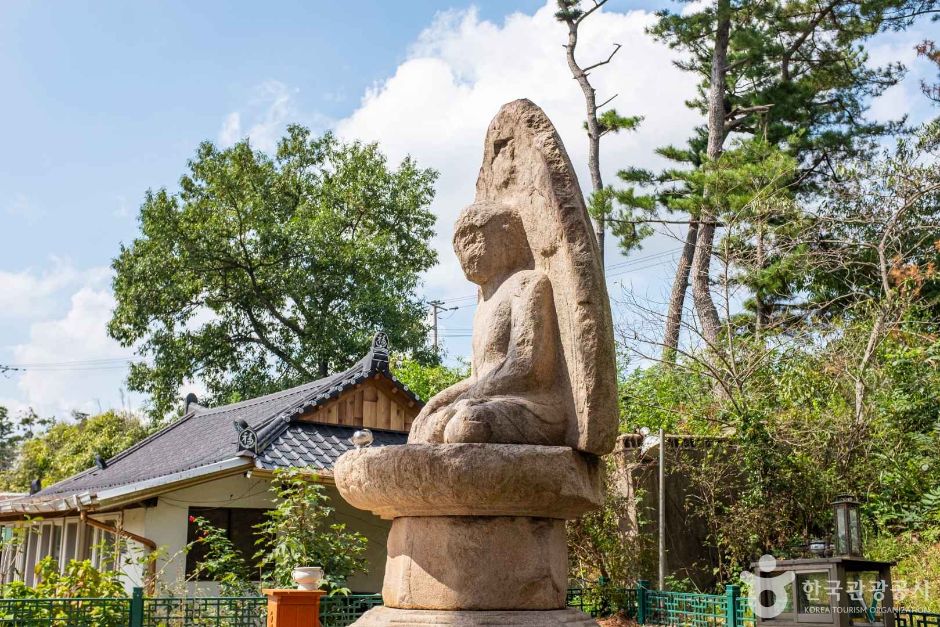
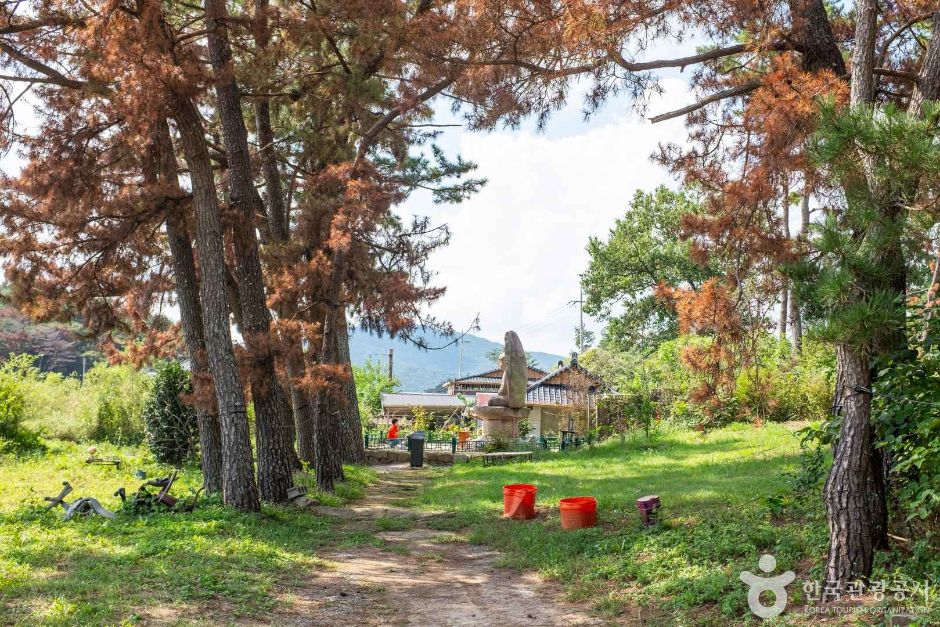
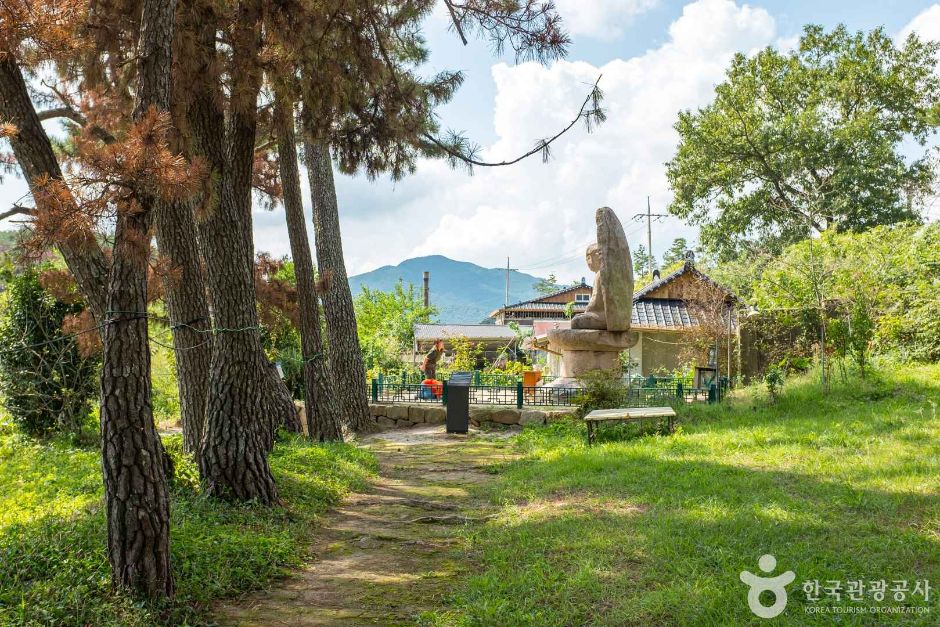
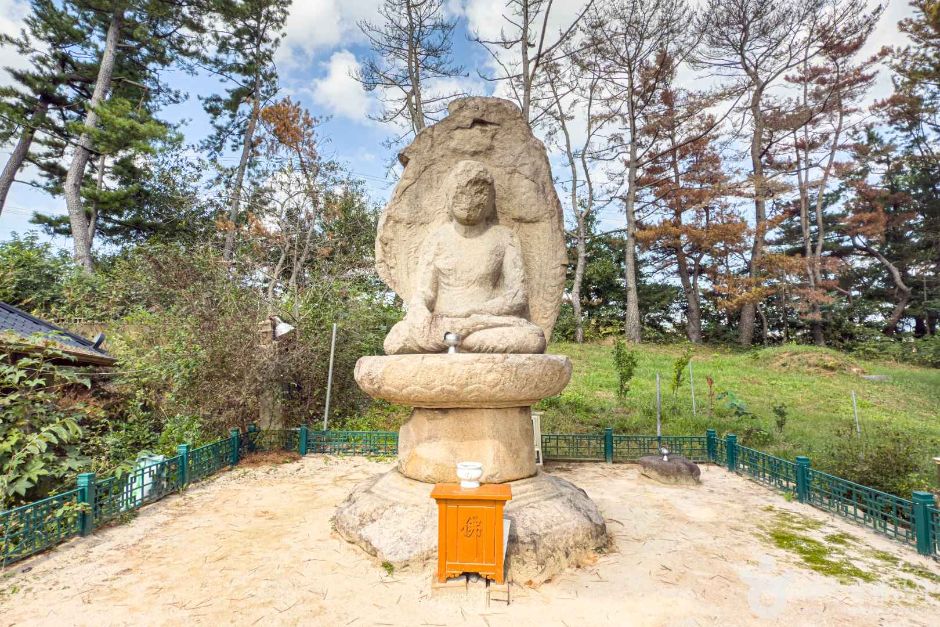
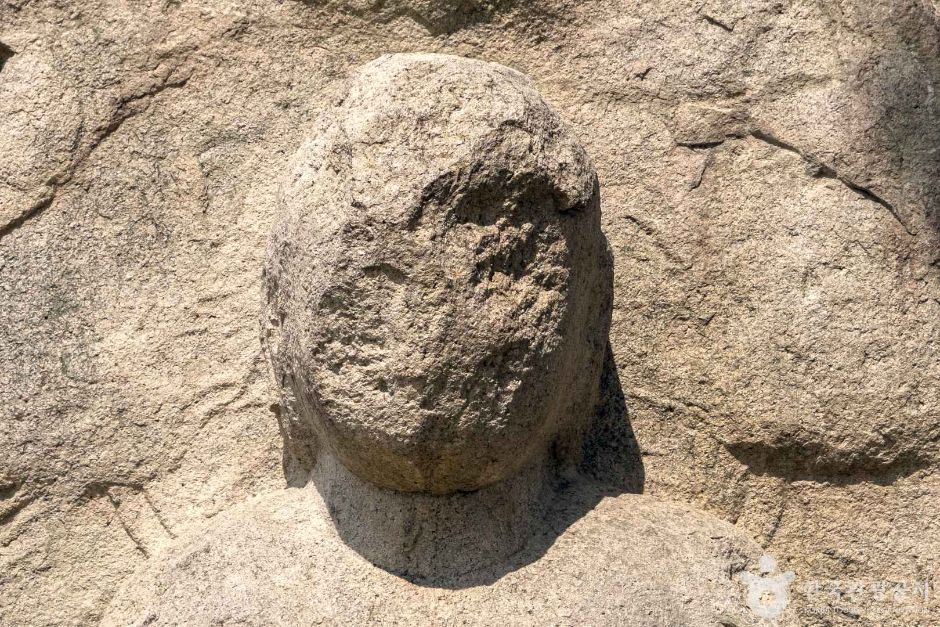
Located in Gwaeneung-ri, Oedong-eup, Gyeongju, Gyeongsangbuk-do, the Yongjiseokbuljwasang is a valuable cultural heritage showcasing the essence of Buddhist statue styles from the Unified Silla period. Although parts of the halo and head have worn away over a long time, making it difficult to fully discern its original form, the remaining sculptural beauty clearly demonstrates the outstanding craftsmanship of artisans at that time.
The Wisdom of Unified Silla Carved into the Buddhist Statue
Klook.comThis Seated Stone Buddha well displays characteristics commonly seen in Unified Silla Buddhist statues, such as a sturdy yet well-balanced body, a gentle waistline, and an emphasized volume in the knees. The right hand assumes the Bhumisparsha Mudra, with fingertips pointing towards the ground, symbolizing the conquering of all defilements, while the left hand rests on the left knee with the palm facing outwards, revealing a benevolent compassion as if embracing all sentient beings.
Delicate Pedestal and Halo, the Pinnacle of Art
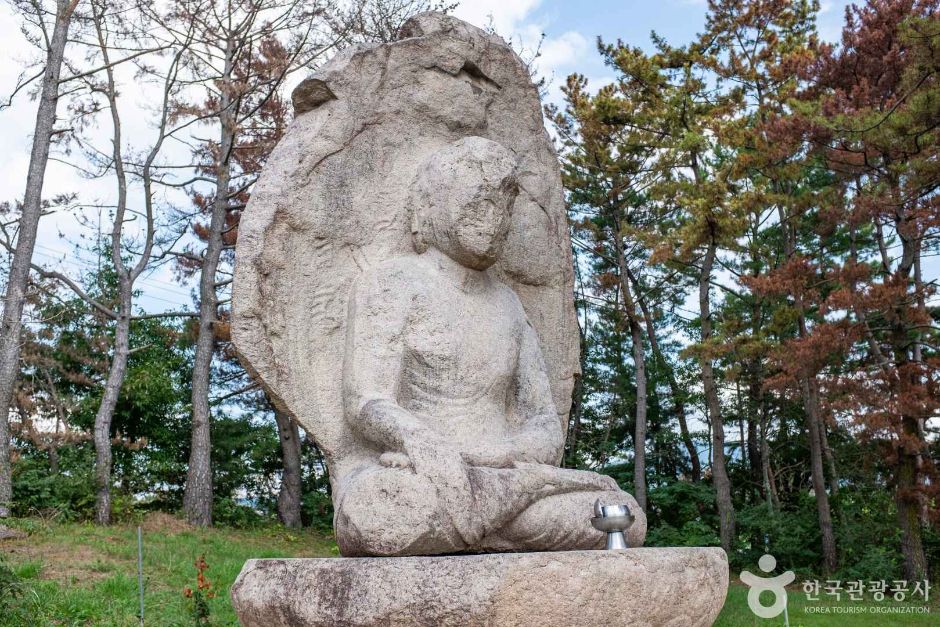
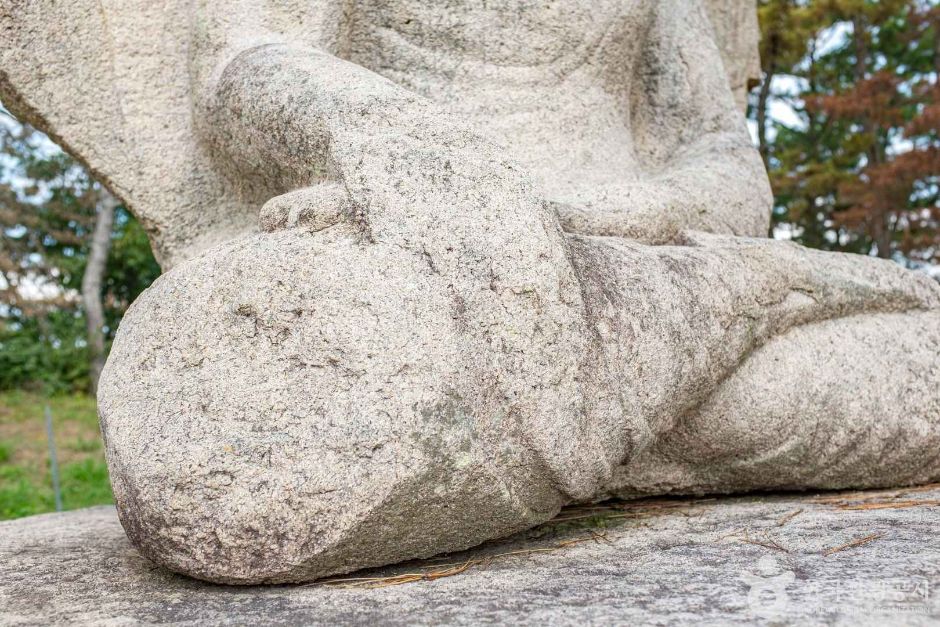
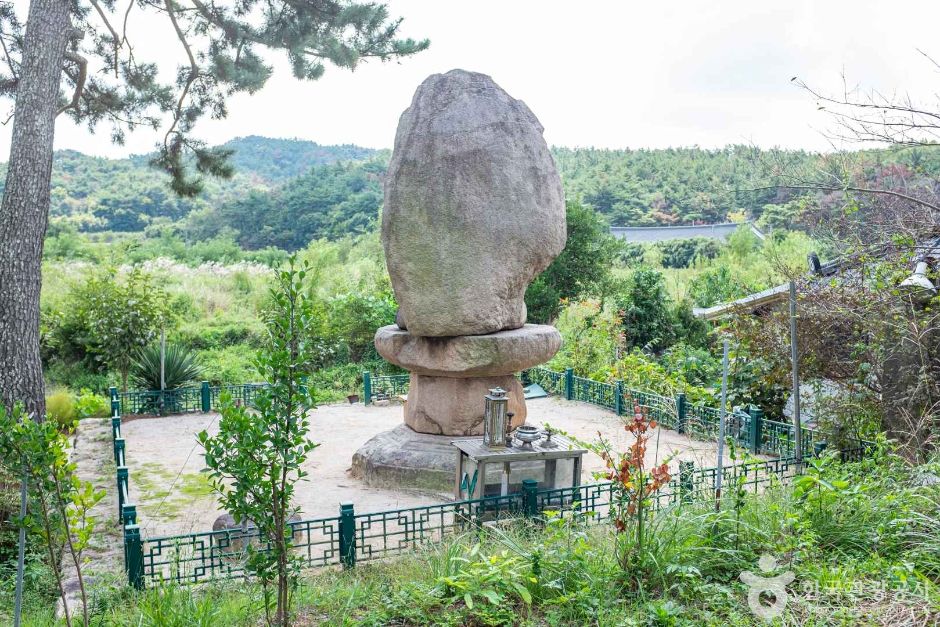
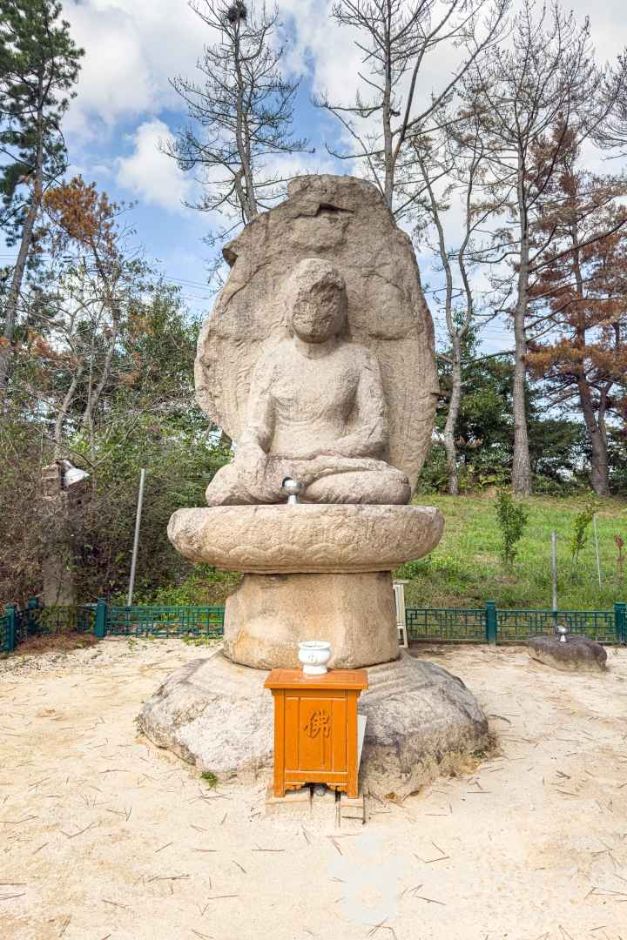
In particular, the octagonal lotus pedestal upon which the Buddhist statue sits is composed of delicate and fine carvings, and the halo, carved from a single stone together with the body of the Buddha, is a work of art in itself. Inside the halo, small Buddhas are exquisitely carved amidst intricate and ornate flame patterns, allowing a glimpse into the pinnacle of Buddhist art of that era. Although partially damaged, the artistic value of the Silla period contained within the Yongjiseokbuljwasang still shines brightly.
A Meeting Beyond Time: How to Find Yongjiseokbuljwasang
The Yongjiseokbuljwasang, quietly located in Gwaeneung-ri, Oedong-eup, Gyeongju, offers a peaceful atmosphere quite different from other famous historic sites in Gyeongju. It is an ideal place for those who wish to escape the bustling city center and feel the breath of history in tranquil nature. The path to get there, harmonizing with the surrounding scenery, will also be remembered as a special journey.
| Category | Recommended Method | Notes |
|---|---|---|
| Public Transportation | Use city bus from Gyeongju Station or Singyeongju Station (towards Oedong) | Gyeongju city buses may have long intervals, so checking the timetable is essential. Consider walking or taking a taxi from Oedong-eup. |
| Private Car | Search for Yongjiseokbuljwasang, Gwaeneung-ri, Oedong-eup, Gyeongju | Parking space may be limited, so be aware. There may be narrow sections on surrounding roads. |
For a more precise location, please refer to the map below.
Around Yongjiseokbuljwasang, a Walk Together: The Hidden Charms of Oedong, Gyeongju
Oedong-eup, where Yongjiseokbuljwasang is located, possesses a tranquil charm distinct from the bustling downtown of Gyeongju. After visiting the Buddhist statue, it is also good to explore the surroundings and discover the hidden beauty of Gyeongju. Plan a journey where history and nature harmoniously blend.
A Journey Where History and Nature Harmonize
- Bulguksa Temple & Seokguram Grotto Bulguksa Temple and Seokguram Grotto, essential courses for a Gyeongju visit, are places where you can experience the essence of Silla Buddhist art alongside Yongjiseokbuljwasang. They are accessible by car in about 20 minutes.
- Yangdong Village Yangdong Village, designated a UNESCO World Heritage site, is a living museum where you can experience traditional Korean houses and culture. If you have time, consider visiting it as well.
- East Sea If you head east from Gyeongju, you can encounter the blue East Sea. Walking along the traces of marine history, such as Munmudaewangneung Tomb or Gamsaji Three-story Stone Pagoda, is also a great experience.
How to Listen to a Millennium of Stories
Beyond merely observing Yongjiseokbuljwasang with your eyes, if you wish to deeply understand the history and legends contained within it, refer to a few tips. It will make your visit even richer and more meaningful.
- Prior Learning If you learn in advance about Yongjiseokbuljwasang, the legend of Asanyeo and Asadal, and Unified Silla Buddhist art, you can appreciate the statue more deeply.
- Choose a Quiet Time As it is located in a secluded area, we recommend weekday mornings when there are fewer visitors. You can fully commune with the Buddhist statue in a tranquil atmosphere.
- Stroll Around Walk along the small paths around the Buddhist statue and enjoy the serene nature. Clean air and birdsong add to the meditative atmosphere.
- Photography Etiquette As it is a valuable cultural heritage, it is important to photograph quietly and respectfully to avoid damaging the statue or disturbing other visitors.
The Message of Yongjiseokbuljwasang Engraved in the Heart
Quietly seated in one place, enduring a millennium of time, the Yongjiseokbuljwasang is not merely a stone Buddha. It is a living history imbued with the sorrow of a woman who faded away while waiting for her loved one, and the soul of an artisan who sublimated that pain into art. If you plan to visit Gyeongju, why not take a moment to listen to the millennium-old story told by this tranquil Buddhist statue? It will offer us a profound resonance and an opportunity for contemplation beyond time and space.
Frequently Asked Questions
Q1. What is the main legend associated with Yongjiseokbuljwasang?
The sad story of Asanyeo, who waited for Asadal, the builder of Seokgatap Pagoda at Bulguksa Temple, and eventually threw herself into a pond, is told. Although it is also said that Asadal created this Buddhist statue to commemorate Asanyeo, the exact factual accuracy is unknown.
Q2. What are the characteristics of Yongjiseokbuljwasang’s sculptural style?
It well displays the characteristics of Buddhist statue styles from the Unified Silla period, such as a sturdy body, gentle waistline, and voluminous knee expressions. The delicately carved octagonal lotus pedestal and the halo engraved with small Buddhas are particularly impressive.
Q3. Where is Yongjiseokbuljwasang located?
It is located in Gwaeneung-ri, Oedong-eup, Gyeongju, Gyeongsangbuk-do. It is situated in a tranquil area, a little distance from Gyeongju city center, making it ideal for quiet viewing.
Q4. What should I be aware of when visiting?
To protect cultural heritage, refrain from any acts that could damage the Buddhist statue, and it is best to view it in a quiet atmosphere. When using public transport, check the intervals in advance, and if using a private car, be aware that parking space may be limited.
Q5. Are there any other places worth visiting near Yongjiseokbuljwasang?
Nearby are Bulguksa Temple and Seokguram Grotto, both UNESCO World Heritage sites, and Yangdong Village, a traditional Hanok village, is also a good place to visit. Heading to the Gyeongju East Coast to explore marine historic sites such as Munmudaewangneung Tomb is also a good option.
 Love Korea? Promote it & Earn.