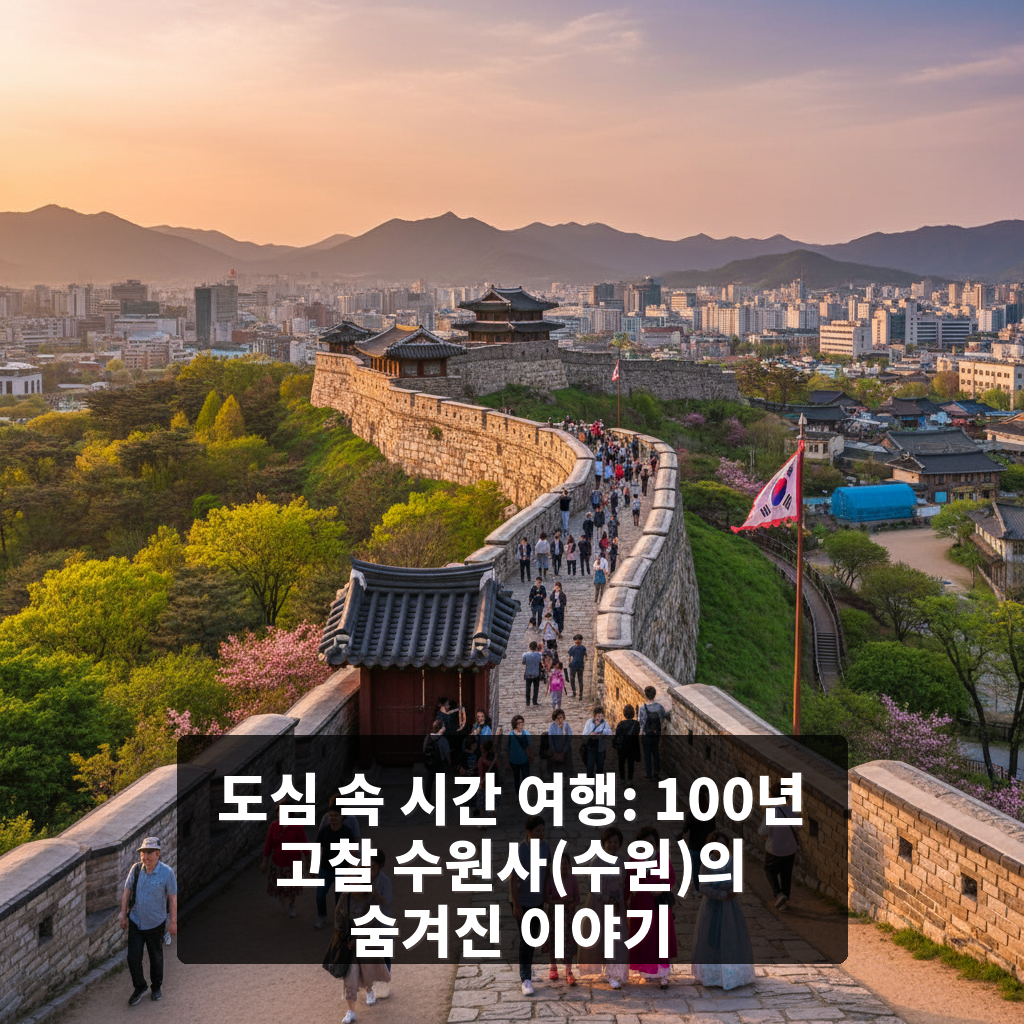
Time Travel in the City Center: The Hidden Story of the 100-Year-Old Temple Suwonsa (Suwon)


In the breathless routine of city life, there are moments when you suddenly want to encounter a tranquility where time seems to have stopped. Quietly nestled in the heart of Suwon, amidst a forest of tall buildings, **Suwonsa (Suwon)** is exactly such a place. Starting as a small mission center in 1920 and continuing to this day, this temple goes beyond being a mere religious facility; it has become a spiritual refuge for countless people and a living legacy that breathes with the city’s history.
Suwonsa, which has tirelessly spread the teachings of Buddha for nearly a hundred years, possesses a special power that allows busy modern people to pause for a moment and listen to their inner voice. What traces of history and modern values can we discover here?
1920, Becoming a Light in Suwon: Footprints of Suwonsa (Suwon)
As a direct temple of Yongjusa, the head temple of the 2nd district of the Jogye Order of Korean Buddhism, and having served as a spiritual haven for Buddhists in Suwon and the surrounding areas, **Suwonsa (Suwon)** was unique from its very beginning. On April 8, 1920, Master Daeryeon, who was then the head monk of Yongjusa, founded this place under the name ‘Suwon Buddhist Mission Center’ for the Buddhists of the Suwon region. This stemmed from a deep desire to spread the wisdom of Buddha even amidst the hustle and bustle of the city.
The Present Achieved Through the Efforts of Pioneers
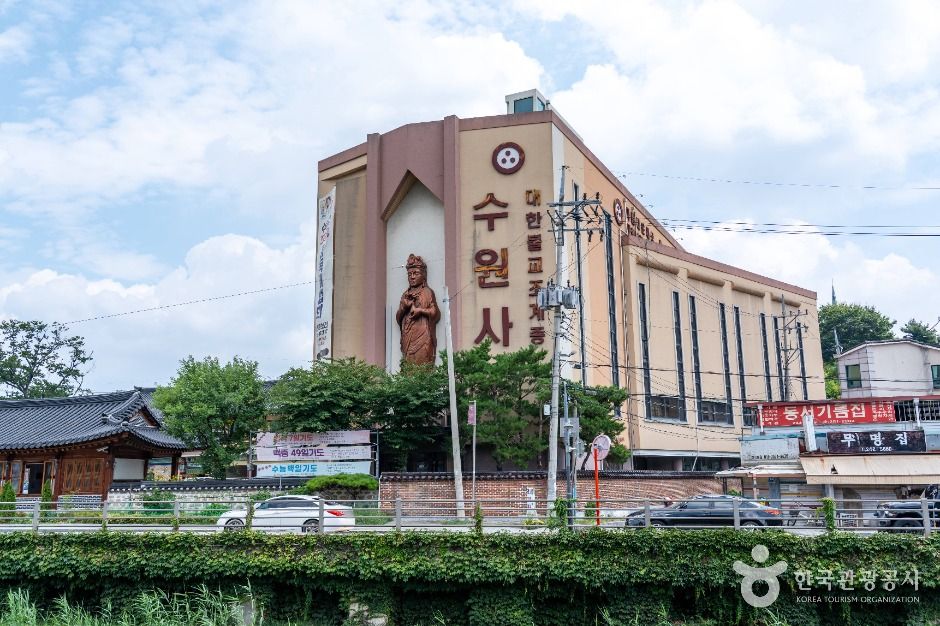
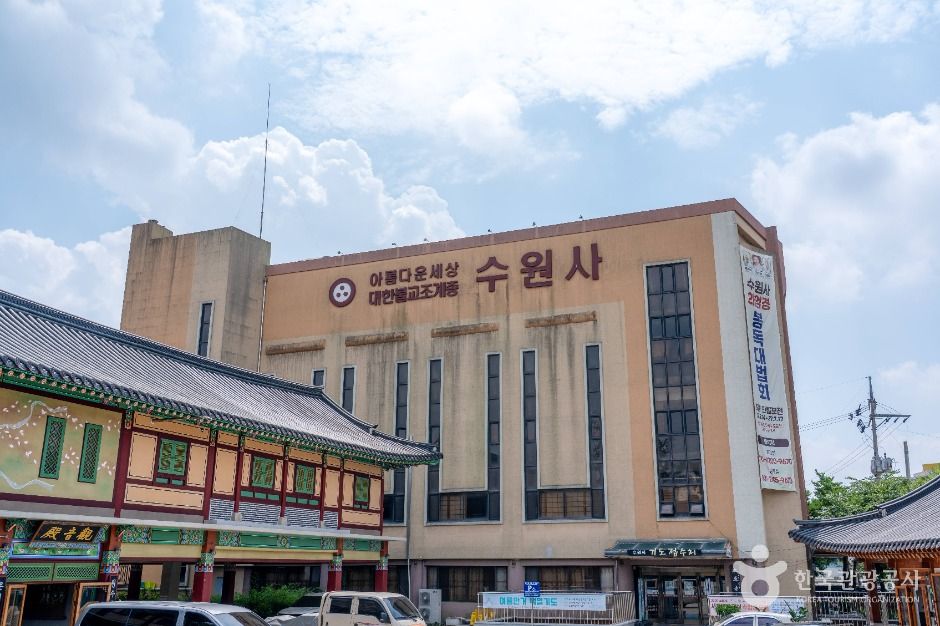
Thereafter, through the dedicated devotion and efforts of various head monks, including missionaries Im Mugyeong and Son Gyejo, as well as Master Jeongha, Yangwoo, Beopjin, Jeongrak, Jaseung, Seonggwan, and Seyoung, Suwonsa was continuously renovated and its monks’ quarters were maintained, and various Buddhist lay organizations were established, allowing for active engagement. Thanks to these efforts, Suwonsa has established itself as one of the exemplary temples nationwide.
- Founding Date April 8, 1920
- Founder Master Daeryeon, Head Monk of Yongjusa
- Original Name Suwon Buddhist Mission Center
A Cultural Temple Embracing the Hearts of Modern People: Transformation of Suwonsa (Suwon)
While preserving the traditions of the past, **Suwonsa (Suwon)** has not neglected communication with modern society. In 1999, it built a Buddhist Cultural Center with modern facilities spanning approximately 3,300 square meters across one basement floor and five above-ground floors, thus approaching citizens more closely. Through various programs such as meditation, education, and cultural experiences, this place offers the wisdom and peace of life to busy modern people.
The Harmony of Ancient Architecture’s Beauty and Practicality, Gongyanggak
Klook.com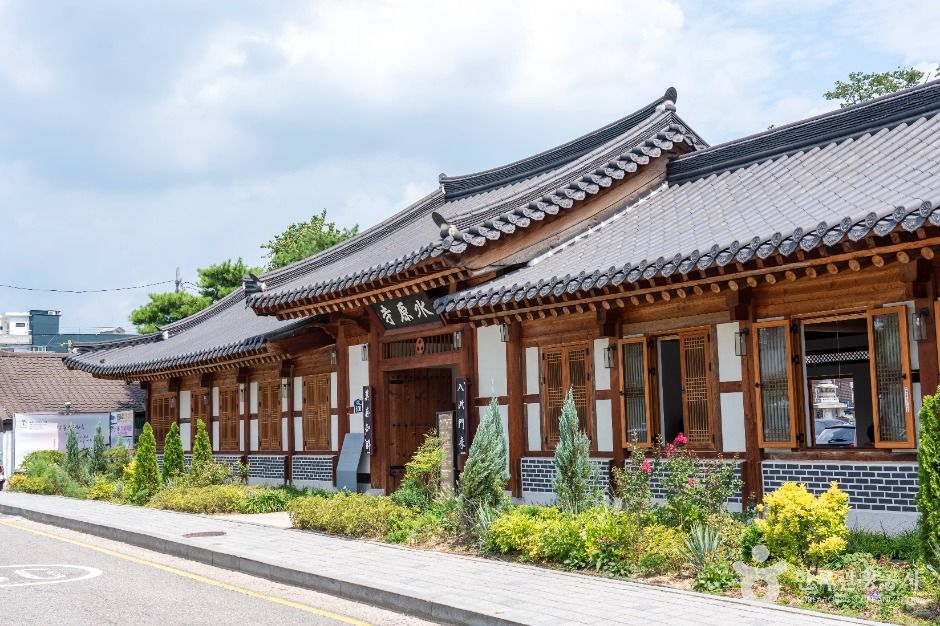
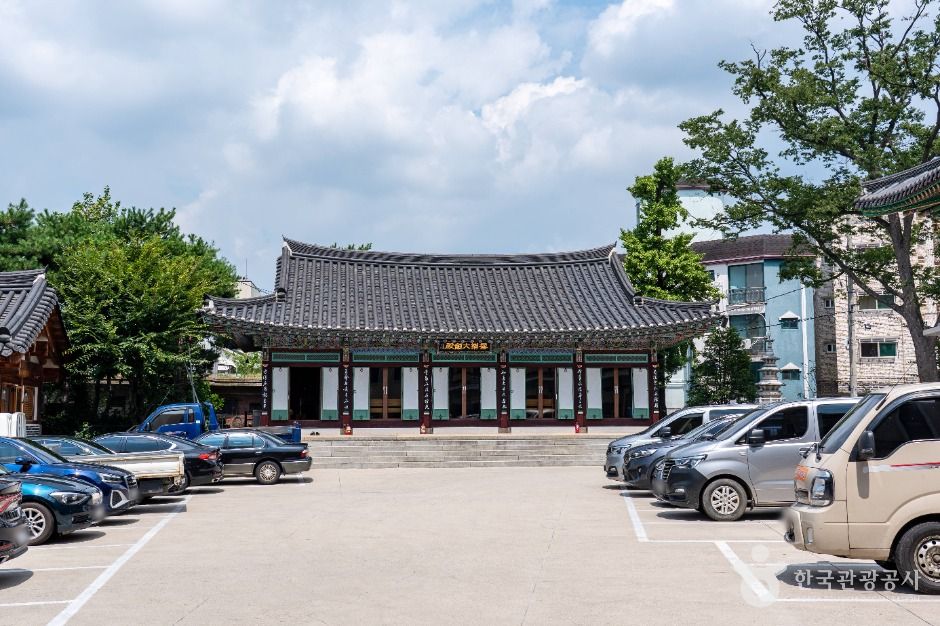
In August 2005, blending traditional ancient architectural techniques with modern construction methods, Gongyanggak (monks’ quarters·dining hall), spanning approximately 660 square meters, was newly remodeled. This place plays a significant role as a venue for Buddhists and citizens of the Suwon area to communicate and interact together, and has become another source of pride for Suwonsa, combining beautiful aesthetics with practicality.
- Buddhist Cultural Center Established in 1999, 1 basement floor/5 above-ground floors, total floor area approx. 3,300m²
- Gongyanggak Remodeled in 2005, harmony of traditional/modern architecture, total floor area approx. 660m²
- Key Roles Meditation, education, cultural experiences, venue for community communication
How to Visit with Peace of Mind: Suwonsa (Suwon) Visitor Information
A Tranquil Temple, Where is it?
Located in the city center, **Suwonsa (Suwon)** offers excellent accessibility. It serves as an ideal sanctuary for those who wish to catch their breath amidst busy city life. Please refer to the map below for your visit.
Small Advice for Visitors
- Utilize Public Transportation Easily accessible by bus or taxi from Suwon Station. Public transportation is recommended over private cars.
- Maintain Silence The temple is a space for prayer. Please be quiet and reverent, showing consideration for other visitors.
- Be Mindful of Photography Refrain from photographing Buddha statues or inside the main hall, but feel free to capture the exterior scenery.
- Inquire About Programs For meditation or educational programs you can participate in, please inquire in advance via the temple’s website or phone.
- Charm of the Four Seasons Each season offers different scenery, so it’s good to consider visiting at various times of the year.
Excursions to Find Serenity Nearby
Historical and Cultural Exploration with Suwonsa
If you visit Suwonsa, we recommend also exploring the rich historical and cultural sites nearby. Suwon Hwaseong Fortress and Hwaseong Haenggung Palace, UNESCO World Heritage sites, will offer a special experience of feeling the breath of the past along with the peace of mind gained at the temple.
- Suwon Hwaseong Fortress A UNESCO World Heritage fortress embodying the reformist will of King Jeongjo during the late Joseon Dynasty.
- Hwaseong Haenggung Palace A temporary palace where King Jeongjo stayed, and the central hub of the Suwon area.
- Paldalmun Market Where you can enjoy local specialties and food amidst the vibrant atmosphere of a traditional market.
Frequently Asked Questions
Q1. When was **Suwonsa (Suwon)** founded?
On April 8, 1920, Master Daeryeon, the head monk of Yongjusa, founded it under the name Suwon Buddhist Mission Center.
Q2. What kind of facility is the Buddhist Cultural Center?
It is a modern building, established in 1999, with one basement floor and five above-ground floors, offering various Buddhist cultural programs such as meditation and education.
Q3. What are the representative buildings of **Suwonsa (Suwon)**?
The modern Buddhist Cultural Center and Gongyanggak, which harmonizes traditional ancient architecture with modern technology, are representative buildings.
Q4. Are there Templestay programs?
It is recommended to check the official website of Suwonsa for information on Templestay programs directly operated by the temple.
Q5. Are there any places to visit near **Suwonsa (Suwon)**?
You can visit the UNESCO World Heritage sites Suwon Hwaseong Fortress, Hwaseong Haenggung Palace, and the vibrant Paldalmun Market.
 Love Korea? Promote it & Earn.