
A comma in time in downtown Seoul: The hidden story of Mitasa (Seongbuk)


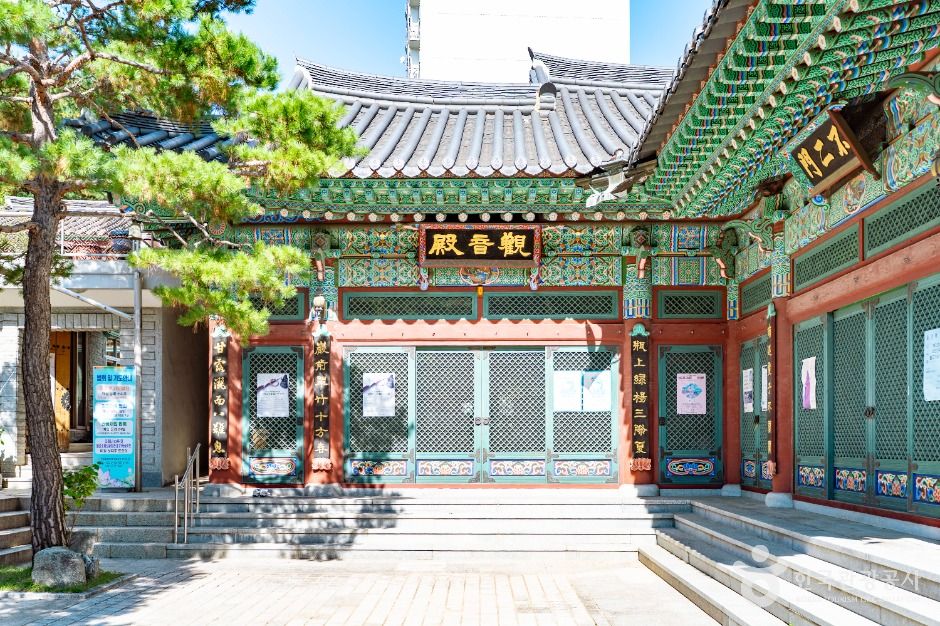
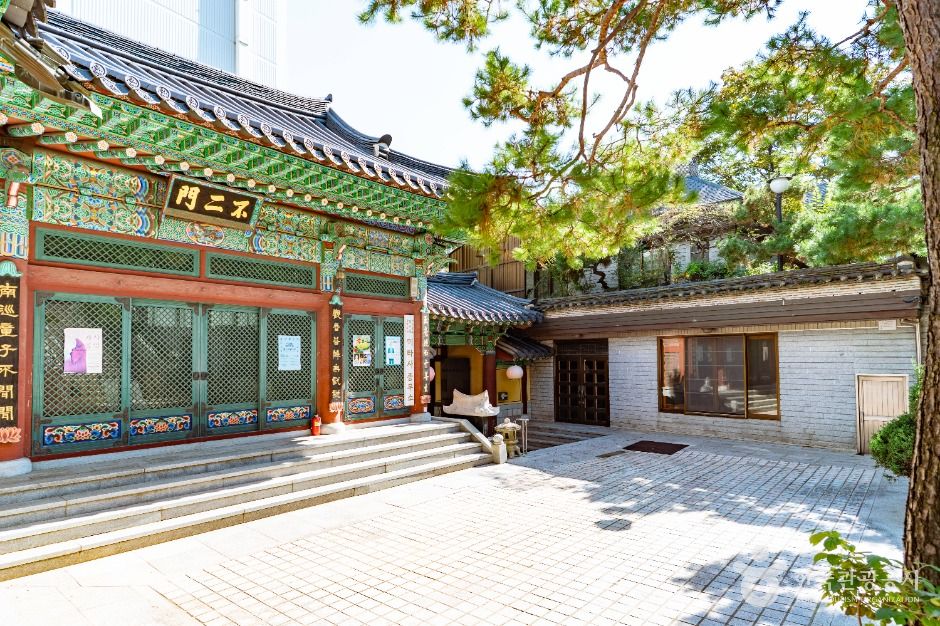
Amidst the noise of the bustling city, do you know there’s a place that quietly holds its own story, seemingly forgotten by time? A temple that, like whispering secrets of the past, reveals a quiet yet profound presence—this is Mitasa (Seongbuk). Located just a fence away from Bomunsa Temple, this place is more than just a temple; it’s a historical site that has embraced the aspirations and sorrows of countless people for over a thousand years.
In particular, Mitasa (Seongbuk), well-known as a training ground for Buddhist nuns and also called ‘Tapgol Seungbang’, holds traces as special as its name. From the mystery of the stone pagoda built during the Goryeo Dynasty to its poignant connection with the Joseon royal family, shall we embark on a journey into the charm of this tranquil temple where stories blossom at every step?
Forget the hustle and bustle of daily life for a moment and find your own meaningful time at Mitasa (Seongbuk), where past and present coexist.
Mitasa (Seongbuk), embracing a thousand years of tranquility: Its beginning and meaning
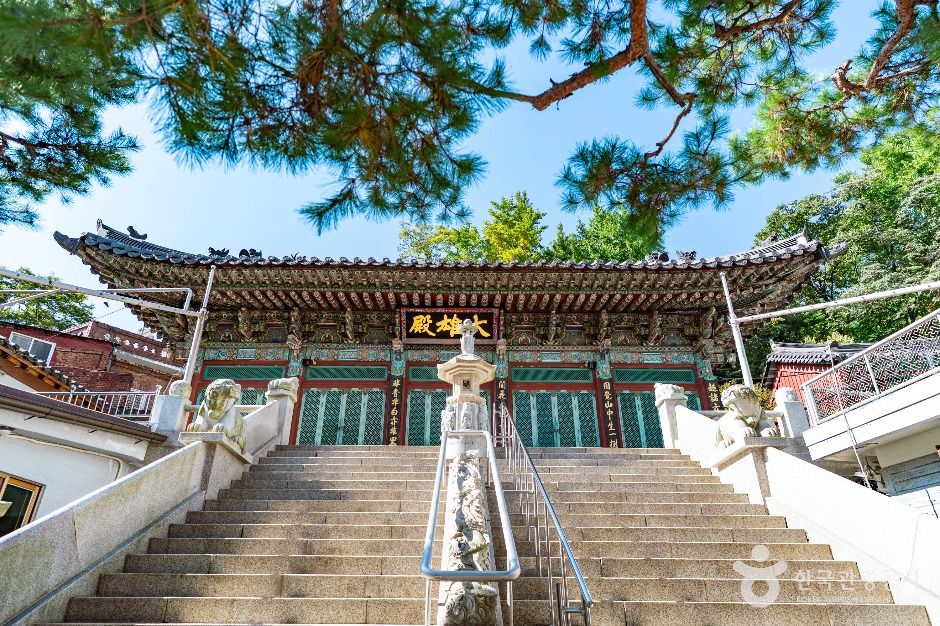
The Mitasa (Seongbuk) we encounter today is said to have been first founded in 950 by Hyegeogeuksa. This temple, which has stood in the same spot for well over a thousand years, established itself as a residence for Buddhist nuns from its early days, serving as a spiritual sanctuary for female practitioners. In particular, Mitasa came to be known by the nickname ‘Tapgol Seungbang’ when its stone pagoda was built in 1047, which became an important symbol of the temple and a benchmark throughout its history.
Why did it become a space for Buddhist nuns?
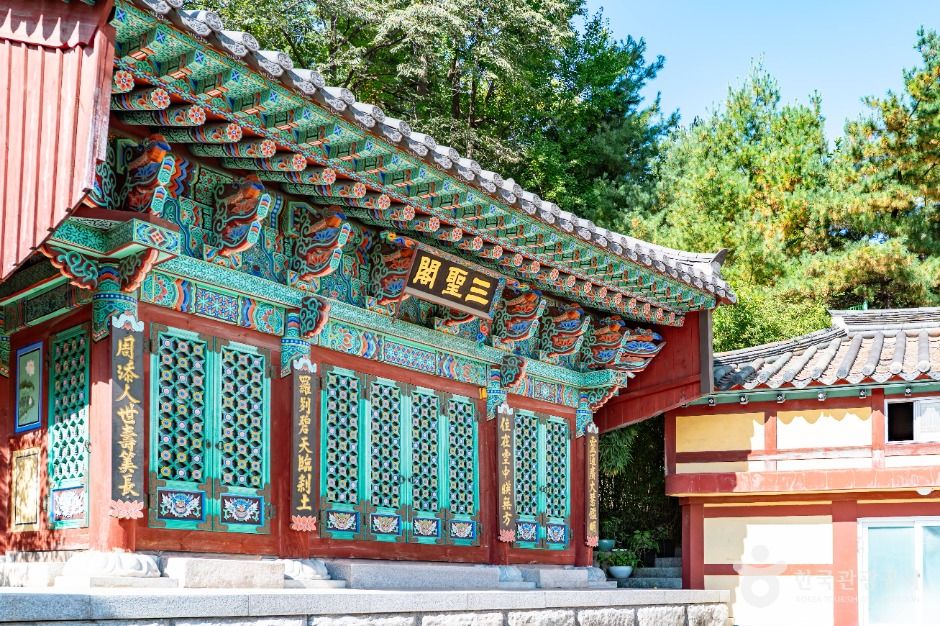
- Historical Background It is presumed that during the late Silla and early Goryeo periods, when Buddhism flourished, the need for an independent space for female practitioners emerged.
- Spiritual Support For women seeking to lead a strict ascetic and religious life, Mitasa was more than just a dwelling; it was a space to strengthen their firm resolve toward enlightenment.
- Origin of Tapgol Seungbang After the construction of the stone pagoda within the temple, the tradition of practice centered around the pagoda was further strengthened, deeply embedding itself in the training culture of Buddhist nuns.
A witness gazing at time: The secret of Mitasa (Seongbuk) Yukcheungseoktap
The Yukcheungseoktap, quietly situated on the hill to the left of Danhagak behind the Daeungjeon hall, is one of Mitasa (Seongbuk)‘s most special treasures. This stone pagoda is not merely an old stone tower; it fully encapsulates layers of time spanning from the Goryeo Dynasty to the Joseon Dynasty, stimulating the viewer’s imagination. According to the informational sign, the upper three tiers and the lower three tiers of this Yukcheungseoktap were built at different times.
A pagoda built together by Goryeo and Joseon
The lower three tiers of the stone pagoda are presumed to have been built during the Goryeo Dynasty, serving as valuable material that offers a glimpse into the stone pagoda style of that era. Subsequently, it appears to have been damaged over time, or new upper three tiers were added during the temple’s renovation. The fact that one pagoda showcases the architectural styles of two eras simultaneously is a unique charm of Mitasa Yukcheungseoktap. It presents a sense of wonder, as if stories from the past have been layered to reach the present.
| Category | Estimated Period | Features |
|---|---|---|
| Yukcheungseoktap Lower 3 Tiers | Goryeo Dynasty | Preservation of Goryeo Dynasty stone pagoda style, profound sculptural beauty |
| Yukcheungseoktap Upper 3 Tiers | Joseon Dynasty and Later | Later repairs or expansion, reflecting period changes |
A site imbued with royal sorrow: The poignant traces of Queen Jeongsun, King Danjong’s consort
The history of Mitasa (Seongbuk) goes beyond a mere cycle of founding and rebuilding; it is deeply intertwined with the sorrowful tales of the Joseon royal family. This temple, which was rebuilt in 131 by Hyegamguksa, was destined to be renovated once more in the Joseon Dynasty by Queen Jeongsun (Song clan), the consort of the unfortunate King Danjong. The renovation of Mitasa by Queen Jeongsun is accepted as a historical fact, to the extent that records of it remain in the 『Yeojidoseo』 compiled during King Yeongjo’s reign.
Queen Jeongsun, relying on the temple
After King Danjong was deposed by Sejo and met a tragic end, Queen Jeongsun built a thatched-roof house near Yeongdokyo outside Dongdaemun and lived there for the rest of her life. She sponsored several temples to honor her husband Danjong, who died unjustly, and the many officials who died following him; Mitasa (Seongbuk) was one of them. It seems that her sorrow and grief, having lost everything she enjoyed as a queen and forced to live a solitary life, permeate every corner of this temple.
Nearby attractions bearing the footsteps of Queen Jeongsun
- Dongmangbong The peak where Queen Jeongsun is said to have looked east while praying for the repose of King Danjong (near Mitasa).
- Jeongsun wanghu Samyo (private shrine) Spaces presumed to have unofficially enshrined King Danjong’s spirit tablet.
- Cheonggyecheon Yeongdokyo The place where King Danjong and Queen Jeongsun said their final goodbyes.
A tranquil resting place in the city: How to get to Mitasa (Seongbuk) and nearby attractions
Even within the bustling downtown Seoul, Mitasa (Seongbuk) retains a tranquility as if time has been forgotten. Although nestled deep within the residential area of Seongbuk-dong, it is easily accessible by both public transportation and private car. Especially, it’s convenient to visit in conjunction with other nearby temples such as Bomunsa and Gilsangsa, allowing for a deep experience of Seoul’s Buddhist culture and history in a single day.
Culture and gastronomy around Mitasa (Seongbuk)
After visiting Mitasa, explore the diverse charms of Seongbuk-dong. Cultural spaces and restaurants with a different atmosphere from the tranquil temple await you. Experience the charm of Seongbuk-dong, where tradition and modernity harmonize, with all your senses.
- Seongbuk-dong Gotaek (Traditional Houses) Stroll through tranquil hanok imbued with the traces of modern and contemporary literary figures and feel the scent of history.
- Choe Sunu Yetjip (Old House) The house where the presence of our art historian Choe Sunu lingers, offering a chance to appreciate the beauty of traditional Korean homes.
- Seongbuk-dong Cafe Street With many unique cafes and galleries, it’s a great place to relax or enjoy art.
- Gastronomic Experience From famous hanjeongsik restaurants to casual eateries, you can experience Seongbuk-dong’s gastronomy at various popular restaurants.
Tips for a more profound visit to Mitasa (Seongbuk)
Mitasa (Seongbuk) in Seongbuk-dong, Seoul, is a special place where you can find quiet moments for contemplation amidst the bustling city. To truly appreciate the meaning of a space imbued with a thousand years of history, rather than just passing scenery, it’s good to keep a few tips in mind. Give meaning to each step and open your heart to listen to the stories the temple tells.
Time to find yourself in tranquility
- Observe Temple Etiquette Please maintain a quiet atmosphere and observe basic temple etiquette, such as asking for permission before photographing Buddha statues or inside halls.
- Examine the Yukcheungseoktap Closely We recommend comparing the sculptural beauty of the upper and lower tiers from different eras and reflecting on their historical significance. It’s also a good idea to look for inscriptions around the stone pagoda.
- Connect with Nearby Historical Sites Visiting Dongmangbong, imbued with the stories of King Danjong and Queen Jeongsun, and the site of Jeongsun wanghu samyo, will double the emotional impact as you understand the historical context.
- Take Time for Meditation Close your eyes for a moment in the tranquil temple grounds and meditate. You can release the stress of city life and find true relaxation.
- Enjoy Seasonal Scenery Each season offers different charms, such as flowers in spring, green leaves in summer, autumn foliage in fall, and snowy landscapes in winter, so visiting according to your preferred season is also a good idea.
Frequently Asked Questions
Q1. What kind of history does Mitasa (Seongbuk) have?
Mitasa was founded in 950 by Hyegeogeuksa and was known as a training ground for Buddhist nuns and called ‘Tapgol Seungbang’. It has a deep history spanning over a thousand years, including the construction of its Yukcheungseoktap during the Goryeo Dynasty and its renovation by Queen Jeongsun, King Danjong’s consort, during the Joseon Dynasty.
Q2. Why is Mitasa Yukcheungseoktap special?
Mitasa Yukcheungseoktap is very high in historical and artistic value because the upper three tiers and the lower three tiers were built at different times, allowing visitors to see the architectural styles of both the Goryeo Dynasty and the Joseon Dynasty and later in one pagoda.
Q3. What is the relationship between Queen Jeongsun and Mitasa?
Queen Jeongsun (Song clan), King Danjong’s consort, after the tragic death of her husband King Danjong, renovated Mitasa, imbuing the temple with the royal family’s sorrowful story. It can be said that her sorrow and prayers permeate every corner of Mitasa.
Q4. What is the atmosphere of Mitasa (Seongbuk)?
Although located in the city center, it boasts a tranquil and serene atmosphere without any hustle and bustle. It is ideal for contemplation and meditation, and it is a calm training space where you can feel its historical depth.
Q5. Are there any nearby places worth visiting when I visit Mitasa?
Yes, near Mitasa, there are various attractions where you can enjoy culture and gastronomy, including other temples like Bomunsa and Gilsangsa, Seongbuk-dong Gotaek, Choe Sunu Yetjip, and Seongbuk-dong Cafe Street.