
History that disappeared and bloomed again, the fiery time of Geochang Yeongbinseowon


When a history that once disappeared begins to breathe vividly again, what kind of emotion do we feel? There is a place that rose again, unbroken, even amidst the darkness of the Japanese colonial period and the Decree to Abolish Confucian Academies that swept through like a giant wave. This is the story of Yeongbinsaweon in Geochang, Gyeongsangnam-do.
This is not just a mere building. It is a repository of history where the integrity of Joseon Confucian scholars and the fervent spirit of loyalty and filial piety of their descendants have continuously flowed through generations, and a monumental place symbolizing our nation’s resilience. Let’s trace back the tumultuous time from its beginning as Yeongcheonsa in 1744 until it received the new name Yeongbinsaweon in 1919.
Yeongbinsaweon, which has firmly held its ground despite facing the threat of extinction twice in the annals of history. It’s time to explore its hidden stories and the values we can feel today.
Gaining Two Lives: The Tumultuous History of Yeongbinsaweon
The history of Yeongbinsaweon began in 1744 at Yeongcheonsa, which honored six eminent scholars of the Dongnae Jeong clan: Jeong Gu, Jeong Jong, Jeong Pyo, Jeong Eung-du, Jeong Si-su, and Jeong Yeong-jin. This place, a cradle of contemporary Confucian spirit, served as an important axis of Confucian literati culture in the late Joseon period. However, in 1864, amidst the great historical upheaval of King Gojong’s Decree to Abolish Confucian Academies, it tragically lost its form. The function of the Confucian academy was suspended, and even its buildings were sadly dismantled.
A Spirit Reborn from the Ashes
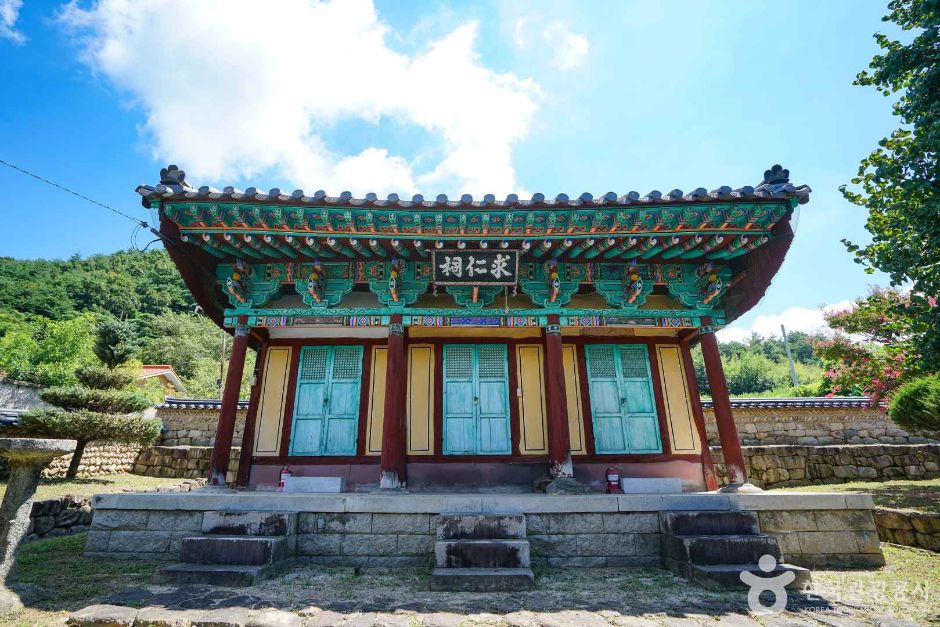
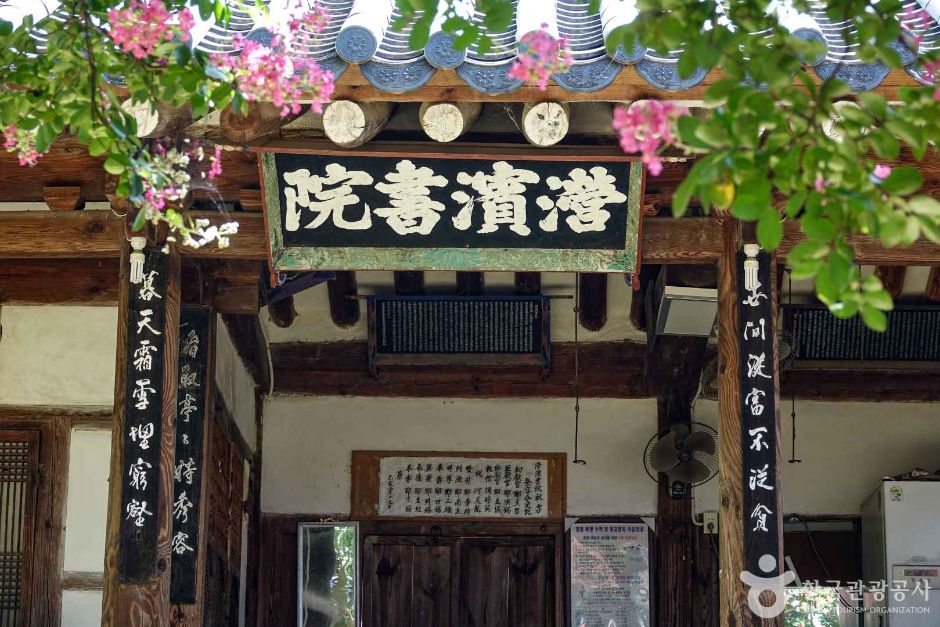
The spirit of the Confucian academy, which seemed to have vanished, shone even more brightly amidst the greater ordeal of the Japanese colonial period. In 1919, to awaken the spirit of integrity, loyalty, filial piety, and reverence among the people who had lost their nation, Confucian literati and descendants gathered their will to rebuild the Confucian academy on the former site of Yeongcheonsa and bestowed upon it the new name Yeongbinsaweon. This was a historical event that went beyond simply restoring a building; it embodied an earnest desire to protect the nation’s spiritual roots. Although there was another reconstruction in 1991, its floor plan and structural techniques still retain the architectural characteristics of the 1744 Yeongcheonsa from before the late Joseon period, allowing one to fully feel the traces of its old appearance.
- 1744 Founding of Yeongcheonsa, enshrining the six eminent scholars of the Dongnae Jeong clan.
- 1864 Dismantled due to King Gojong’s Decree to Abolish Confucian Academies.
- 1919 Reconstructed and renamed Yeongbinsaweon during the Japanese colonial period to inspire national spirit.
- 1951 Yukhyeonmyojeongbi re-erected in the lecture hall courtyard.
- 1991 Reconstructed into its current form, inheriting old architectural styles.
The Architectural Aesthetics Embedded in a Tranquil Site: Exploring Yeongbinsaweon
Yeongbinsaweon is situated facing west at the western foot of Ilsanbong Peak. It is impressive that, utilizing the characteristics of the terrain, the shrine area is placed at a higher elevation and the lecture hall area at a lower elevation, aligned on an east-west axis. This arrangement can be seen as an embodiment of the wisdom of our ancestors, who valued harmony with nature. The scenery of the Confucian academy, harmonizing with the tranquil mountain landscape, offers peace to visitors.
The Heart of the Confucian Academy: Guinsa Shrine and its Charm
Klook.com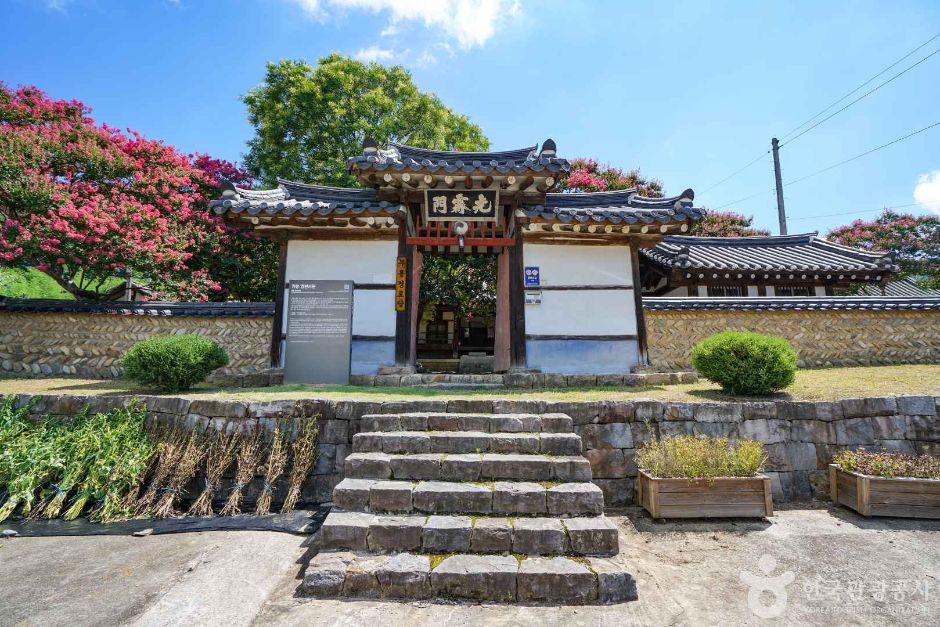
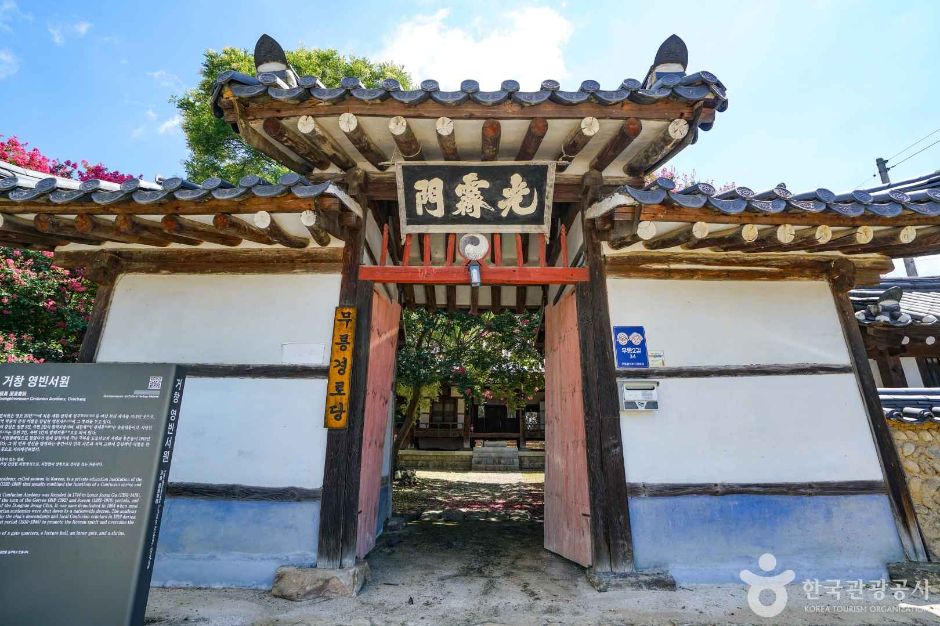
Guinsa Shrine, the most sacred space of the Confucian academy, is a gabled-roof building with double eaves, measuring three bays in front and 1.5 bays on the side. Its unique floor plan features a toetkan at the front and a tongkan marubang at the rear, along with gongpo (a structural element supporting the roof) arranged in a dapo style, which is characteristic. This inherits architectural techniques from before the late Joseon period, further enhancing the historical value of the Confucian academy. At the front of the shrine stands a three-bay naesamun (inner main gate), adding to its solemnity.
| Area Division | Main Buildings | Architectural Features |
|---|---|---|
| Lecture Hall Area | Lecture Hall, Yukhyeonmyojeongbi | Learning space, spiritual value amidst the simplicity of the floor plan |
| Shrine Area | Guinsa Shrine, Naesamun | 3 bays front, 1.5 bays side, gabled roof with double eaves, dapo style gongpo |
Tranquil Beauty to Feel While Strolling
- Naesamun Experience the transition into a solemn and sacred space through the main gate leading to Guinsa Shrine.
- Guinsa Shrine Observe the beauty of its dapo style gongpo and gabled roof with double eaves up close, and appreciate the delicate craftsmanship of late Joseon architectural style.
- Yukhyeonmyojeongbi This stele in the lecture hall courtyard commemorates the spirit of the six eminent scholars enshrined at Yeongbinsaweon, serving as an important symbol to reflect upon the meaning of the Confucian academy’s existence.
Getting to Yeongbinsaweon: Into the Nature of Geochang
Nestled in tranquil mountains, Yeongbinsaweon is perfect for those seeking true relaxation away from the bustling city, amidst nature and history. Access is more convenient by car, and the beautiful surrounding scenery makes for an excellent drive. When using public transportation, it is common to take a local bus or taxi from the Geochang Intercity Bus Terminal.
Location of Yeongbinsaweon
You can easily find Yeongbinsaweon using the map below.
- Address 20 Yeongbingil, Wicheon-myeon, Geochang-gun, Gyeongsangnam-do (Lot No.: Hwangsan-ri 598-1)
- Transportation If using a private car, enter the address into your navigation system. For public transportation, take a taxi or a bus towards Wicheon-myeon from Geochang Intercity Bus Terminal, then walk.
Enrich Your Visit to Yeongbinsaweon: Nearby Attractions and Tips
If you’re planning a visit to Yeongbinsaweon, we recommend exploring other charming places in nearby Geochang as well. Geochang offers a variety of attractions, from Gaya-era relics to historic Confucian academies of the Joseon Dynasty, and beautiful natural landscapes. Enjoy Geochang’s history and nature at your leisure with a one-day or two-day, one-night itinerary.
Must-Visit Nearby Attractions in Geochang
- Suseungdae A scenic spot boasting outstanding natural beauty, famous for summer water activities and picnics. It is also a cultural space where the Geochang International Theatre Festival is held.
- Geochang Gajoo Hot Springs A hot spring resort perfect for relieving travel fatigue, where you can recharge your body and mind with a hot spring bath.
- Hwangsan Goga Village A traditional hanok village adjacent to Yeongbinsaweon, offering a glimpse into old ways of life amidst a tranquil atmosphere. It’s a great place to visit along with the Confucian academy.
Points to Note and Recommended Tips for Visiting a Confucian Academy
- Attire As a Confucian academy is a solemn space, it is recommended to wear neat clothing rather than overly short or revealing attire.
- Visiting Hours Most Confucian academies can be freely visited without a separate admission fee, but visiting at dusk or early morning allows for a deeper appreciation of the quiet and beautiful scenery of the Confucian academy.
- Cultural Commentary Cultural commentary programs may be available depending on the Confucian academy, so please check the Geochang County Culture & Tourism website or similar before your visit. With commentary, the story of the Confucian academy becomes even more vivid.
- Litter As this is a place imbued with the breath of history, please make sure to take your trash with you or dispose of it in designated areas to help protect the environment.
Frequently Asked Questions
Q1. When was Yeongbinsaweon founded?
Yeongbinsaweon was first founded in 1744 as Yeongcheonsa, which enshrined six eminent scholars of the Dongnae Jeong clan. Its current name, Yeongbinsaweon, was adopted in 1919 when it was rebuilt during the Japanese colonial period.
Q2. Who founded Yeongbinsaweon, and whom does it enshrine?
Yeongbinsaweon was established by Confucian literati and descendants of the Dongnae Jeong clan, who united their efforts. It enshrines six eminent scholars of the Dongnae Jeong clan: Jeong Gu, Jeong Jong, Jeong Pyo, Jeong Eung-du, Jeong Si-su, and Jeong Yeong-jin.
Q3. What happened to Yeongbinsaweon during the Decree to Abolish Confucian Academies?
In 1864, according to King Gojong’s Decree to Abolish Confucian Academies, Yeongcheonsa, the predecessor of Yeongbinsaweon, was dismantled and disappeared. It was later rebuilt in 1919 and renamed Yeongbinsaweon.
Q4. What are the architectural features of Yeongbinsaweon?
Yeongbinsaweon features an east-west axial layout with the shrine area at a higher elevation and the lecture hall area at a lower elevation. Guinsa Shrine, the main shrine, has a gabled roof with double eaves, measuring three bays in front and 1.5 bays on the side, and the use of dapo style gongpo is characteristic of late Joseon architecture.
Q5. Are there any other places to visit near Yeongbinsaweon?
Yes, near Yeongbinsaweon, you can find Suseungdae, which boasts beautiful natural scenery; Gajoo Hot Springs, a hot spring resort; and Hwangsan Goga Village, a tranquil traditional hanok village, all of which are great to visit together.
 Love Korea? Promote it & Earn.